




Commentary
Digbeth’s turning point will be written in what we choose to keep
Digbeth is having its moment. HS2 Curzon Street is rising just up the road, Smithfield breaks ground later this year, and the eyes of investors, tenants and residents are turning towards a corner of Birmingham that has spent decades being talked about but rarely delivered upon, writes George Isles of BWB Consulting.
For those of us who work in the mechanics of putting buildings back to work, this is not just a story about new floorplates. It is a story about how the city exploits the assets already here.
A proof of concept in steel and brick
The redevelopment of the former Typhoo Tea Factory offers a useful lens on that question. When the finished 84,000 sq ft building opens as the BBC’s new regional broadcast home in 2027, it will look crisp, contemporary and quietly confident. What will be less visible is that around 70% of the original steel frame remains in place, that the historic façade has been retained and given decades of additional life through a cathodic protection system, and that a whole additional storey now sits comfortably on top of a 100-year-old structure.
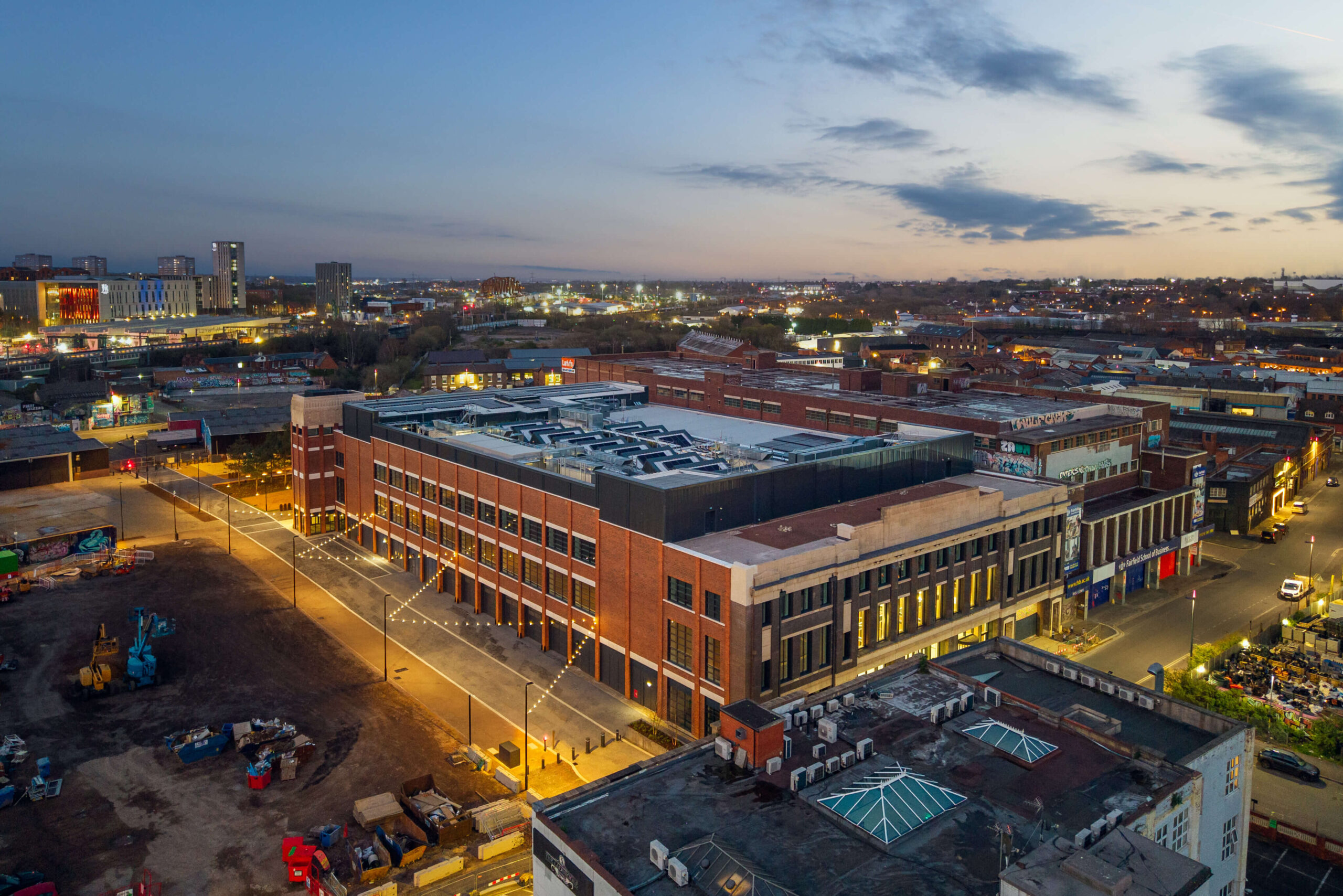
BBC Tea Factory. Credit: Stoford Developments
Every one of those decisions was made because it was the smart engineering choice, not simply the sustainable one. And in a market where values are being squeezed, and clients are asking harder questions about viability, programme and embodied carbon, that distinction matters. Retention presents many more questions than answers at the outset, it requires experience, pragmatism and a collaborative approach to risk. But crucially it protects the heritage, the environment and the sense of place that makes somewhere like Digbeth commercially interesting in the first place.
Birmingham already knows how to do this
The city has form. Three Chamberlain Square opens its doors to Eversheds Sutherland next summer. Paradise continues to demonstrate that world-class Grade A can sit alongside heritage. And projects such as HSBC UK’s headquarters at Centenary Square have shown that even highly constrained city-centre sites, in that case, sitting directly over the Monument Lane rail tunnel, can accommodate real ambition without compromising the surrounding fabric.
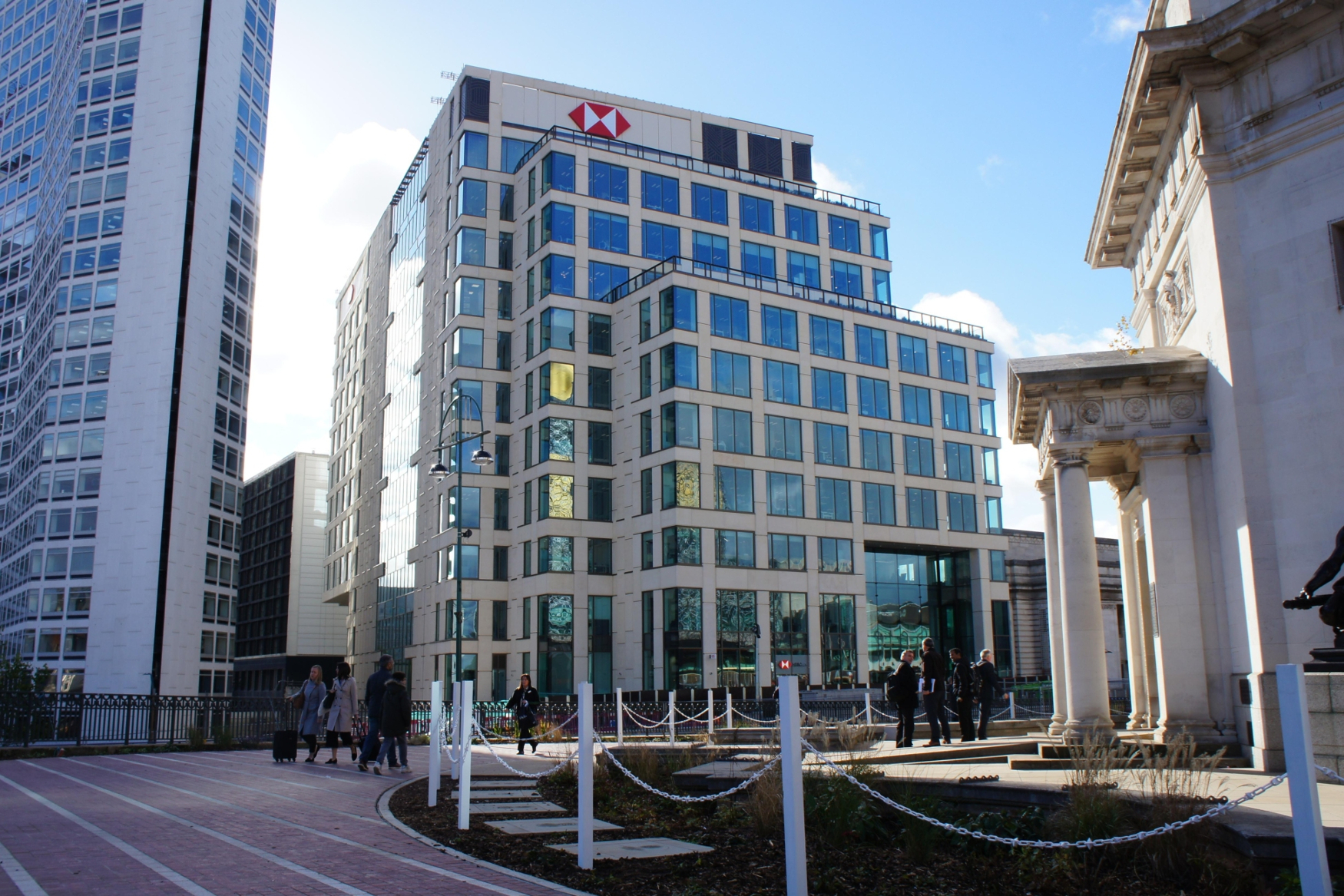
HSBC headquarters in Centenary Square. Credit: Galliford Try
Digbeth’s opportunity is to take those lessons and apply them at scale to a quarter defined by character rather than plate glass.
The next wave will be harder
Digbeth’s building stock is idiosyncratic: former factories, tanneries, mills and sheds, many with multiple generations of extensions bolted on, each built to different standards. There is no one-size-fits-all engineering solution. What is required is early, careful investigation, and the discipline to test what a building can actually give you before you decide what to change.
The approach to the engineering needs to be one led by knowledge and experience, not defined by a design guide. The big questions of ‘what was this building’ and ‘how did it behave’ need understanding and answering before the questions of ‘what condition is it in’ and ‘what load can it carry’ can be answered. Easy low-risk statements such ‘it’s at the end of its design life’ or ‘the levels of degradation and corrosion are unknown and inconsistent’ will lead to the inevitable loss of a building that still has so much to offer.
Asking more probing questions, investigating what the frame and foundations can carry and starting from a presumption of retention rather than demolition cannot just save the building but have a positive impact on cost, programme and carbon.
A signal for the quarter, not just a project
Get it right, and Digbeth’s next chapter can be a national exemplar of how post-industrial regeneration is done: modern, commercially credible, but rooted in the streets and buildings that made the place worth investing in.
Get it wrong, and we will look back in a decade on a lot of demolished heritage and a lot of new-build that could have been anywhere.
The Tea Factory has quietly become more than a broadcast centre. It kickstarts the regeneration of a quarter that has been waiting for a signal that its history is an asset, not a liability.
The buildings Birmingham chooses to keep will tell that story.
- George Isles is director of the property division at BWB Consulting

Interesting article, George, thank you – and I very much agree. You have doubtless heard of the Bordesley Chords proposals out for consultation which, if carried out as proposed, will wipe out heritage wholesale (as well as local business) along the viaduct. Our freehold Victorian building The Warehouse, which we have owned and carefully restored over five decades, with five decades of activist cultural heritage too, is one of several that is proposed for demolition, and the old viaduct itself would no longer be visible. There must be a better way and we’re looking forward to working with MRHA to identify it.
By Karen Leach