



Number of Midlands firms in trouble increases by 10%
More than 22,000 Midlands construction and property firms were in significant financial distress during the second quarter of 2026, according to figures from advisory group BTG.
The group’s latest Red Flag Alert report showed the property sector had some of the highest numbers of businesses in both ‘critical’ and ‘significant’ financial distress, contributing to a 10% year-on-year increase in the number of Midlands firms running into trouble overall.
Across the entire Midlands, among the sectors with the most businesses in “significant” financial distress were real estate and property, which saw a jump of 7.4% to 10,893.
The number of construction firms in significant distress remained high at 11,996, despite a drop of 2.2% against the same period last year.
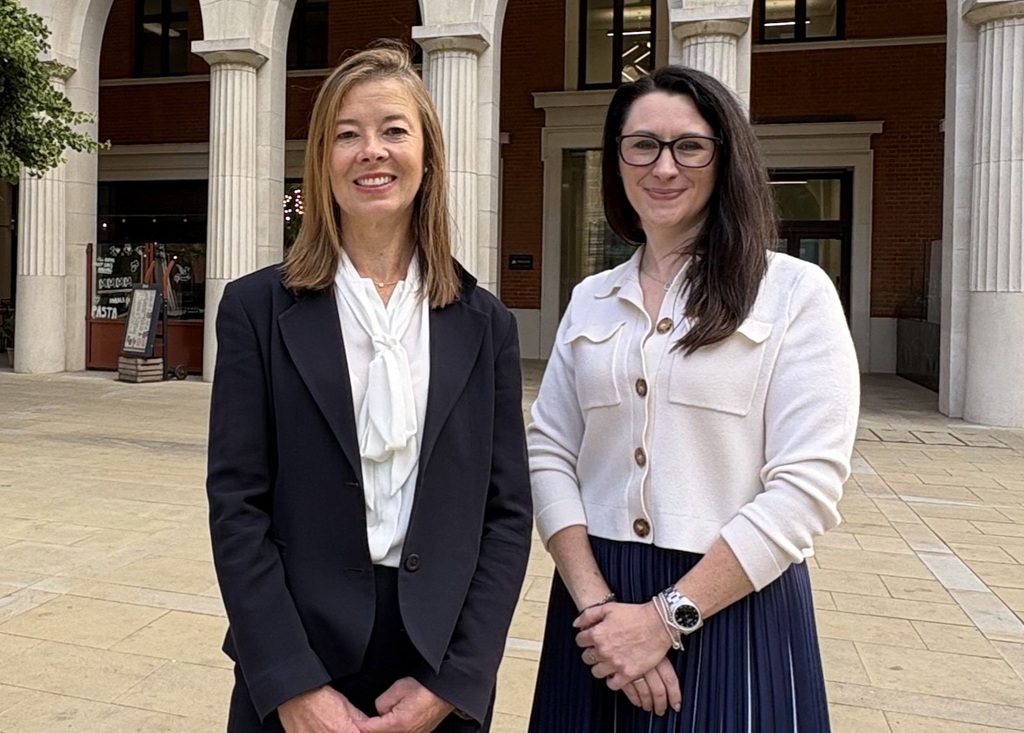
Julie Palmer, managing partner at BTG, said the figures showed that issues such as planning delays, regulatory challenges, and high borrowing costs were taking their toll on the region’s property and construction sectors.
“We are in an environment where the longer companies or developments are left exposed to the market forces, the more we are seeing firms or schemes become insolvent,” she said.
“If we are to navigate towards recovery in real estate, construction and the wider property market, the focus must fall on making borrowing more affordable and attractive to buyers, delivering housing in line with demand and budgets and bringing costs down for firms so that schemes can remain profitable. If the market remains stagnant for much longer, and uncertainty and low confidence continue to outstay their welcome, we could see more of the real estate firms already facing distress shutting up shop for good.”
Across all sectors, the financial and real estate advisory group’s research reported 6,301 Midlands firms in ‘critical’ financial distress, the most serious category. It also found 80,499 were in ‘significant’ financial distress.
Geographically, Derbyshire saw the largest percentage increase, with a 5.8% leap in the number of firms in significant trouble. Telford & Wrekin saw a 5.4% increase year-on-year, while Shropshire and Herefordshire’s numbers increase by 2.6% and 2.1% respectively.
Worcestershire saw the largest percentage drop in the region (-9.7% YoY, Q2 2026 – 2,451), while Nottinghamshire (-2%), Staffordshire (-4.1%), Leicestershire(-1.3%), and the West Midlands Region (-0.3%) all saw improving numbers.
“As we enter the second half of 2026, businesses across the Midlands will be hoping that the tides will be turning with the new government,” said Craig Povey, managing partner for the Midlands at BTG.
“With financial distress remaining high, firms are walking a tightrope, and any further increases to energy costs, inflation or interest rates could cause many to lose their balance. Unfortunately, as conditions stand, the UK is likely to face such increases in the next half of the year, and with confidence and spending already at rock bottom, resulting shockwaves will be felt across all industries in the Midlands.
“There may well be a collective holding of breath from businesses in the region as they hope for announcements of supportive policies from the Burnham government that can help troubled firms get through these difficult times and provide a platform for recovery and growth in the long term. However, as insolvency rates typically land later than increases economic distress, we could still see further increases in businesses collapsing well into 2027.”