


Claire Ward offers backing for East Midlands ‘tourism tax’
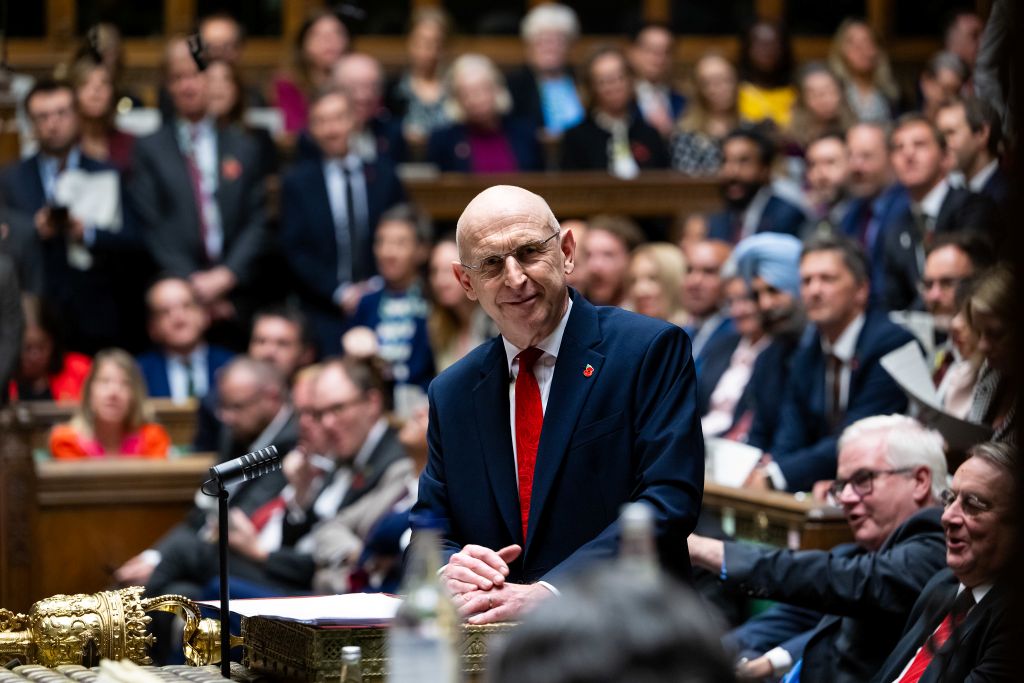
Government proposals allowing regional mayors to charge an overnight visitor levy have been brought to the House of Commons, part of further moves toward fiscal devolution.
The scheme would see a charge added to accommodation bookings which could be retained by regional authorities, which would potentially allow them to invest in improving facilities for visitors, such as high streets, public toilets and parks, and destination promotion.
The Government says the move is part of plans to turbo-charge devolution to local leaders, giving them greater control over funding and investment decisions to help “unlock opportunities that have too often been overlooked by a Whitehall-led approach”.
The Visitor Levy Bill was introduced to Parliament today, but requires a second reading and Royal Assent before becoming law, which could be as early as 2027.
Visitor levies for individual regions would then be subject to local consultation before being introduced, most likely at 2028 at the earliest.
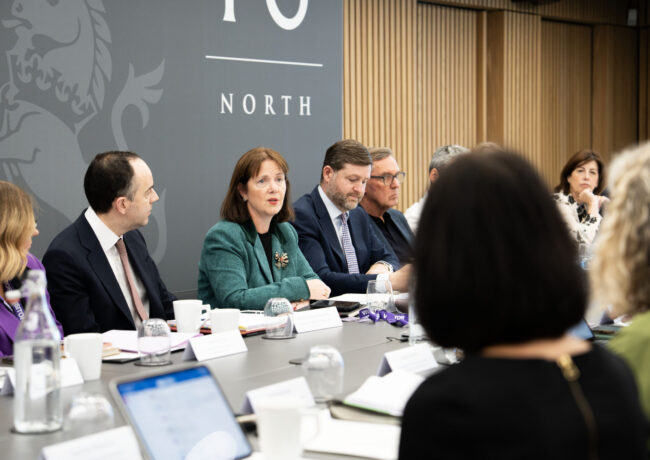
The move has attracted criticism from the hospitality industry – but was welcomed by both regional mayors in the Midlands, with East Midlands Mayor, Claire Ward, saying a potential tax on visitor stays would allow local communities to “share in the benefits” of regional tourism.
“An overnight visitor levy would give us the chance to put more money back into the places that make our region what it is. That means supporting our attractions and independent businesses, and helping our high streets and town centres attract even more people,” she said.
“It’s important that local people and businesses are part of this conversation from the start. There will be full consultation before a levy is introduced, giving people the opportunity to help shape how it works and where the money raised could make the biggest difference. Those who know their communities best should have a real say in how they benefit.”
In Greater Manchester, a £1 per room per night charge introduced through the Business Improvement District in 2023 raised £2.8m in its first year.
Meanwhile Richard Parker, Mayor of the West Midlands, said the move was evidence of the Government’s commitment to fiscal devolution, which he described as “a gamechanger”.
“More than 100 million people come to the West Midlands every year to enjoy our rich heritage, exciting entertainment venues and world-class sport and cultural events, and that supports 150,000 local jobs,” he said.
“I want our visitor economy to be able to keep raising its game with new and even more exciting reasons for people to keep coming here.”
Hotels and other accommodation providers will be responsible for accounting for and paying the levy, with student accommodation, care homes, children’s homes, and school boarding houses all deemed exempt from the scheme.
The UK’s Hospitality industry described the scheme as a “Holiday Tax”, and criticised the proposals for having no legal requirements to use funds raised to support hospitality, tourism and the visitor economy.
“Mayors will be able to introduce an uncapped holiday tax on Brits and then spend the funds on whatever they like, with no legal requirements to even use the funds to benefit hospitality,” said Allen Simpson, chief executive of UKHospitality, a body which represents tourism businesses.
“It’s genuinely shocking to see the Government bring forward legislation to hike the cost of a family holiday and risk 33,000 jobs, because that’s exactly what its Holiday Tax Bill will do.”