


Birmingham launches final consultation on 87,700-home local plan
Plans to build more than 87,000 homes in Birmingham over the next 15 years have moved closer, after the city council moved to publish the city’s emerging local plan for its final consultation.
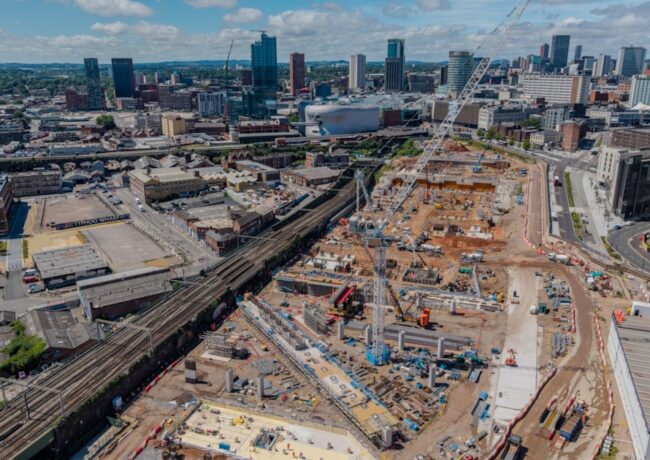
The city council says future development will be strongly focused on brownfield regeneration, higher density urban living, and the re-use of existing land and buildings.
A draft document published earlier this year identified sixteen ‘growth zones’ expected to accommodate the majority of new housing, employment, and regeneration in the city, with a housing target of at least 87,700 new homes over the plan period alongside a minimum ongoing 5-year supply of employment land of around 90 acres.
A tweaked version of the local plan will now go out for its final six-week consultation, a stage known as Regulation 19, following a vote to press ahead at a cabinet meeting held today (28 July).
The city council hopes to submit a finalised document to government for review in December.
Policies put forward under the plan require new development in the city to make best use of available land, deliver high standards of design, support active travel and public transport, and be accompanied by appropriate infrastructure, which it says should be funded through developer contributions where necessary.
However a previously identified shortfall of around 46,000 homes, planned to be met by neighbouring local authorities, has been dropped from the document after the government’s draft NPPF released in December 2024 reduced the estimated housing need in the city.
According to calculations carried out in May this year, the total housing need for Birmingham is now 87,700 dwellings, which includes a 5% buffer for “increased market flexibility”.
An over-arching development strategy for the city includes significant major housing schemes set to take place at Ladywood, Druids Heath, Pool Farm Estate, Poolway Shopping Centre (Meadway), Illeybrook Square (Woodgate Valley) and Bromford.
The council is under pressure to meet a “challenging” timetable for adoption of its draft local plan, a document which will set out how the city will develop up to 2044, and identifies sites for future housing, employment, and infrastructure development.
Following changes to the plan-making process for local authorities introduced by the government earlier this year, Birmingham has to submit up to date plan for inspection by the end of 2026, or risk having to start again under a new process.
The full latest local plan documents can be found on Birmingham City Council’s website.