



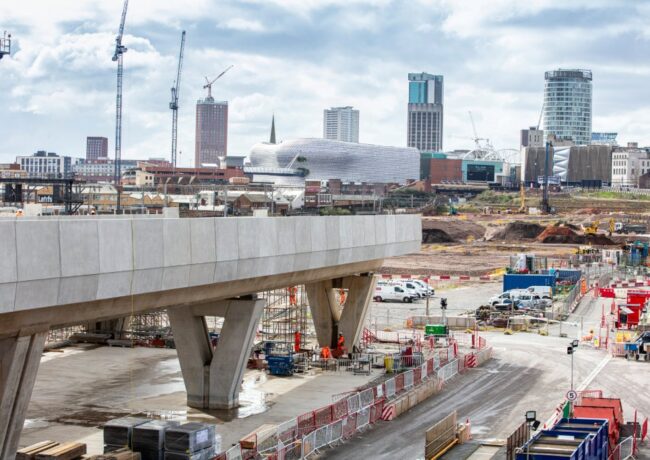
Govt: Final cost of HS2 could top £100bn
High-speed trains will not be running between Birmingham and Old Oak Common for at least another decade, transport secretary Heidi Alexander has announced.
In a statement to the house of commons, Alexander confirmed that the final estimates of the cost of the project have risen to between £87.7bn and £102.7bn – up from the original estimates of around £35bn – with the first trains not expected to run until 2036 at the earlier.
However, around two years after former Crossrail boss Mark Wild was appointed as HS2’s chief executive, the government says the right people are now in charge of the project – citing a number of construction milestones hit bit the scheme in the past twelve months as evidence of progress.
News that the high-speed link to the capital will not be open for another ten years will come as a blow to ambitions in the West Midlands, with the current government able to lay the blame for the project’s failures at the door of the previous administration, who Alexander accused of underestimation, inefficiency and “years of mismanagement”.
“I share [passengers] anger about the waste and mess, but I am proud that this government has worked with HS2’s new senior team to get this project off life support and on the road to recovery,” said Alexander.
“We will get the job done but we will also take every opportunity to save time and money in the process, getting a grip on delivery, controlling costs, and stripping out the complexity that’s plagued the project in the past.
“We can and must build big infrastructure projects in Britain. But we also need competent people in charge of them. This is the same team that delivered the Elizabeth Line. We have done it before, we will do it again.”
The government also confirmed earlier suggestions that the line will run more slowly than originally specified, a move which could save up to £2.5bn in the final project cost.
According to the original project specification, trains on HS2 would have run at 225mph – significantly faster than high-speed services in Europe such as the TGV and Italian Freccia’s.
The first trains are now expected to start between Old Oak Common in west London and Birmingham Curzon Street between 2036 and 2039. An estimate of the full scheme from London Euston to Curzon Street and a connection to the West Coast Main Line is now between 2040 and 2043.
Mark Wild, Chief Executive of HS2 Ltd, said he shared the disappointment of local communities at what he described as the “unwelcome news” of further delays, but he added that the project had now “turned a corner”.
Tunnelling works on the scheme are now complete, with several individual boring projects including the Bromford Tunnel in Birmingham completed ahead of schedule.
Work to link up the new railway terminus under construction at Curzon Street with the high-speed line via a series of five viaducts running into the city is also well under way.
“Resetting HS2 was the only way to regain control of the project,” he said.
“We have turned a corner in the last 12 months with significantly improved levels of productivity, helping us to deliver major milestones ahead of schedule.
“Driven by the hard work of 31,000 people on the ground, HS2 is finally getting back on track.”

Ask our chinese friends to supply the labour and materials
By Donald trump