


Event Summary
M-RES: Midlands Real Estate Summit | Summary and gallery
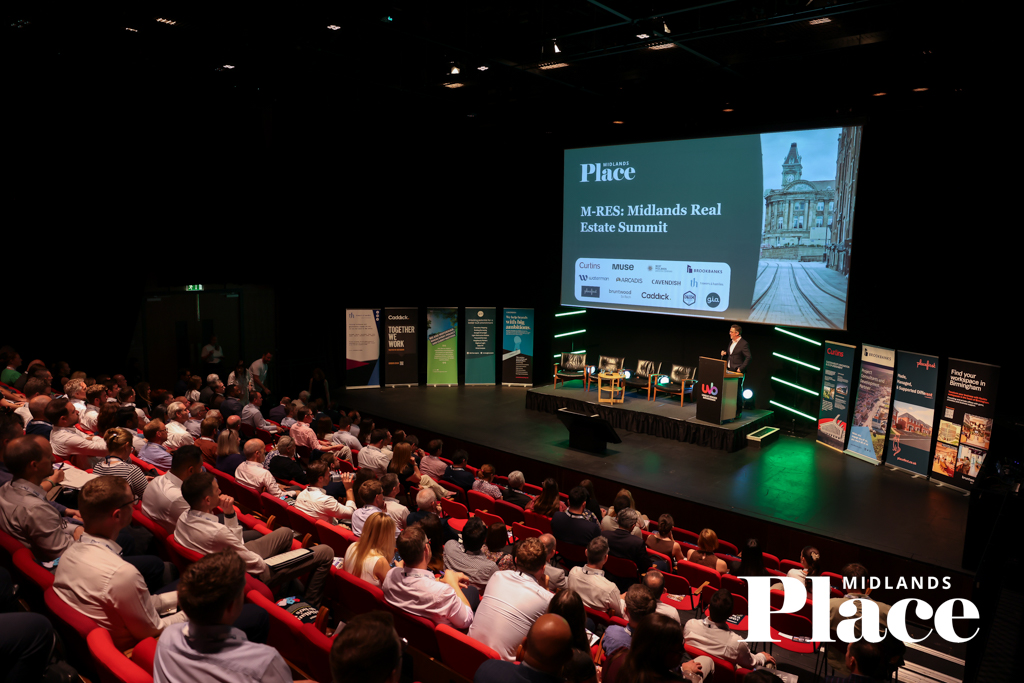
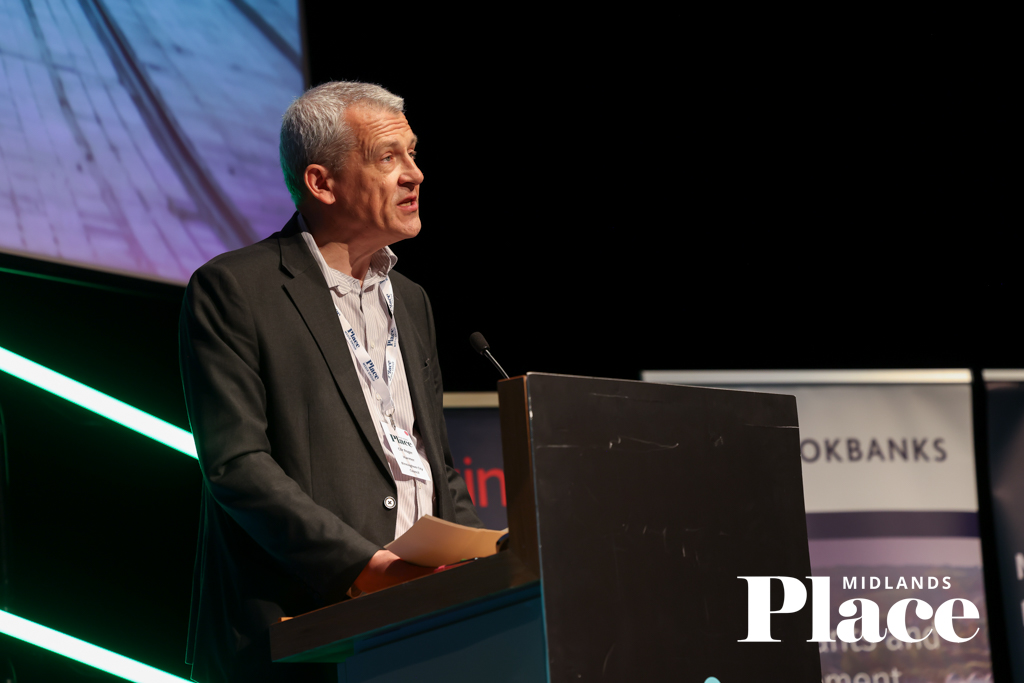
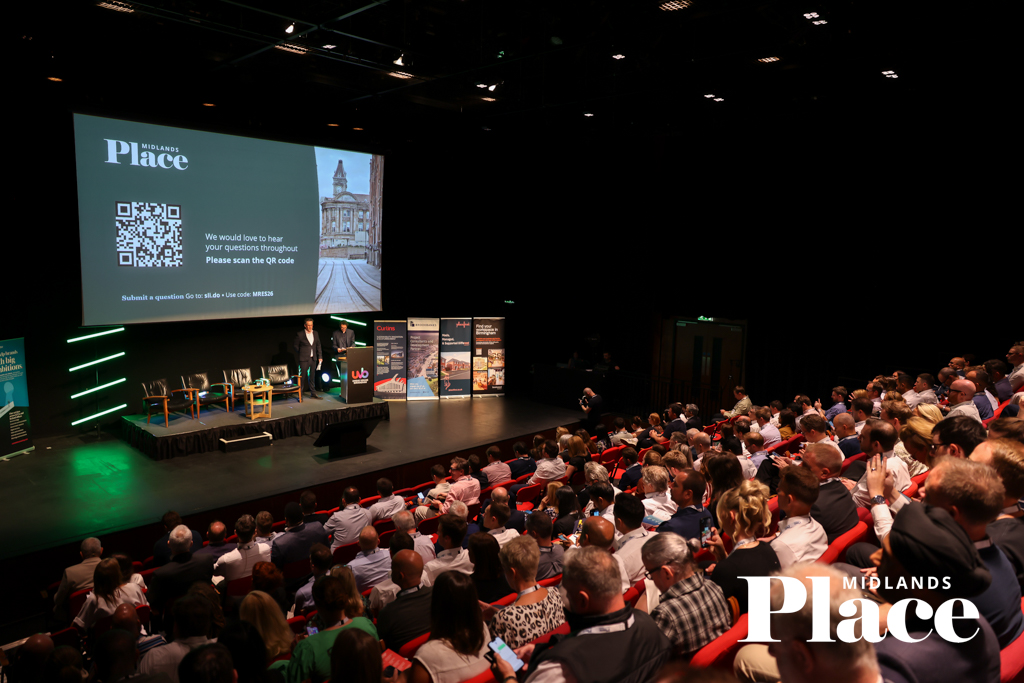
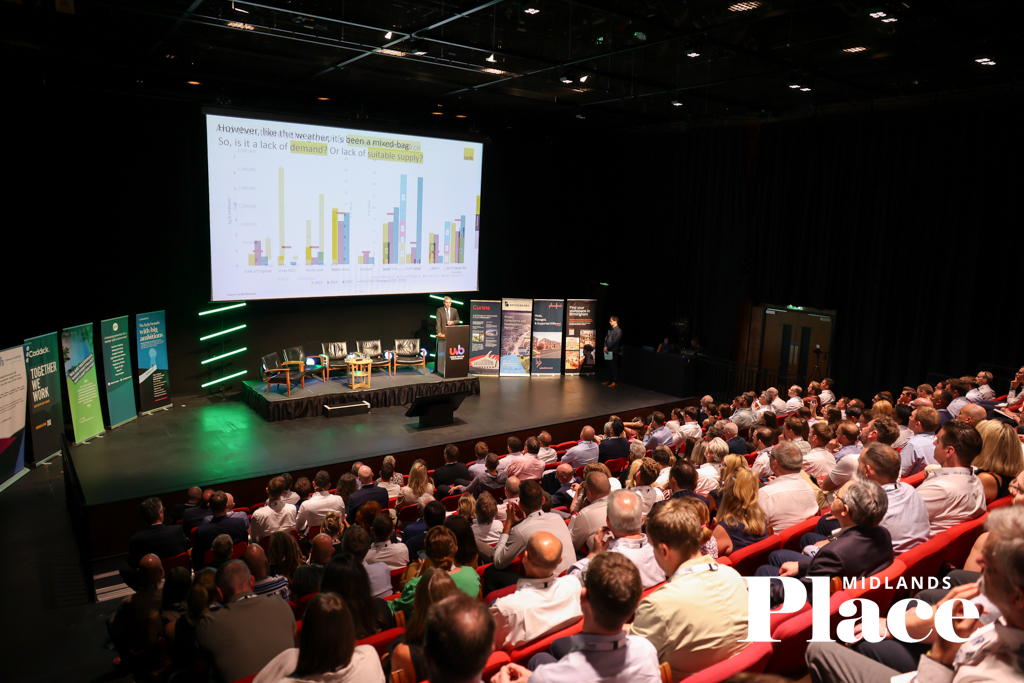
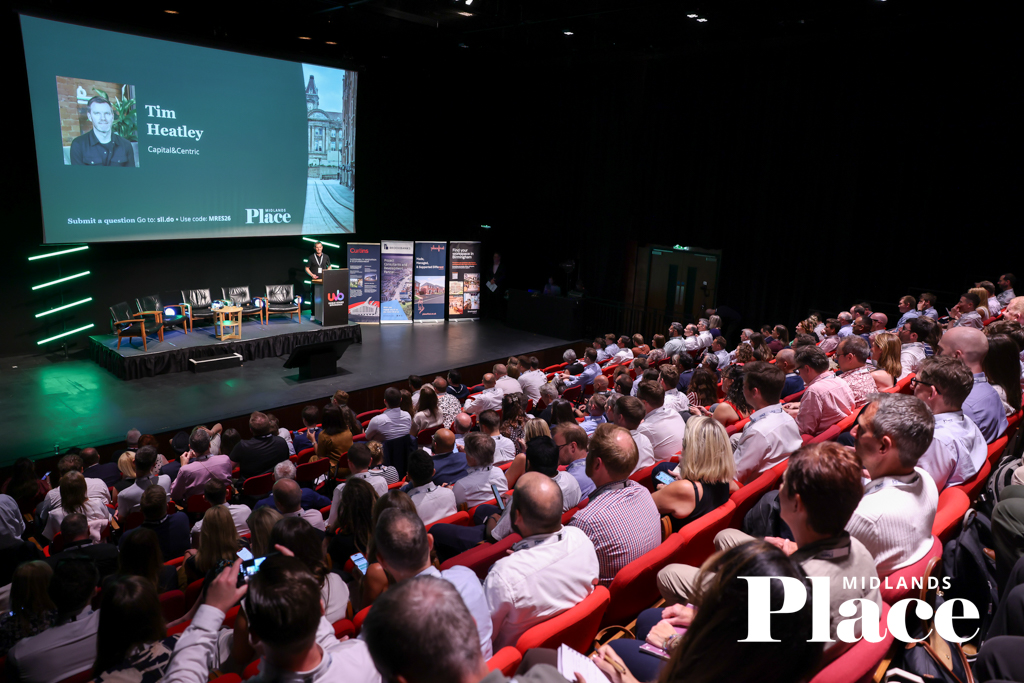
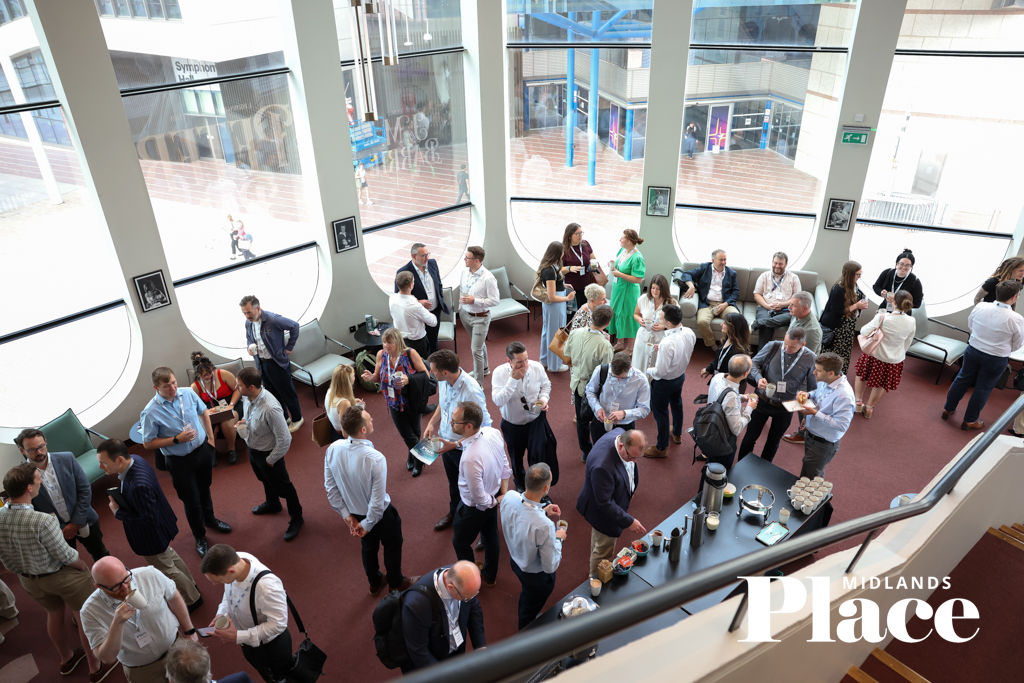
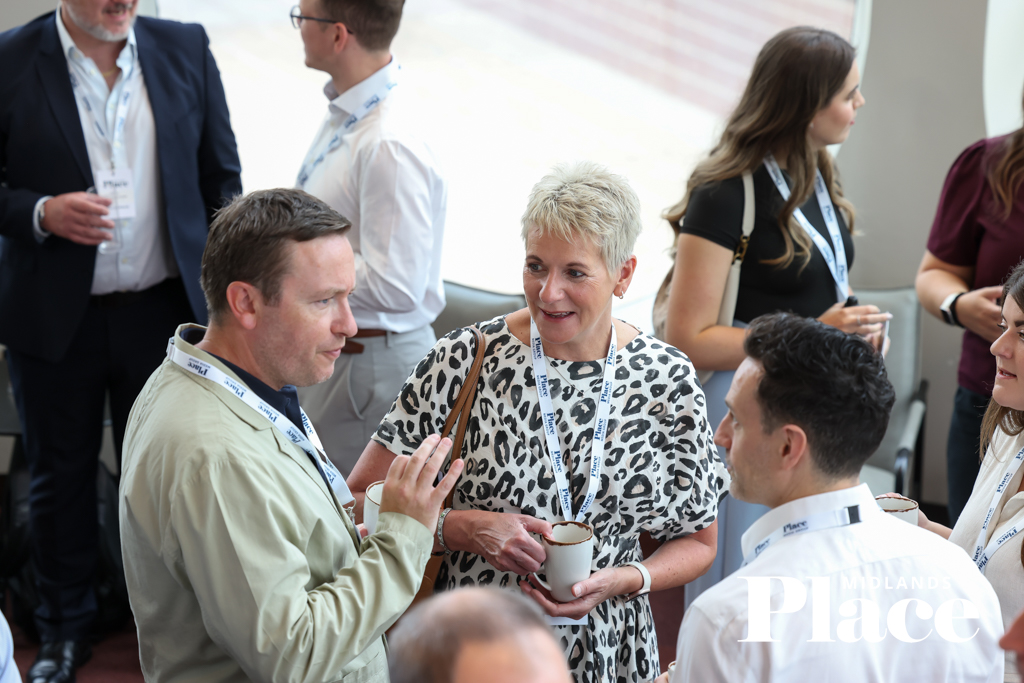
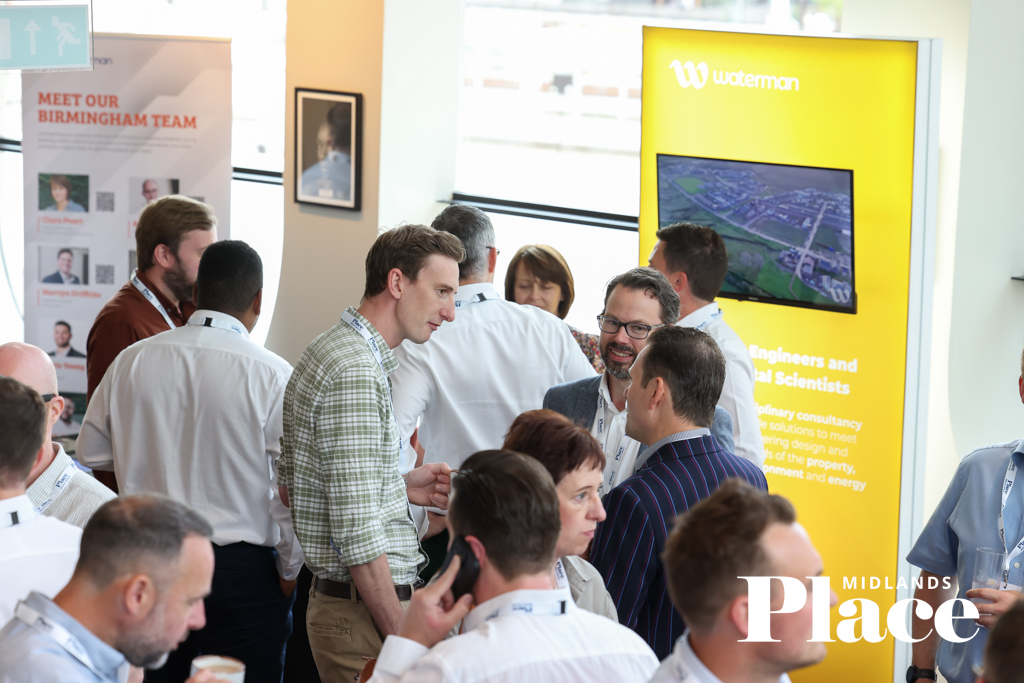
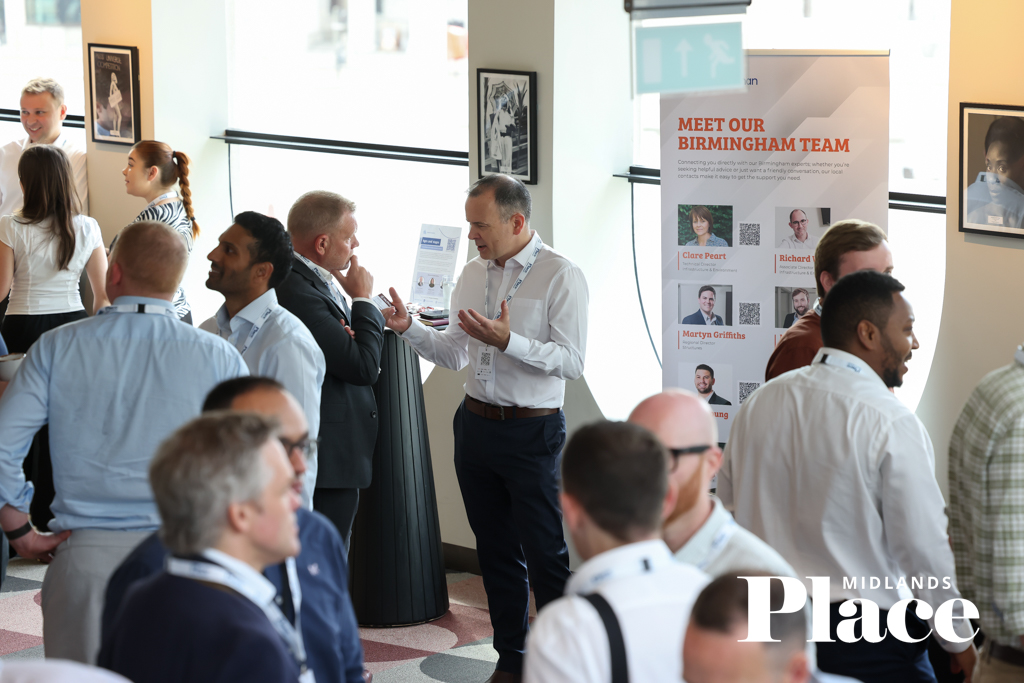
More than 250 delegates were in attendance for the first Place Midlands summit, discussing the key issues affecting the region’s property sector as temperatures soared in sun-soaked Birmingham.
Throughout the day, delegates heard from leading figures representing local government, developers, investors, consultants and occupiers, with keynote presentations and panel discussions examining topics including Birmingham’s growth agenda, the role of major infrastructure projects such as HS2, brownfield regeneration, industrial and logistics, and the evolving relationship between the public and private sectors.
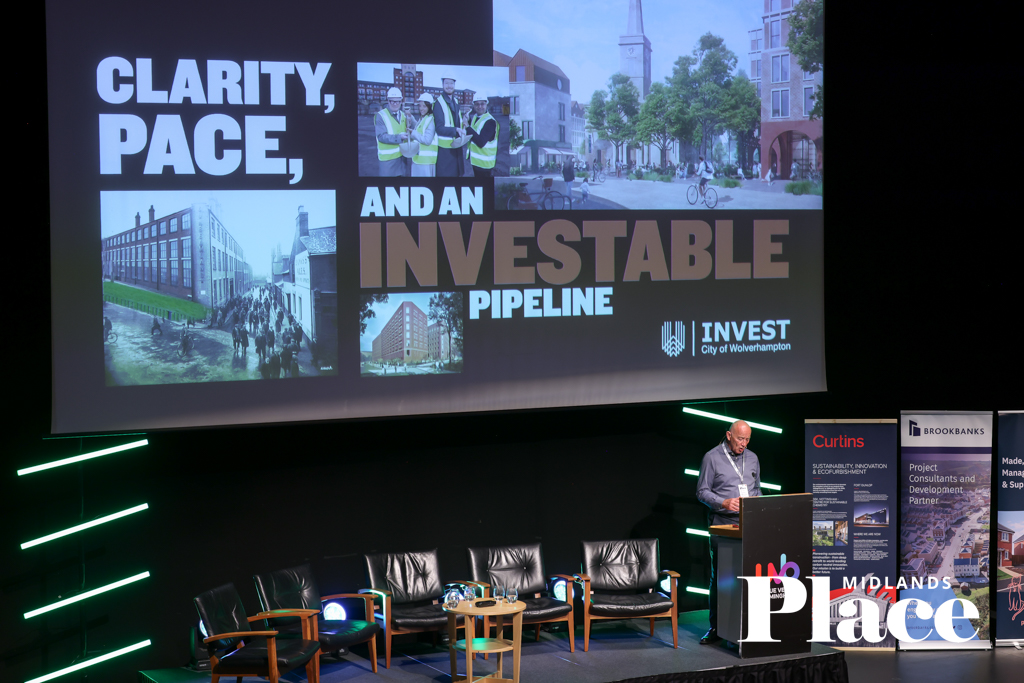
In regional hotspot pitches, City of Wolverhampton Council’s chief executive, Tim Johnson, laid out the emerging vision for Wolverhampton and the Black Country, while Coventry council’s interim director for economic growth, Steve Weir, gave an update on how schemes such as City Centre South were reshaping the city.
M-RES was held on Tuesday 23 June at The Rep, Birmingham.

The event was sponsored by: Muse, West Midlands Growth Company, Arcadis, Brookbanks, GIA, Waterman, Caddick Construction, Bruntwood SciTech, Placefirst, Curtins, Trowers & Hamlins, CTEC, and Cavendish.
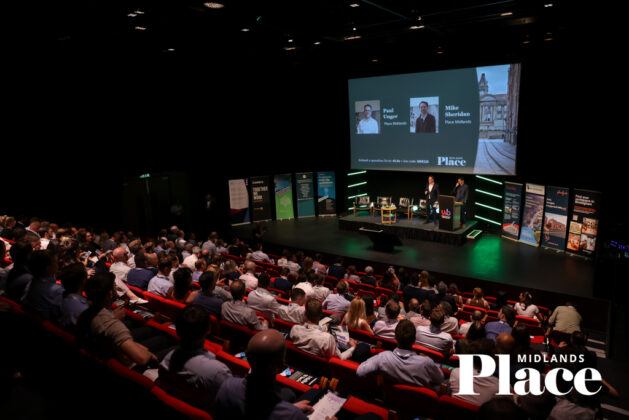
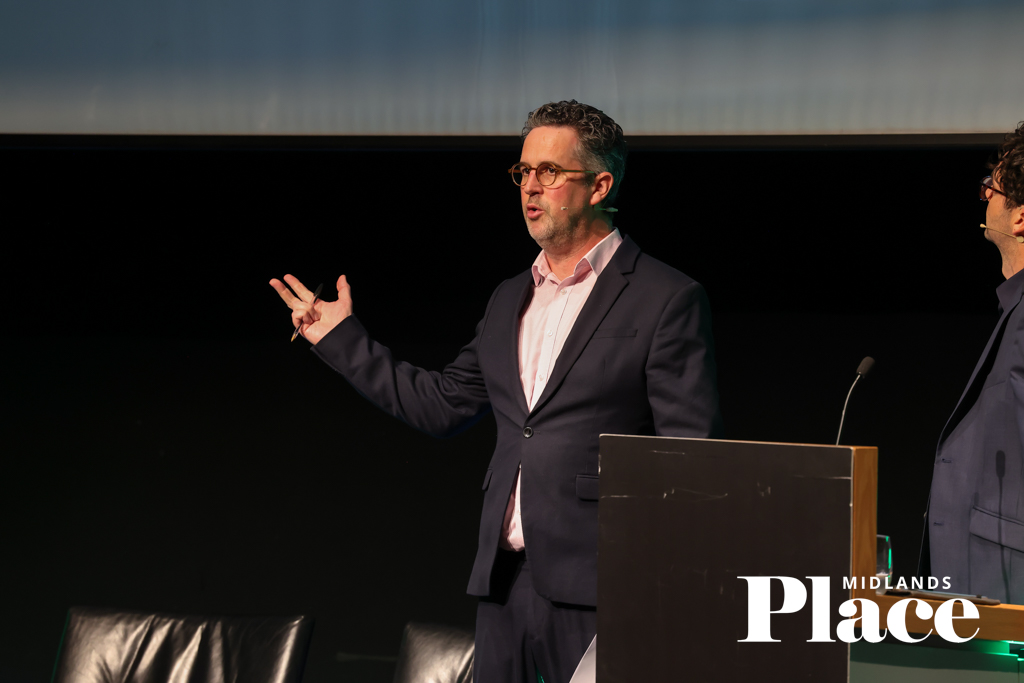
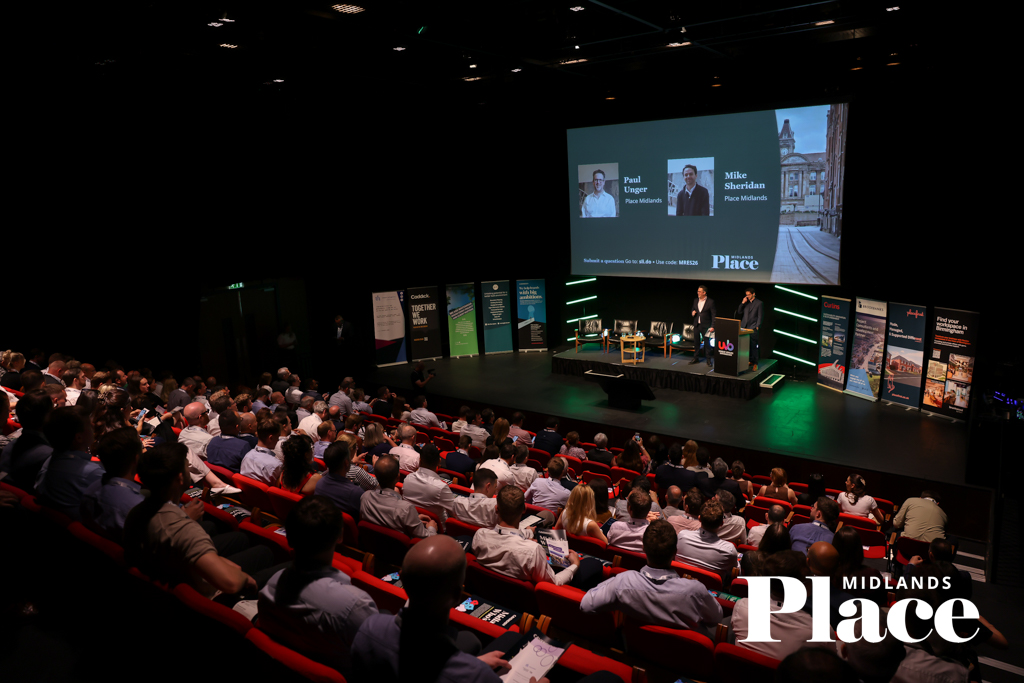
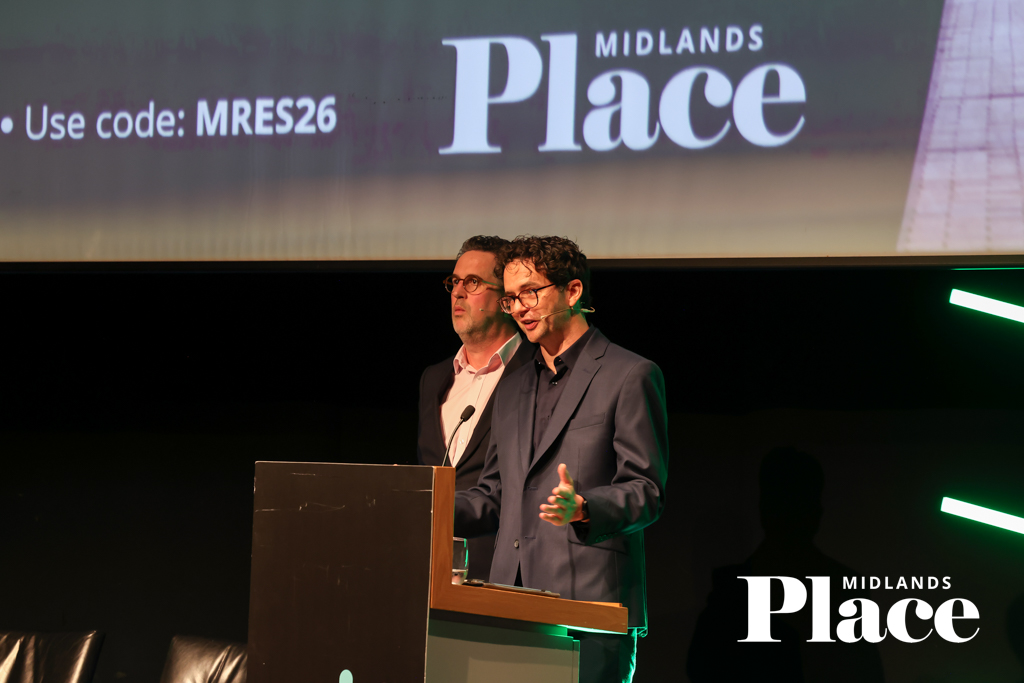
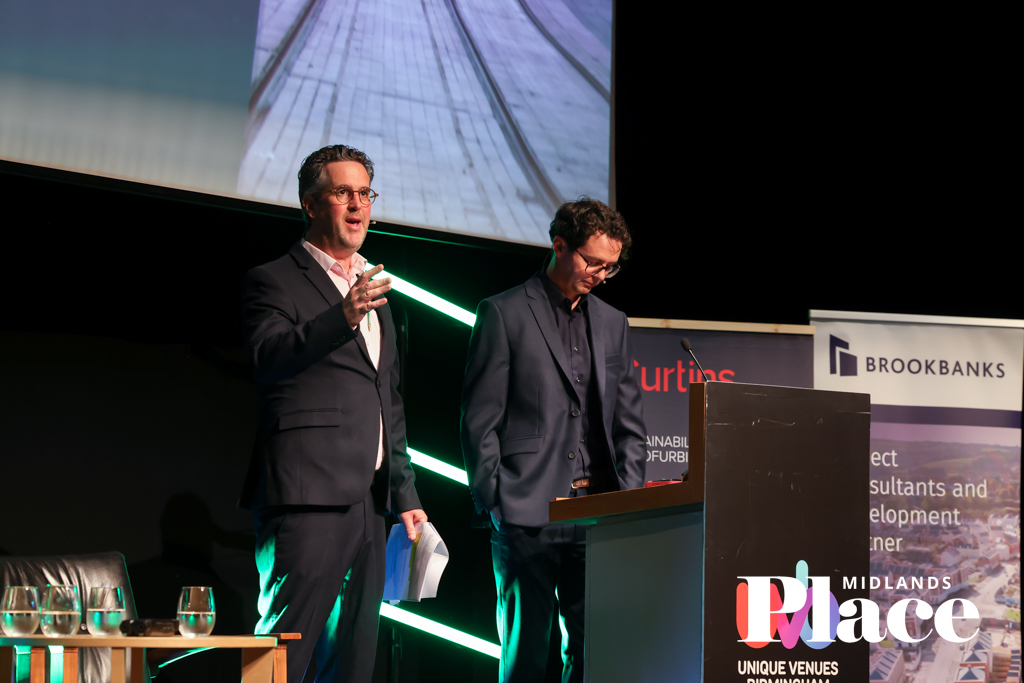
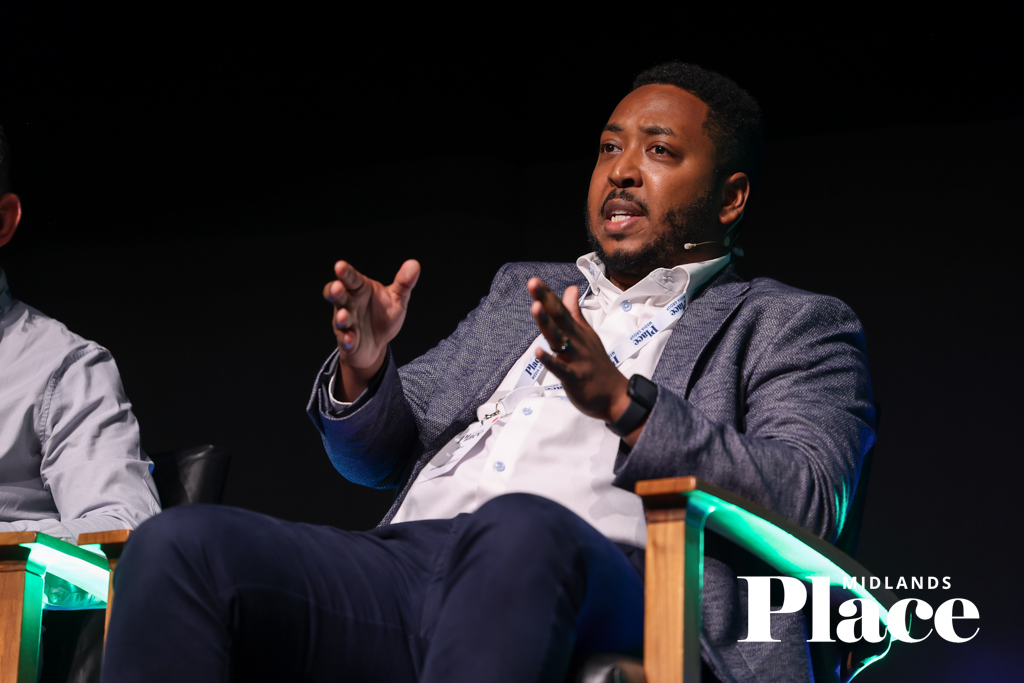
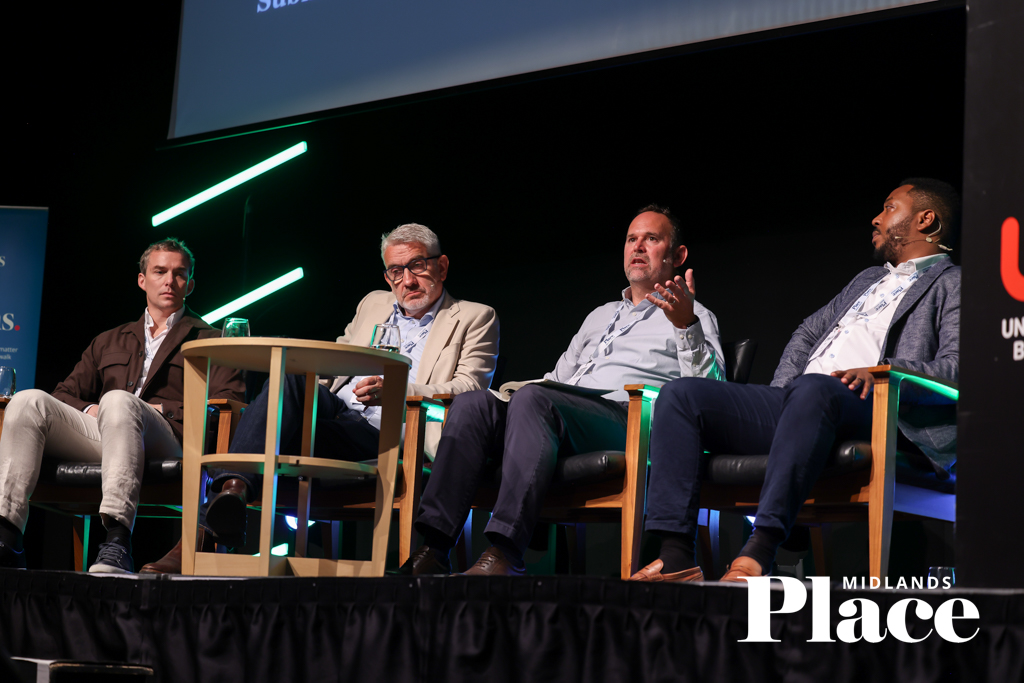
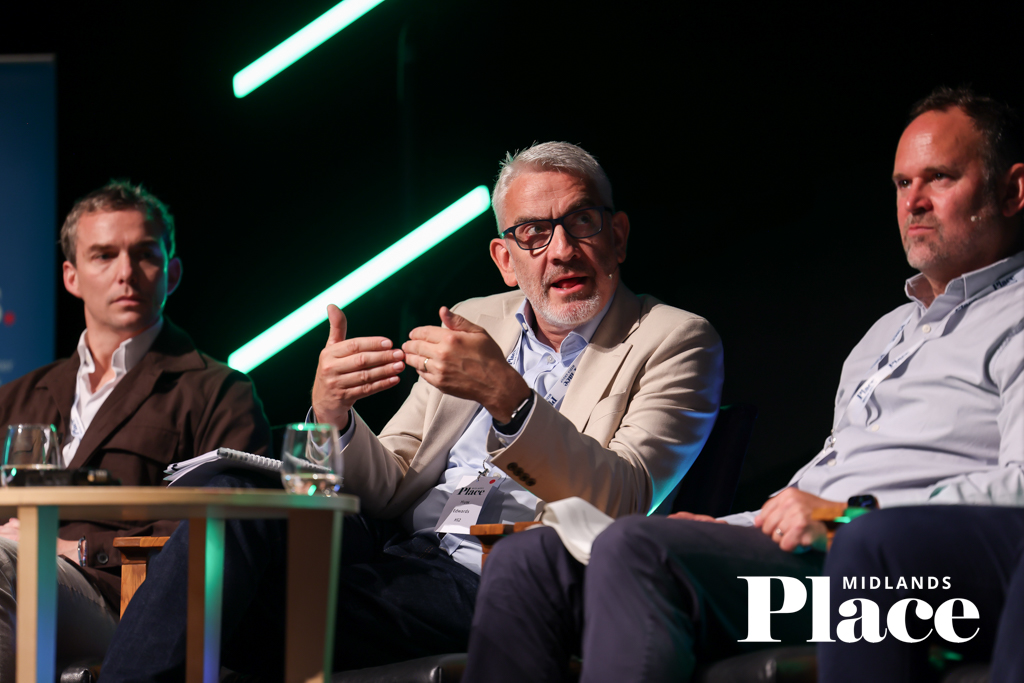
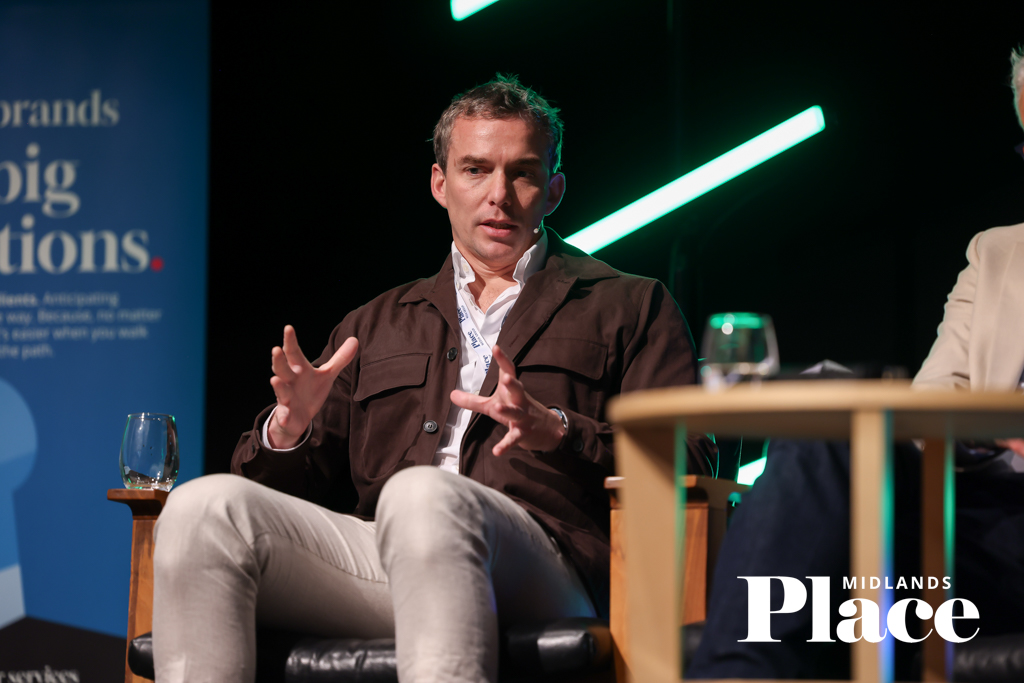
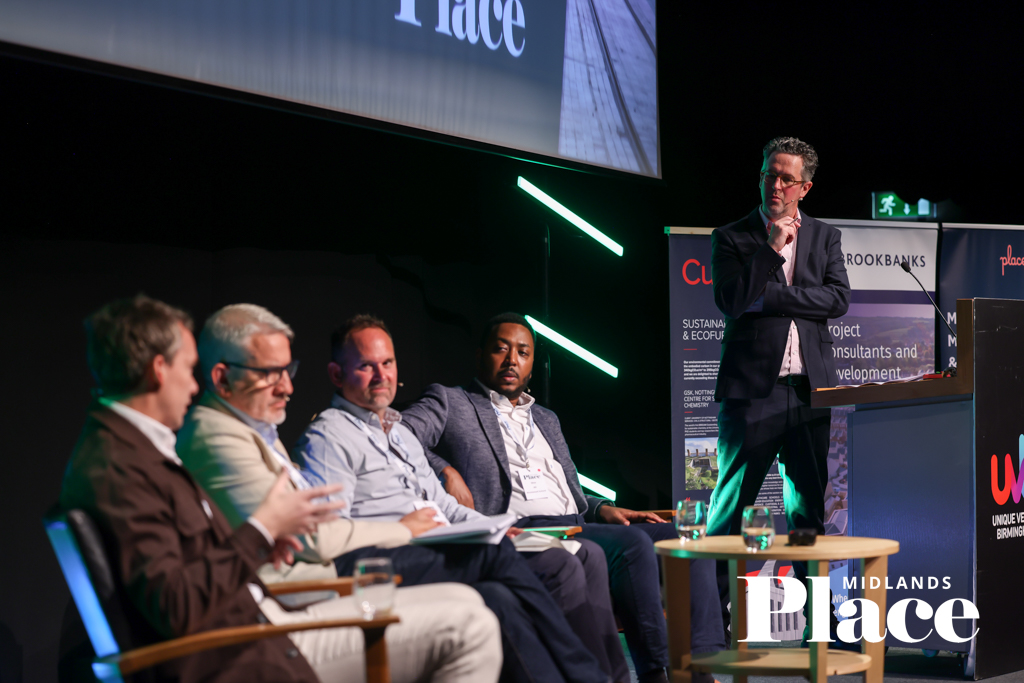
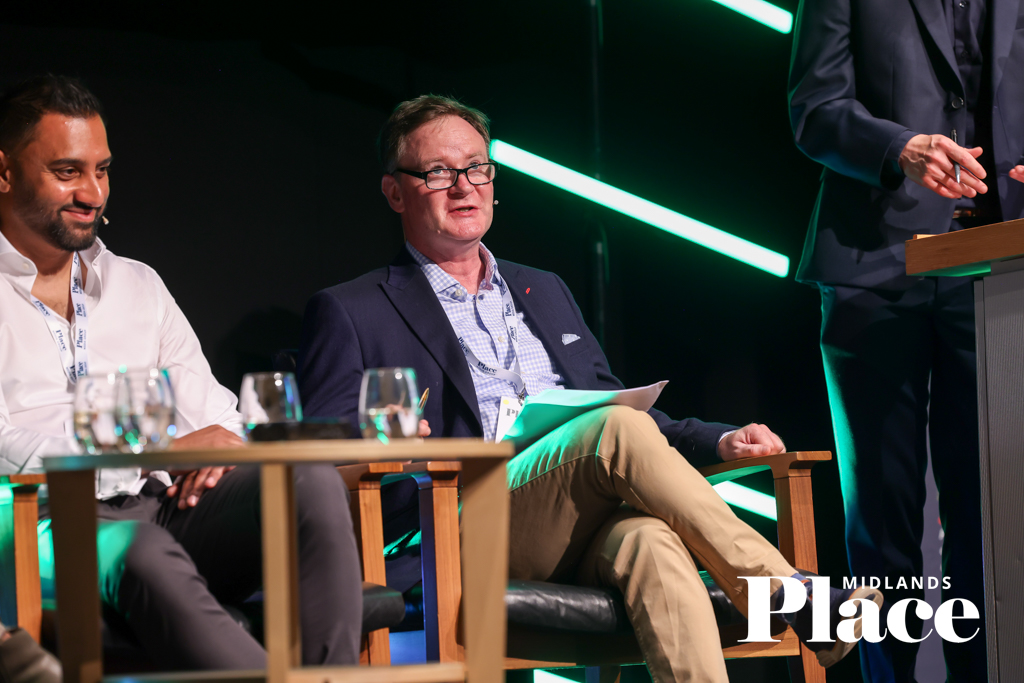
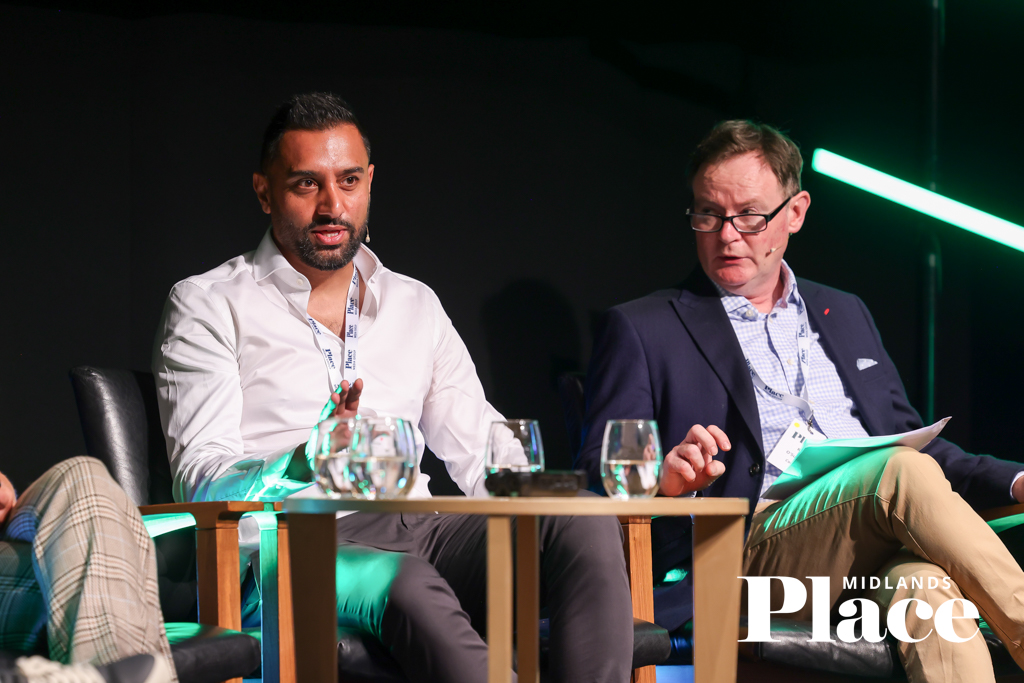
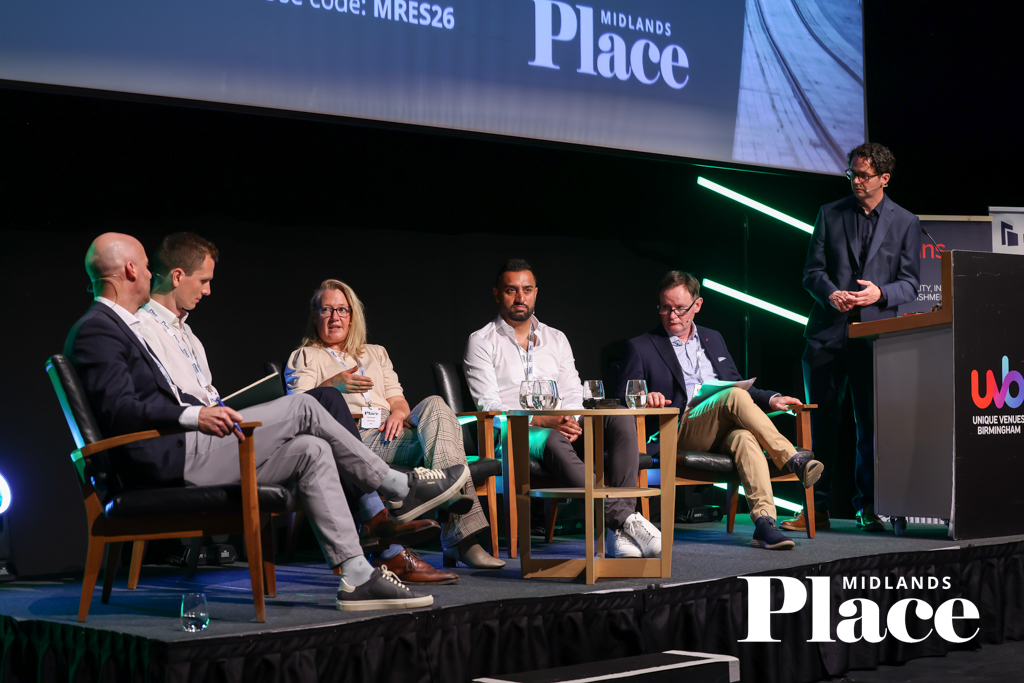
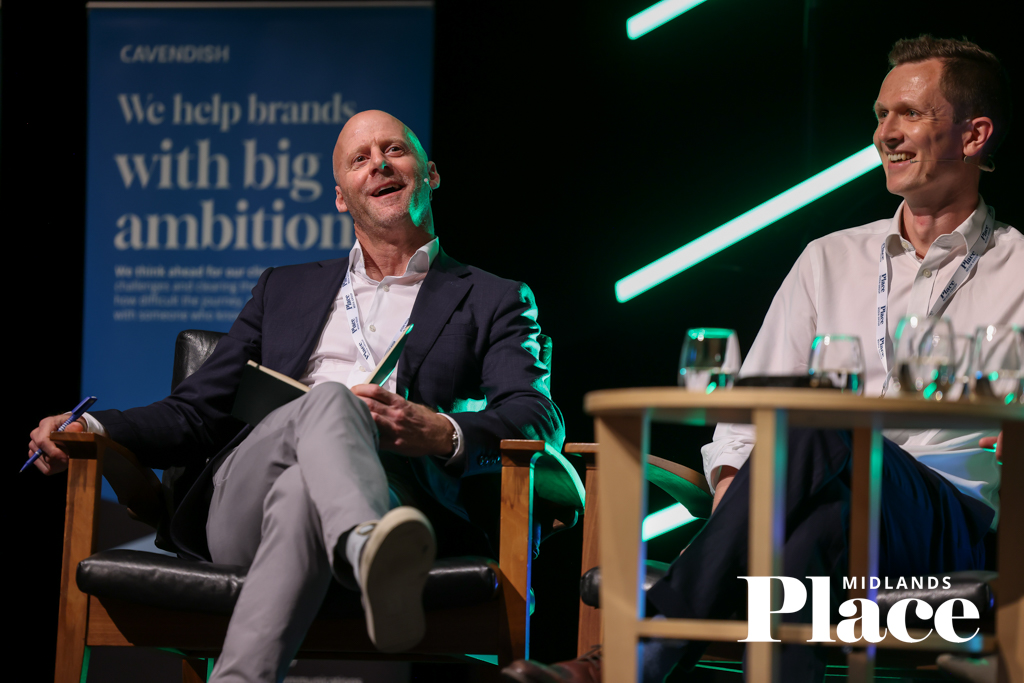
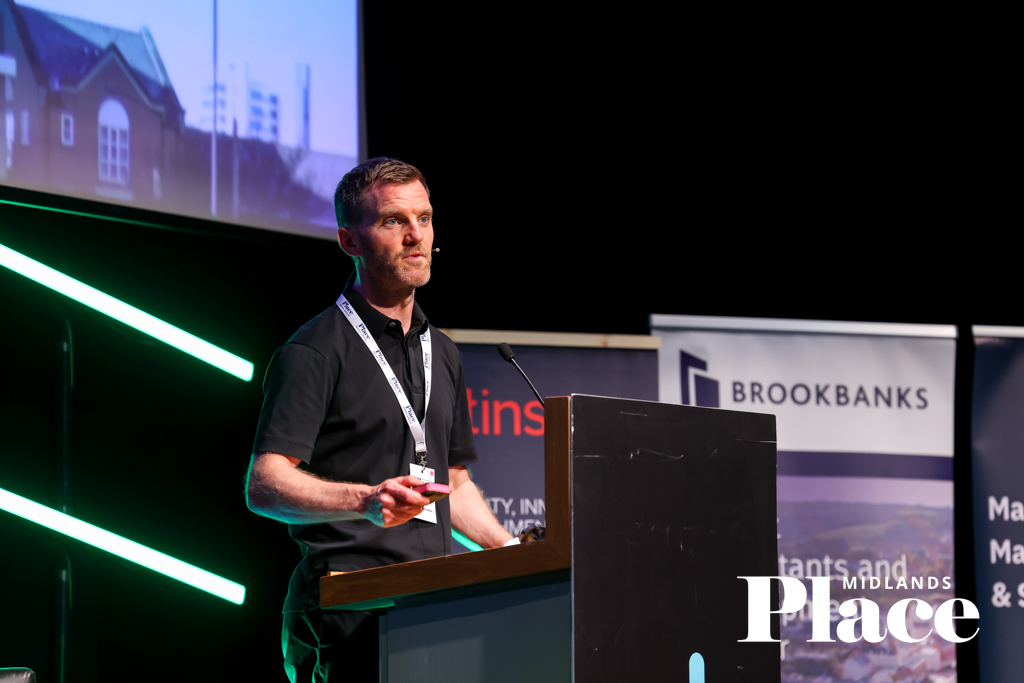
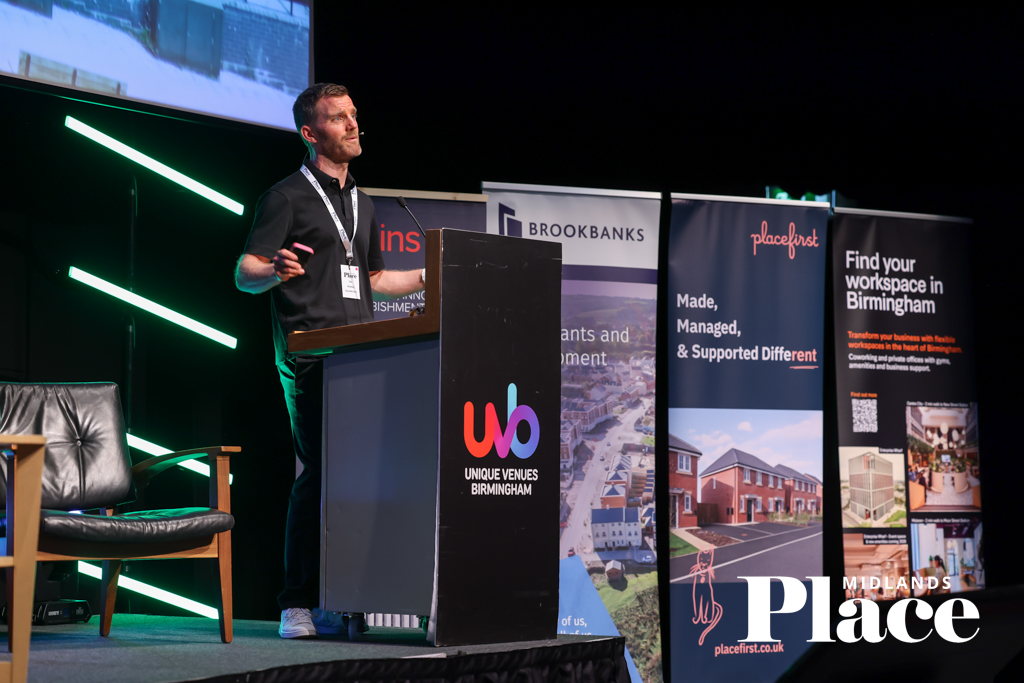
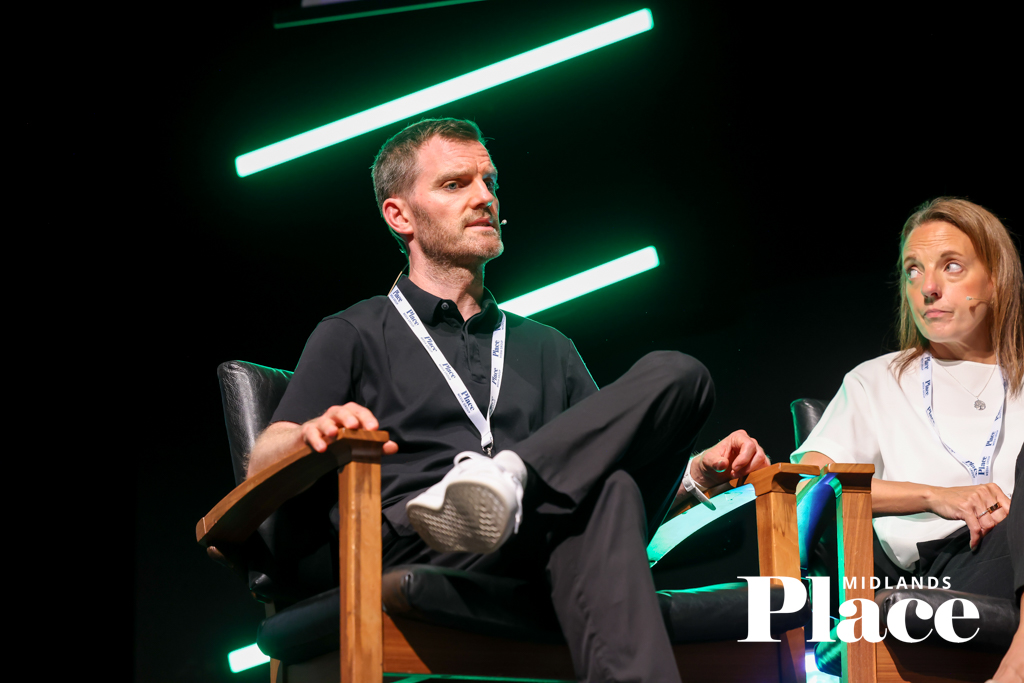
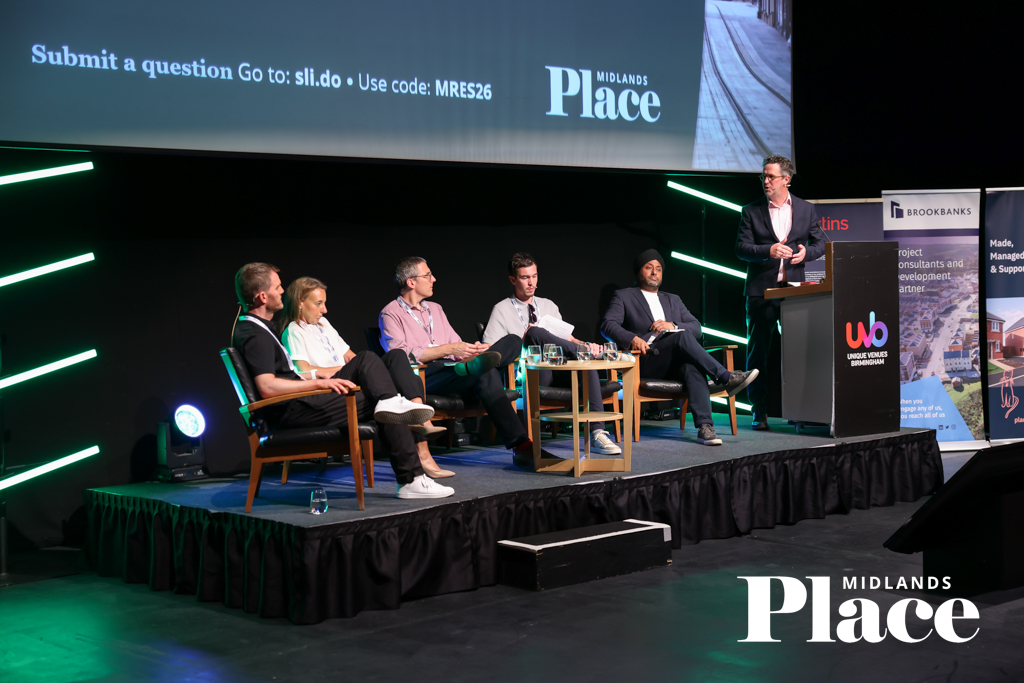
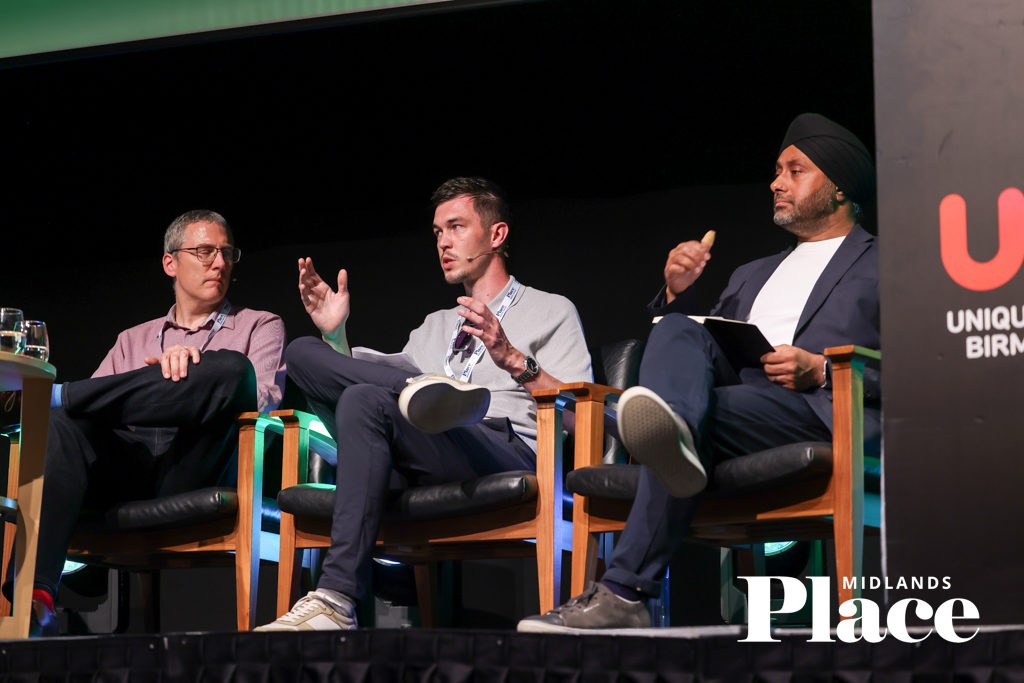
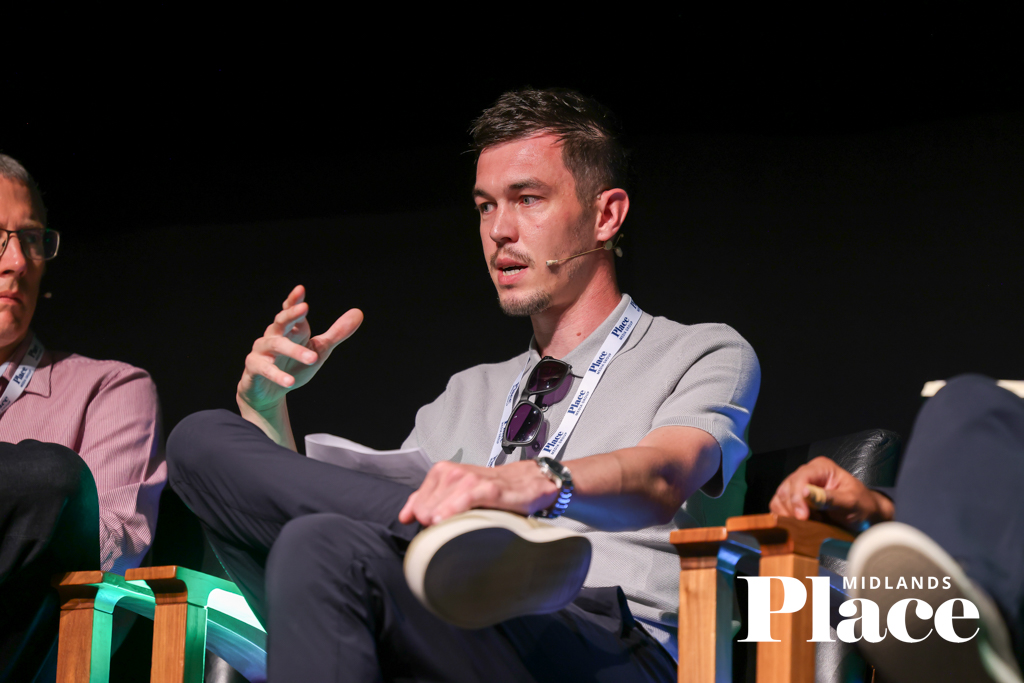
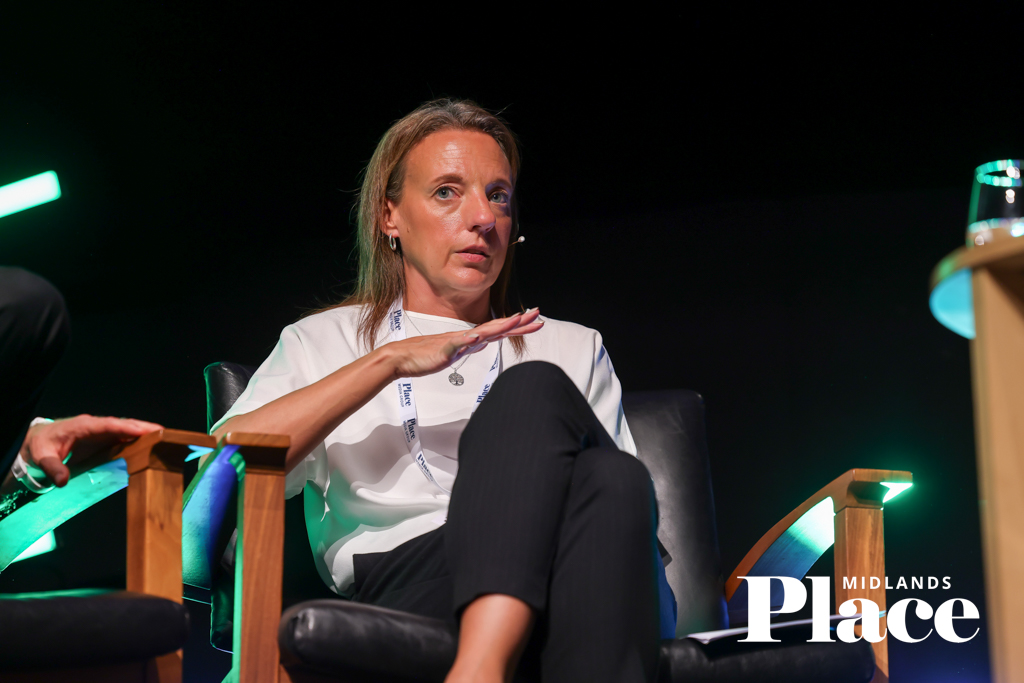
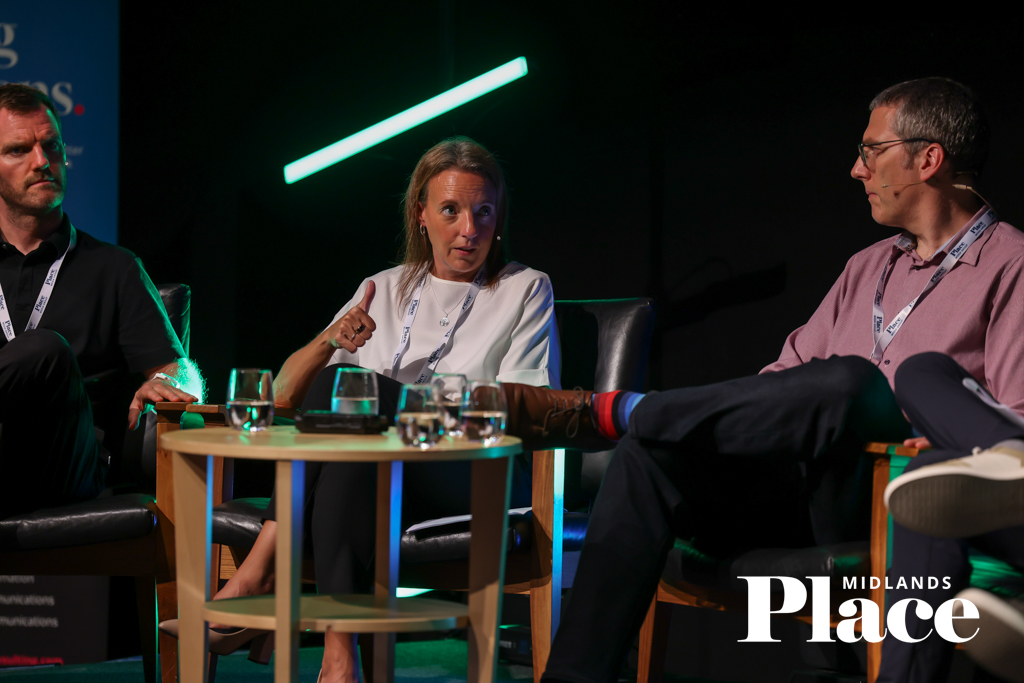
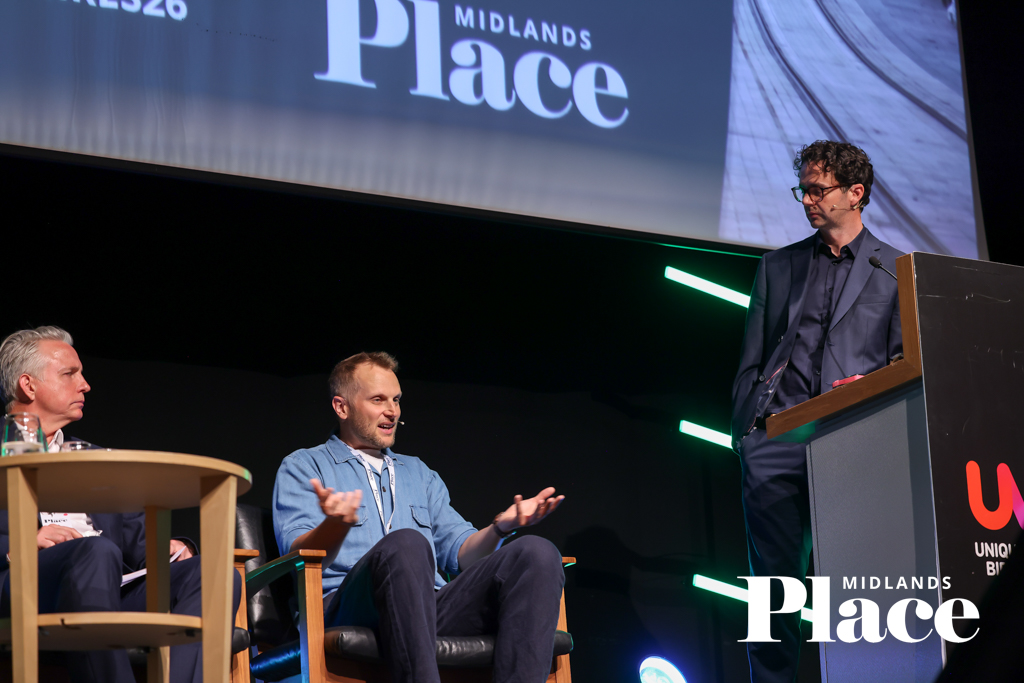
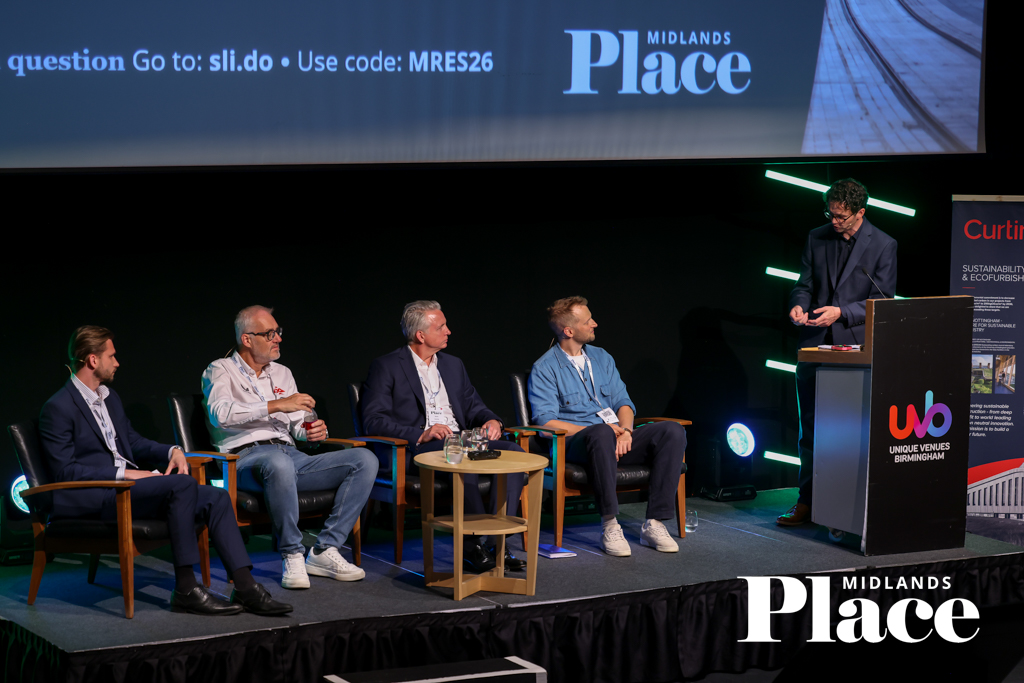
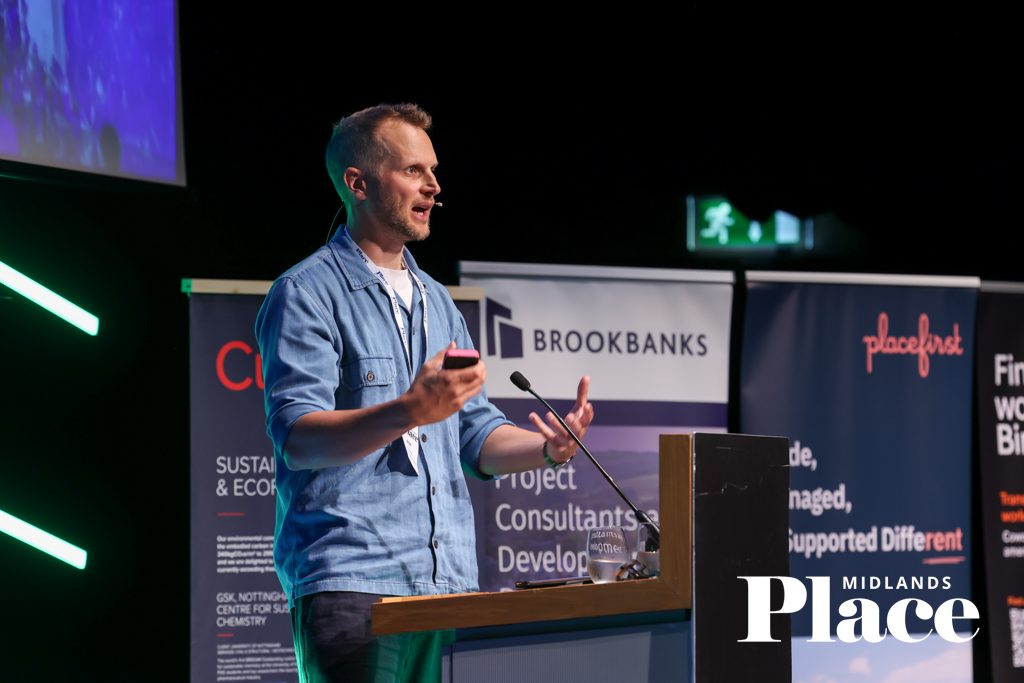
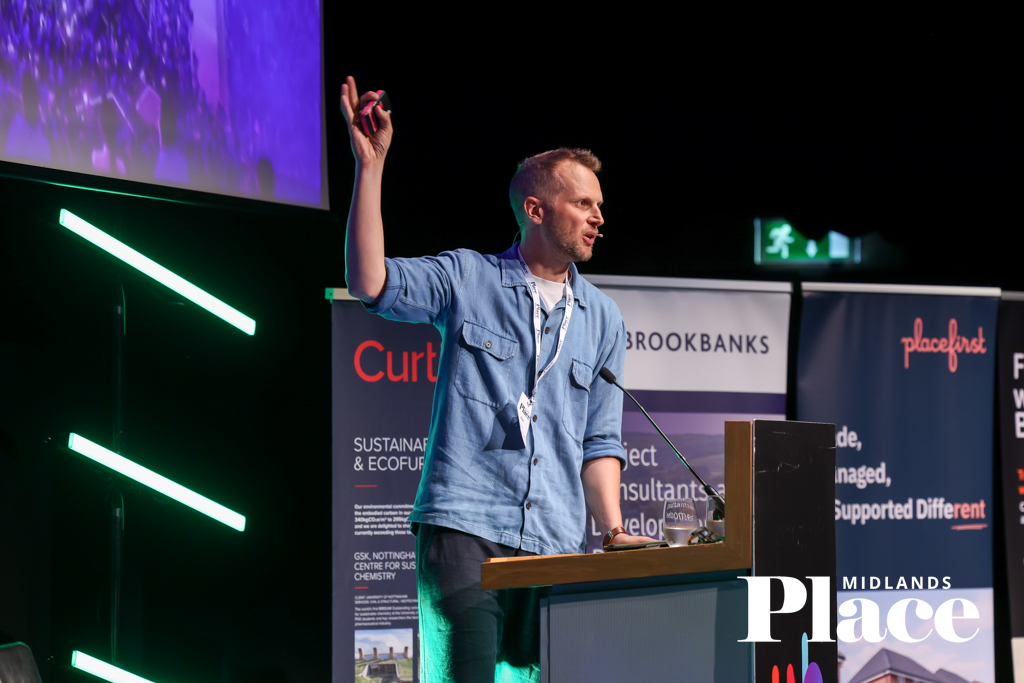
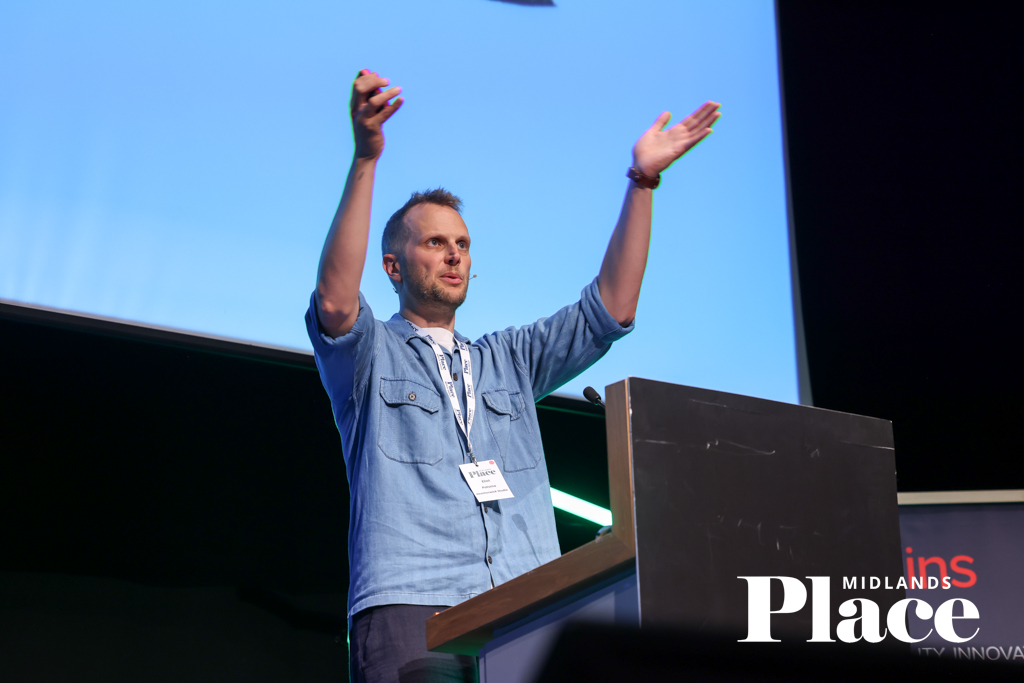
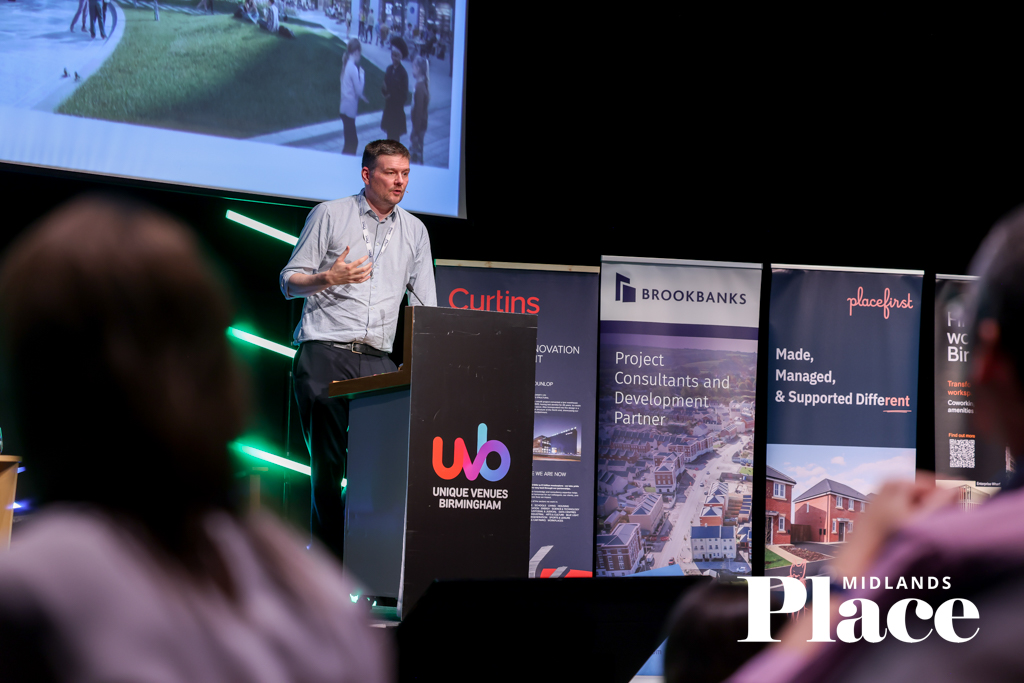
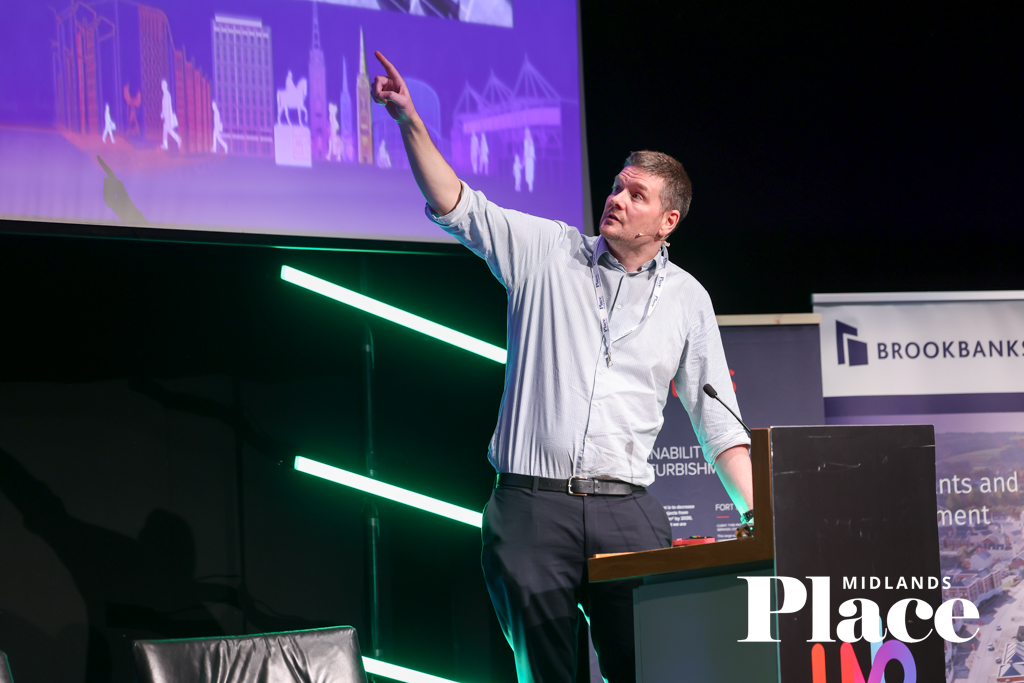
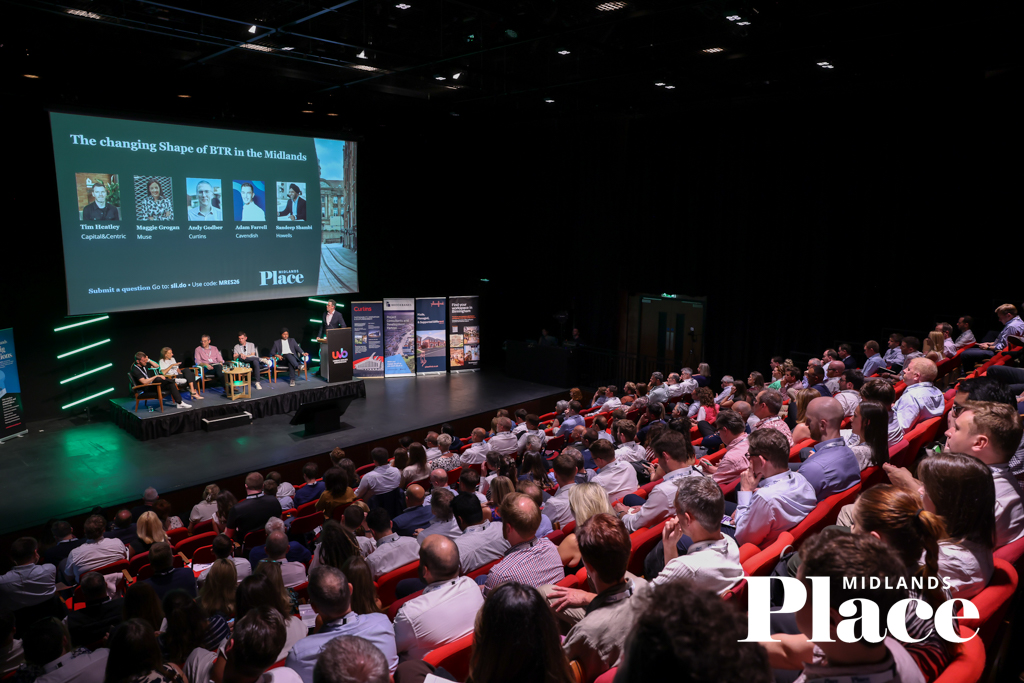
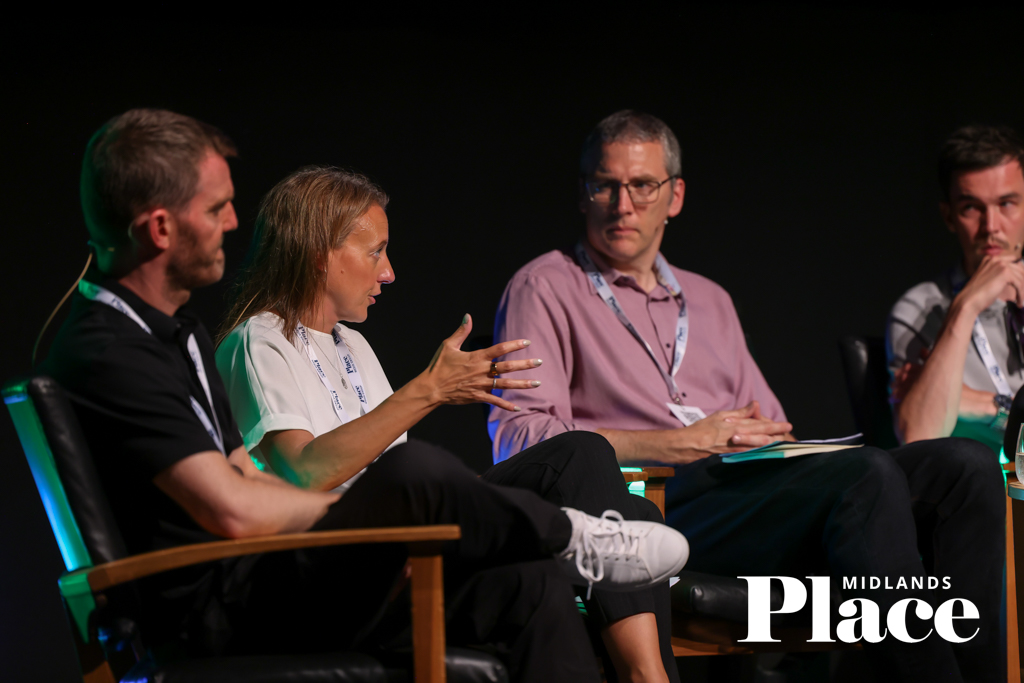
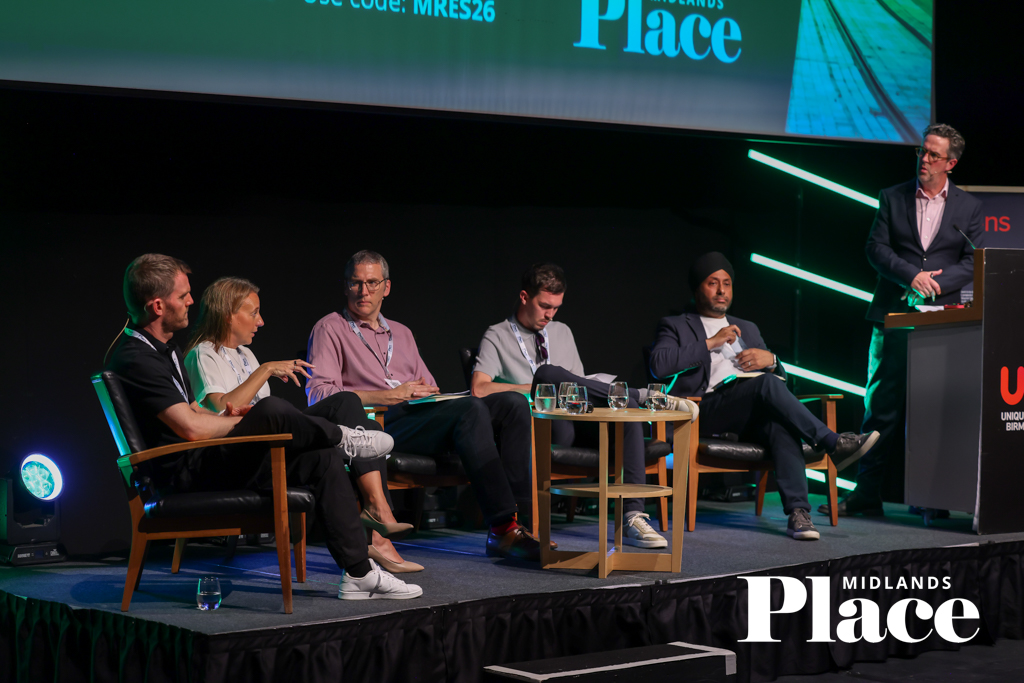
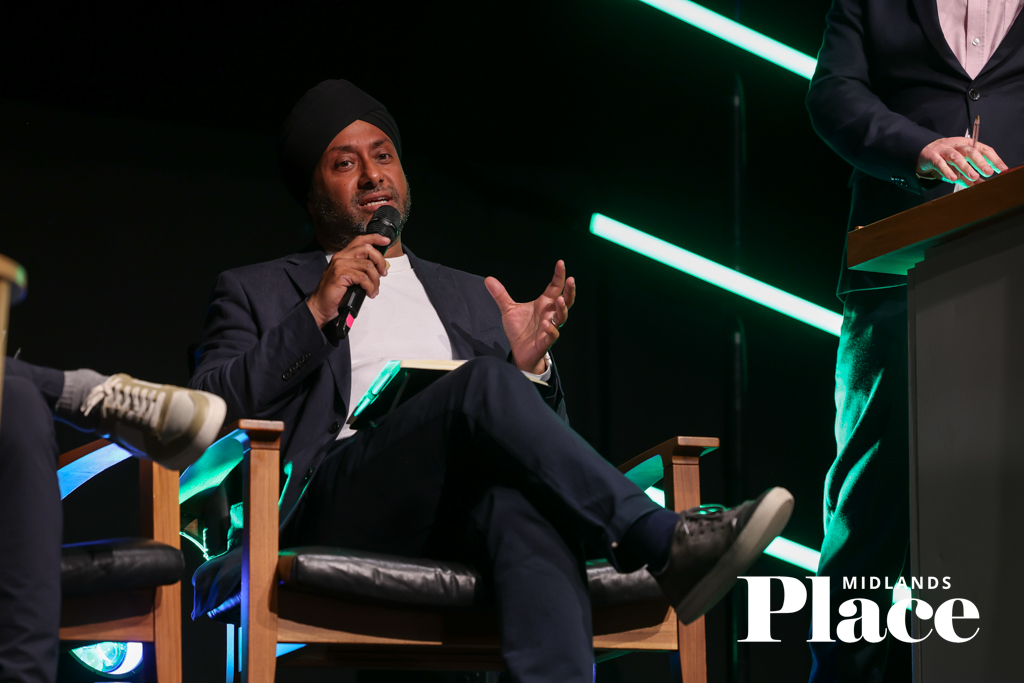
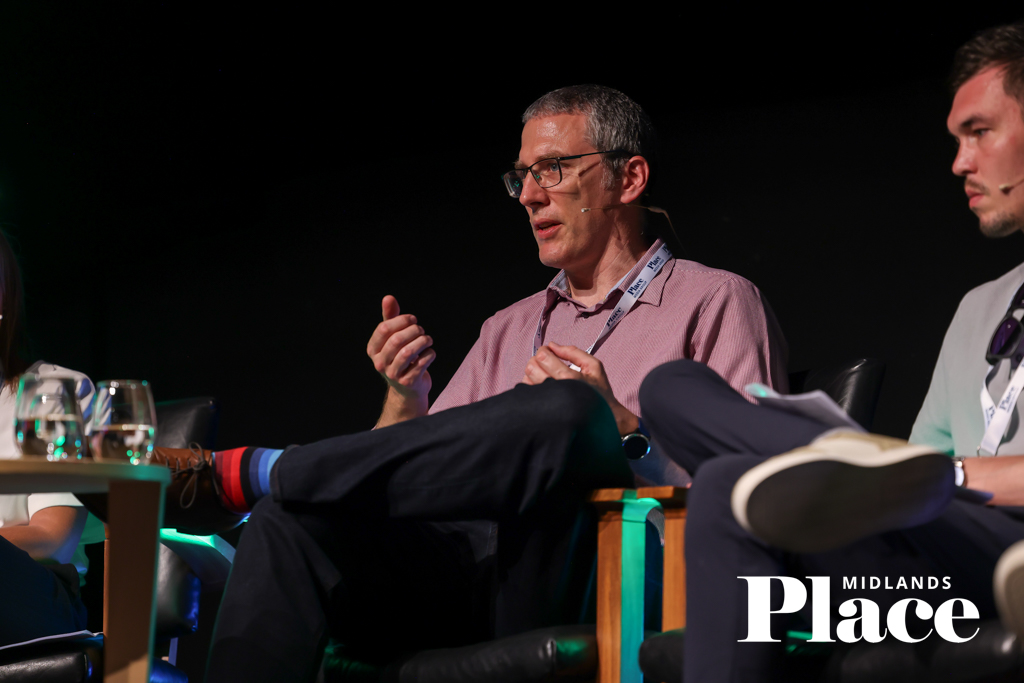
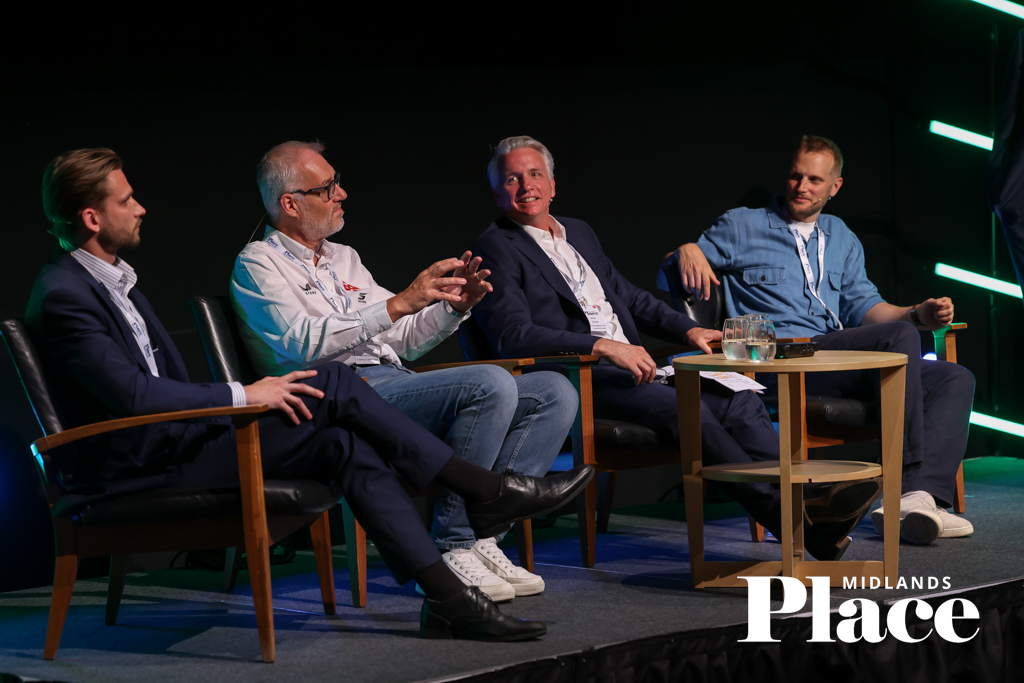
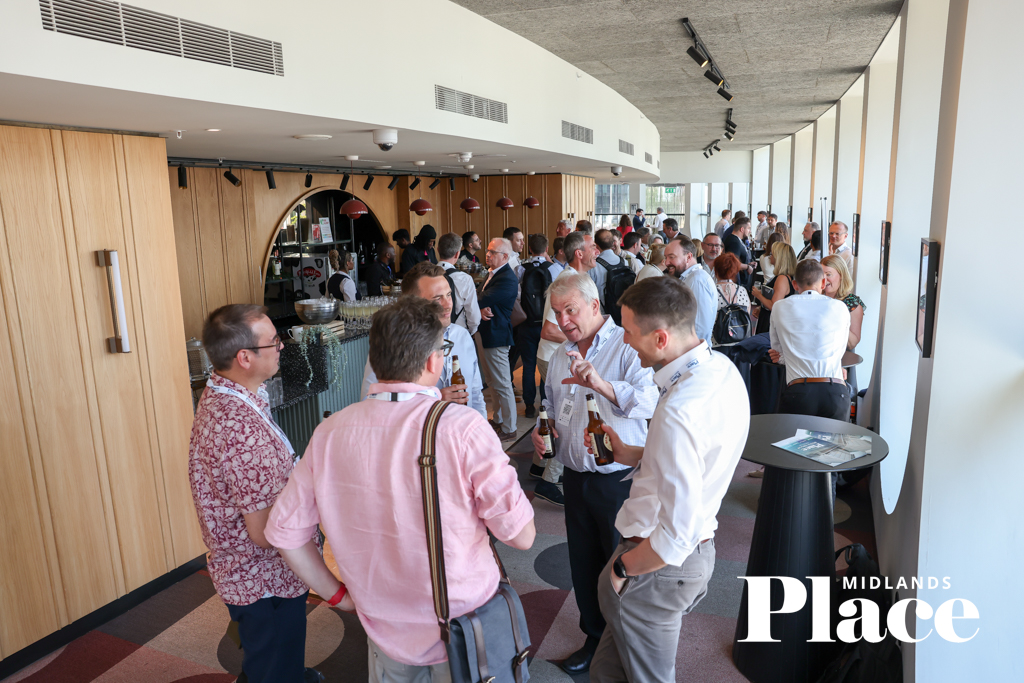
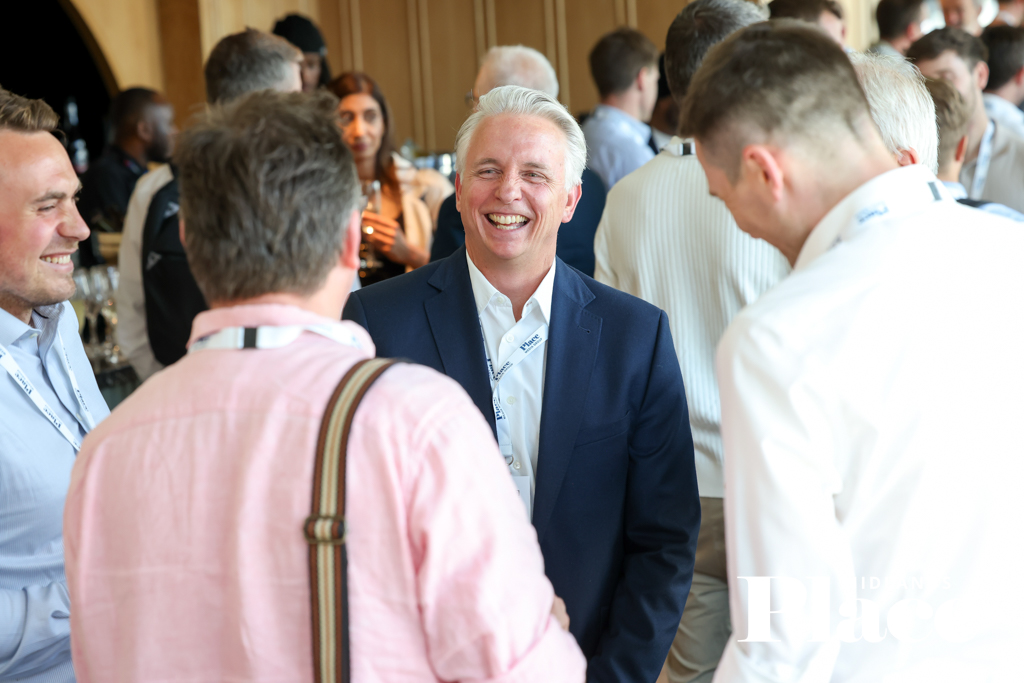
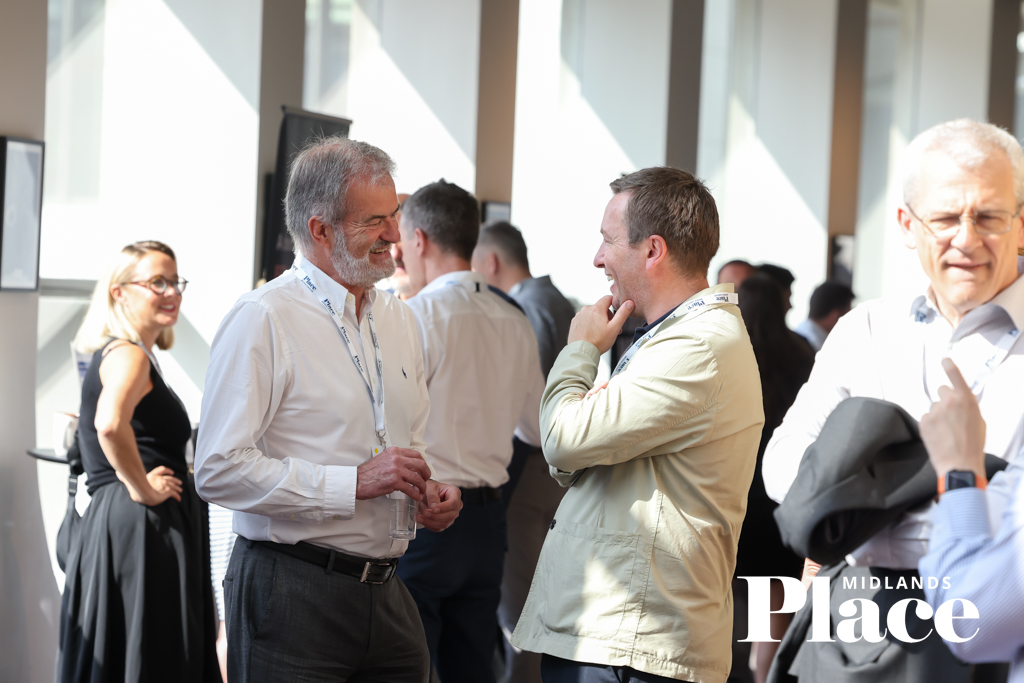
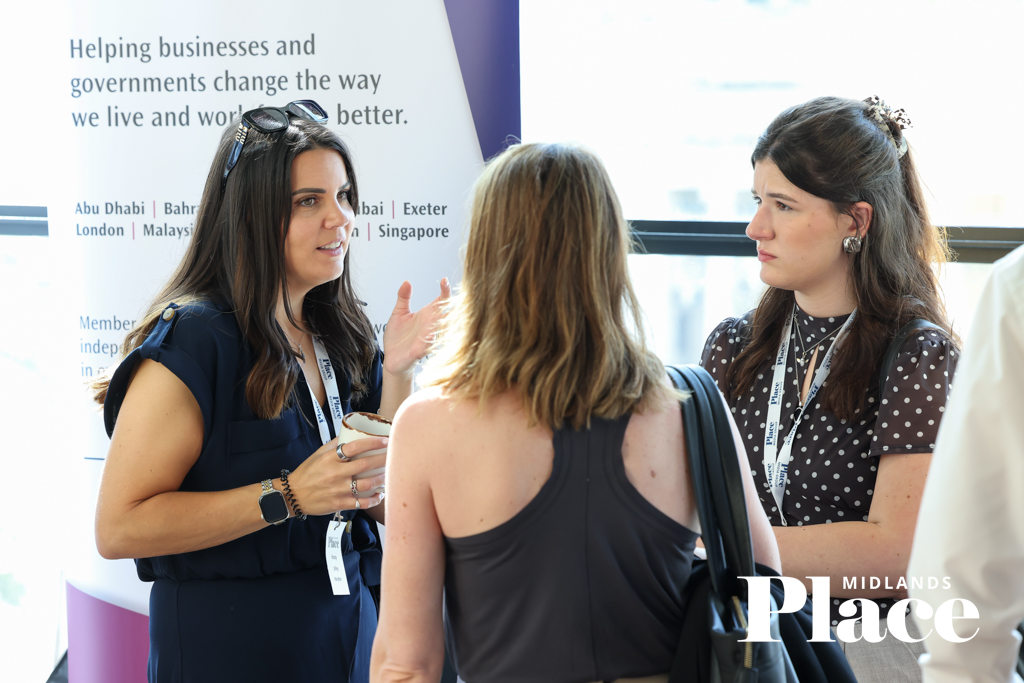
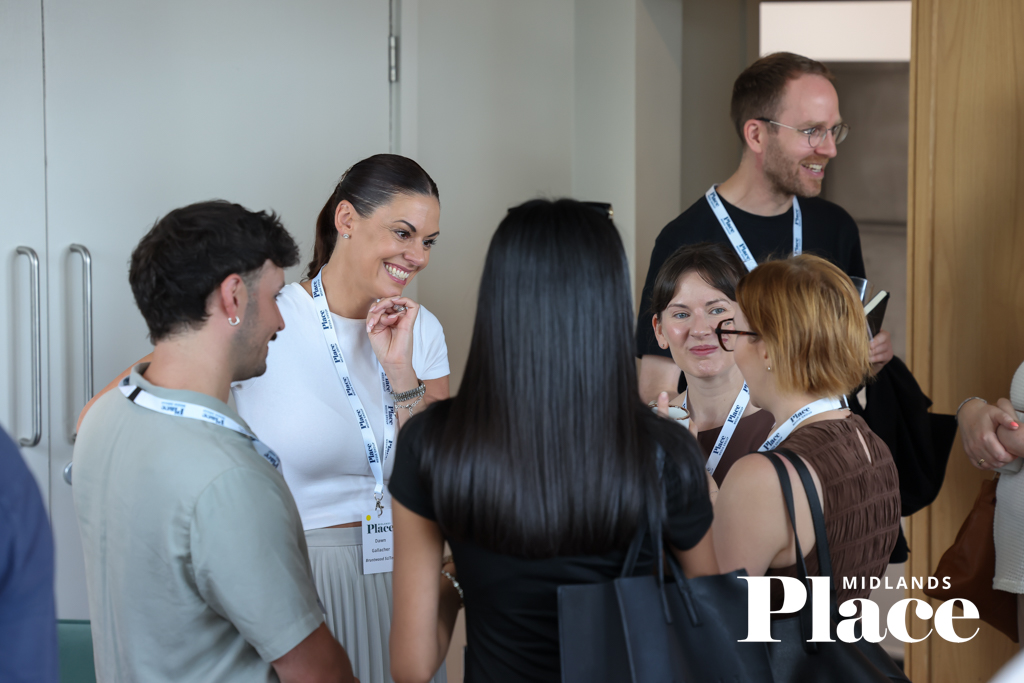
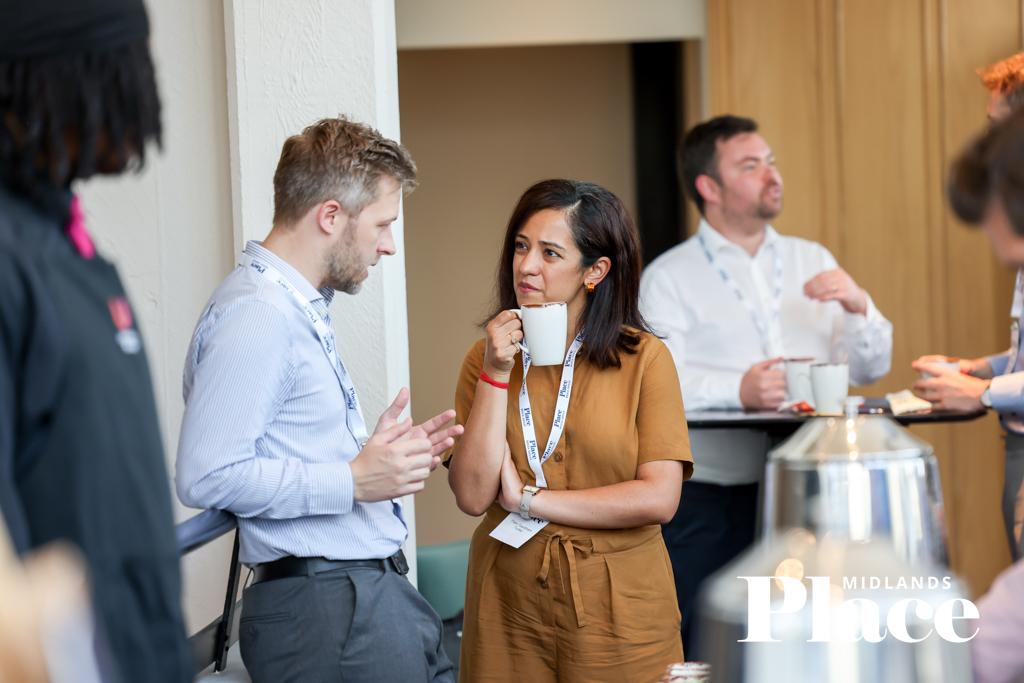
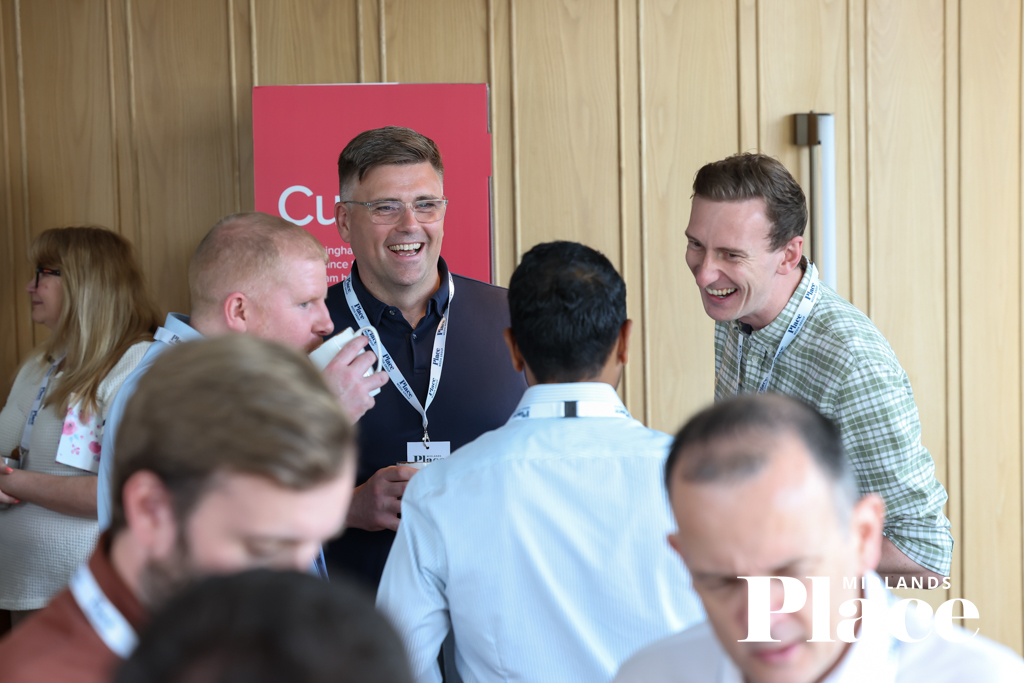
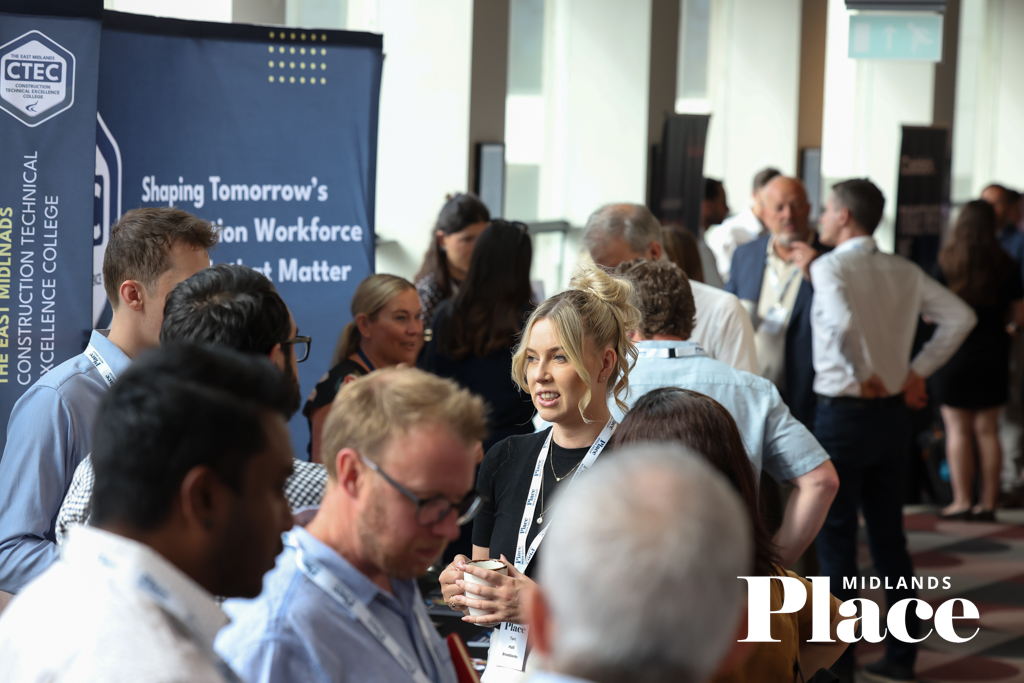
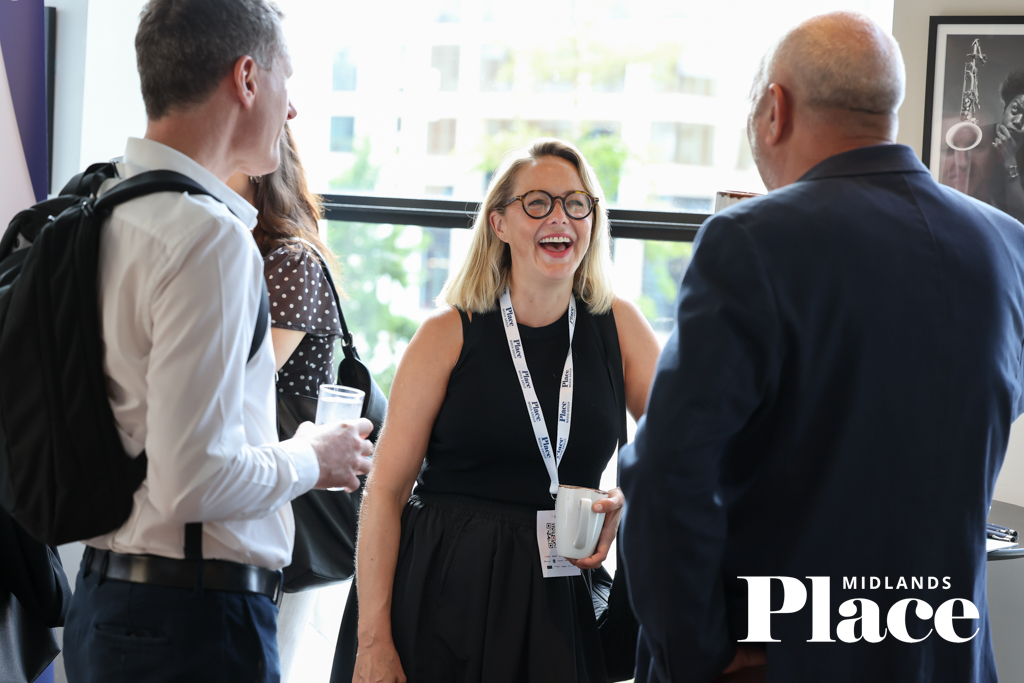
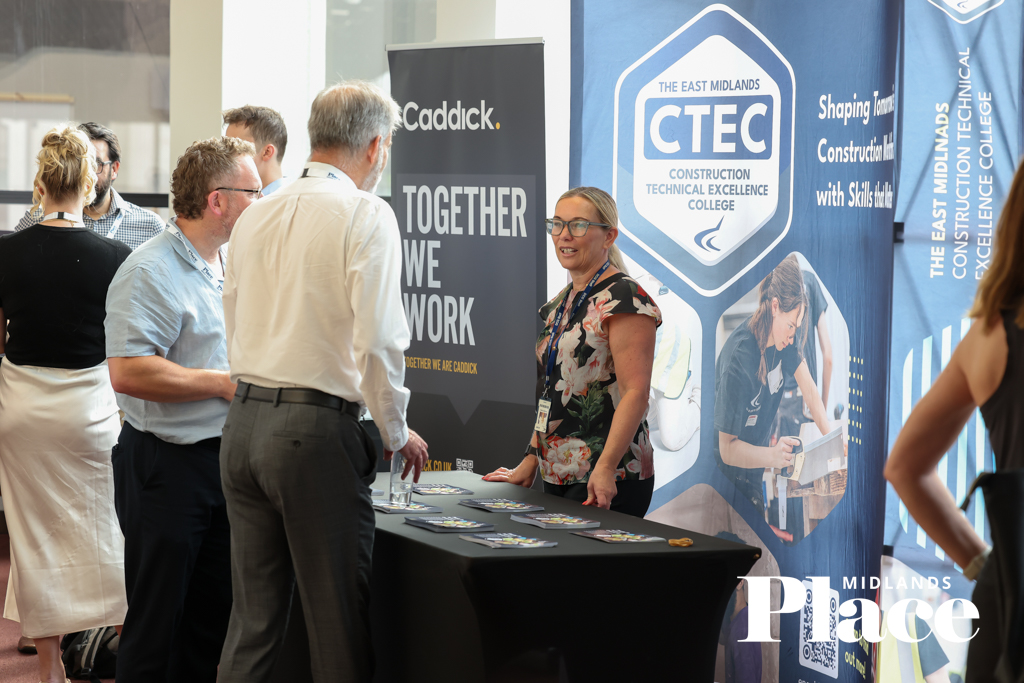
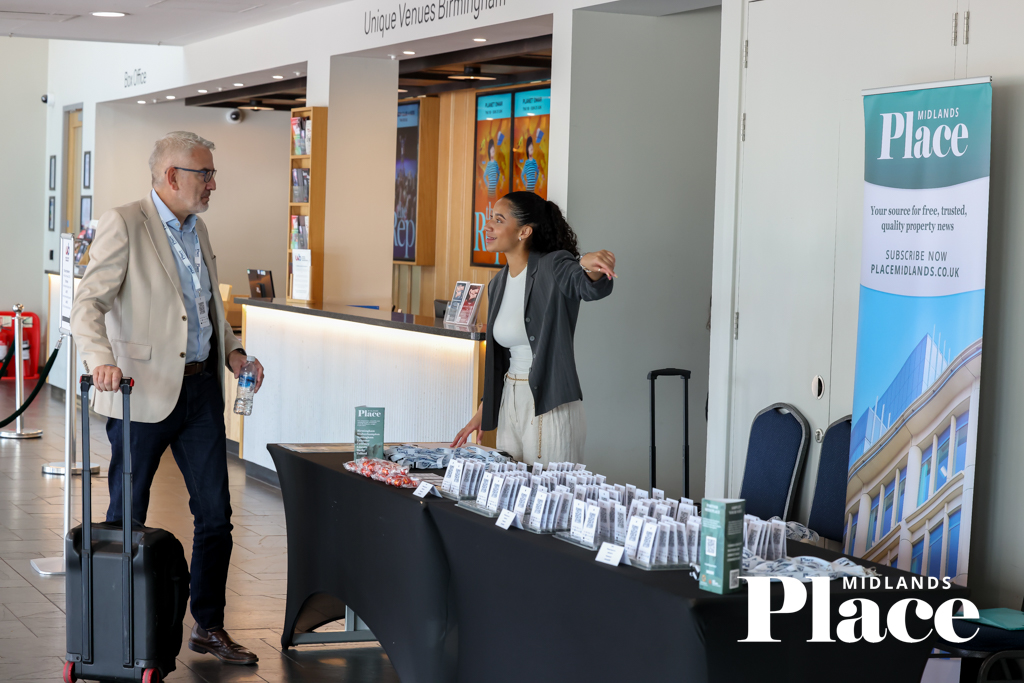
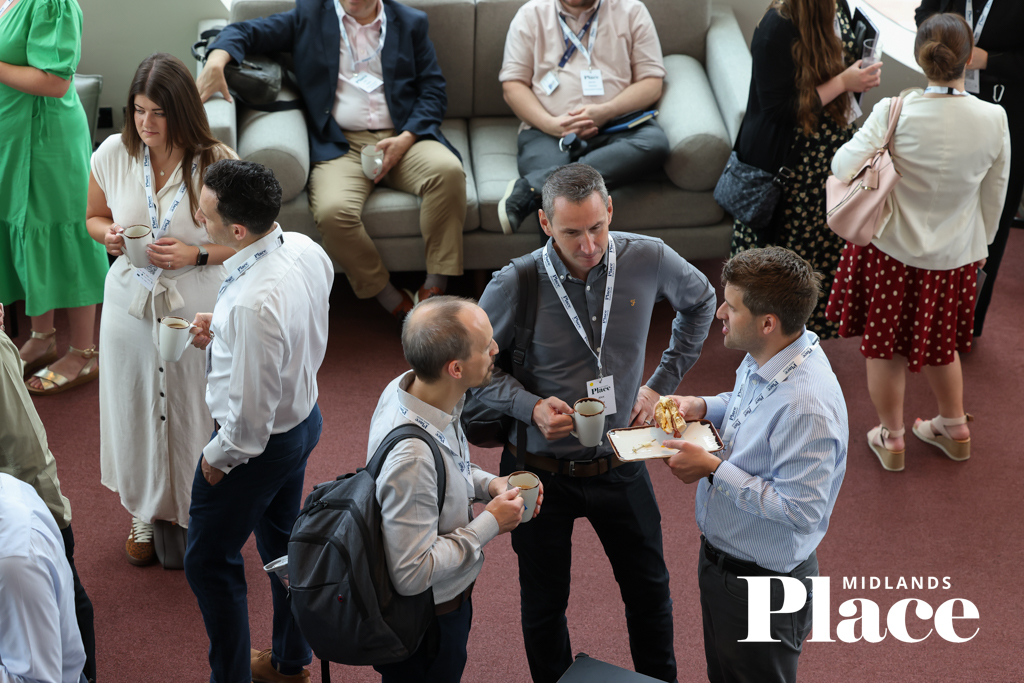
More than 250 people joined Place Midlands for our inaugural summit in Birmingham. Credit: Place Media Group
Hello, Birmingham
The UK’s second city is on the brink of something big. That was the message from Birmingham City Council Leader, Cllr Roger Harmer, who opened the programme by setting out his vision for the city.
In one of his first major addresses since being elected leader following May’s local elections, Harmer acknowledged the significant challenges Birmingham continues to face, from health inequalities and barriers to employment to an acute housing shortage. But his message was one of optimism, underpinned by a clear ambition: to ensure that every resident shares in the benefits of the city’s economic growth.
“Looking around the room, I can see people and organisations who believe in Birmingham. You recognise that it has fantastic potential, much of it untapped. I want to thank you for investing in that potential,” he said.
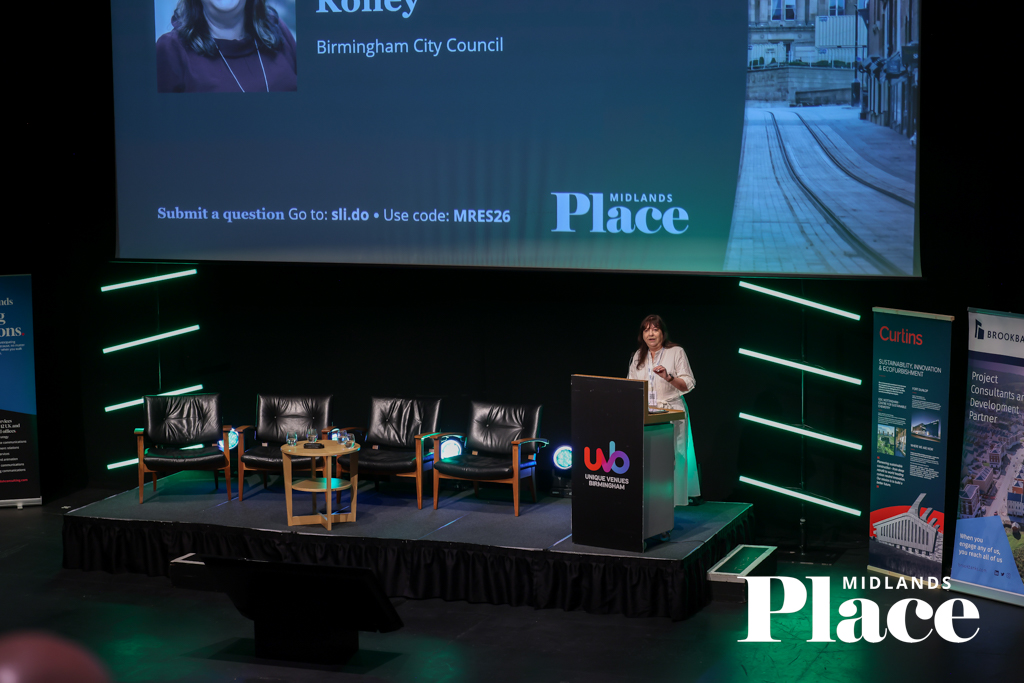
Those comments were echoed by the city council’s managing director, Joanne Roney, who emphasised the need for nimble delivery as major projects like HS2, the new Bullring, and the Central Heart initiative get under way over the coming years and months.
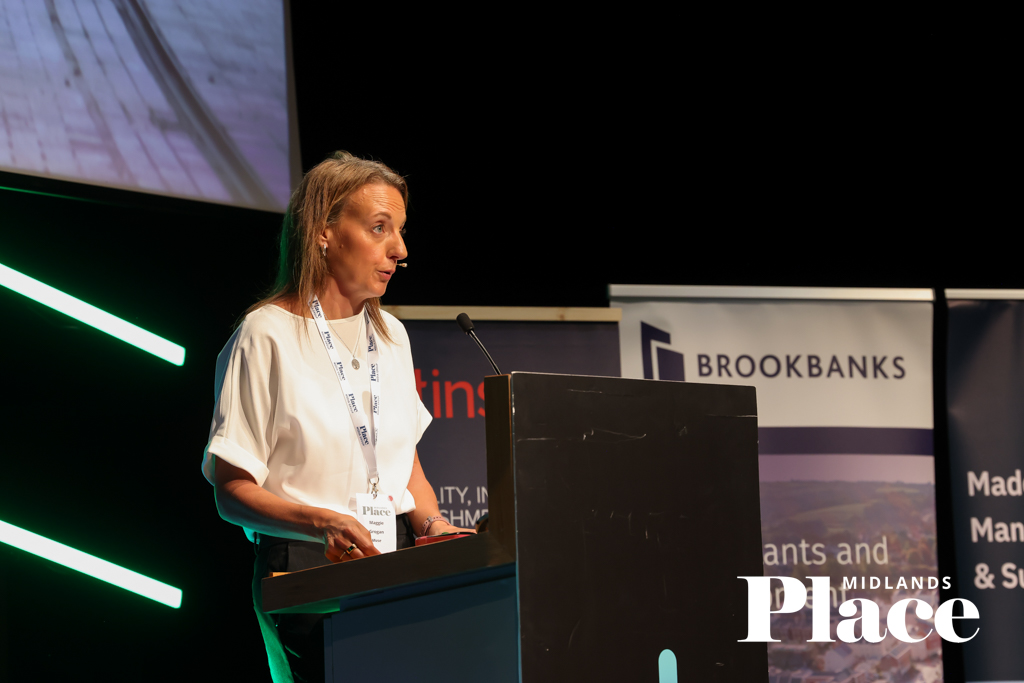
Muse’s Maggie Grogan, managing director for the Midlands, used her opening remarks to outline the developer’s impressive pipeline of opportunities taking shape across the region, including the £3.2bn HS2-linked Arden Cross scheme and Holbeche Place in Solihull.
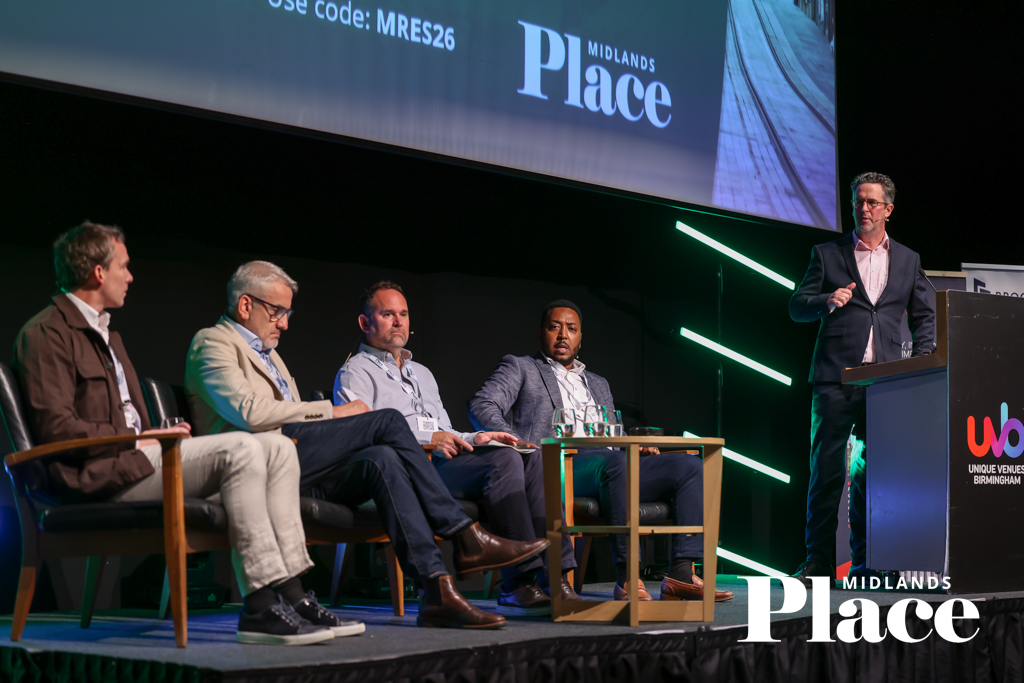
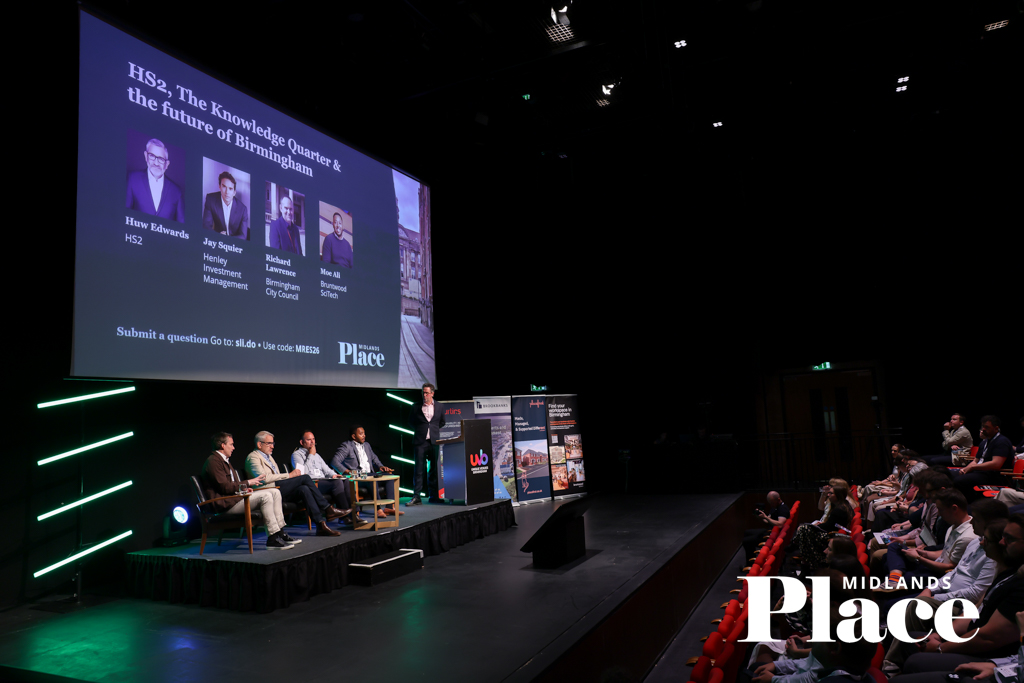
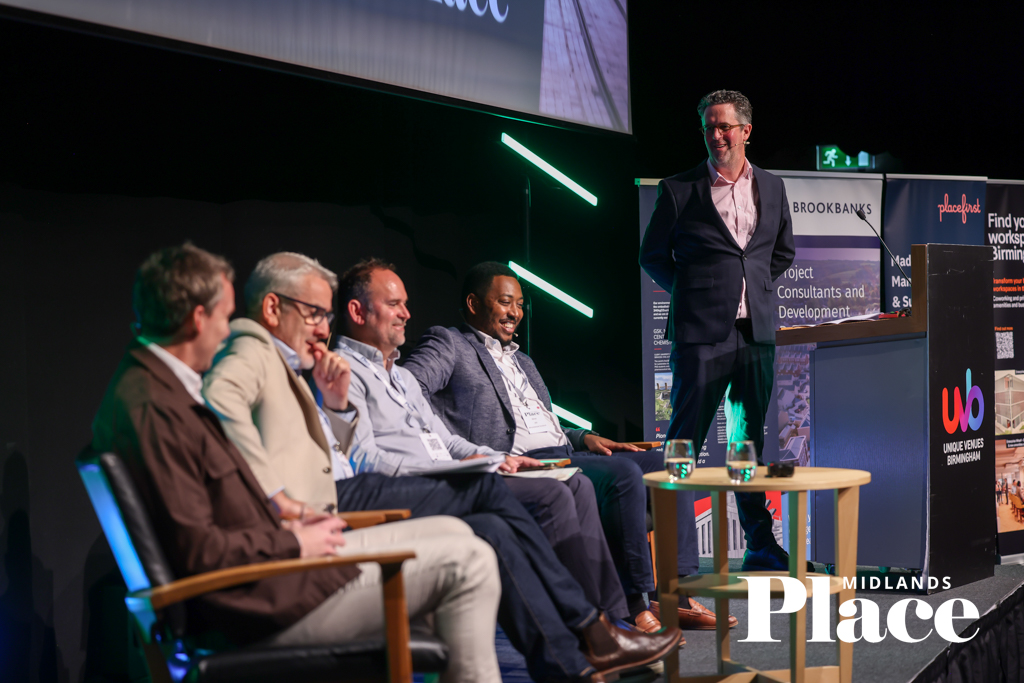
HS2, the Knowledge Quarter & the future of Birmingham
Panelists:
- Jay Squier, Henley Investment Management
- Moe Ali, Bruntwood SciTech
- Richard Lawrence, Birmingham City Council
- Huw Edwards, HS2
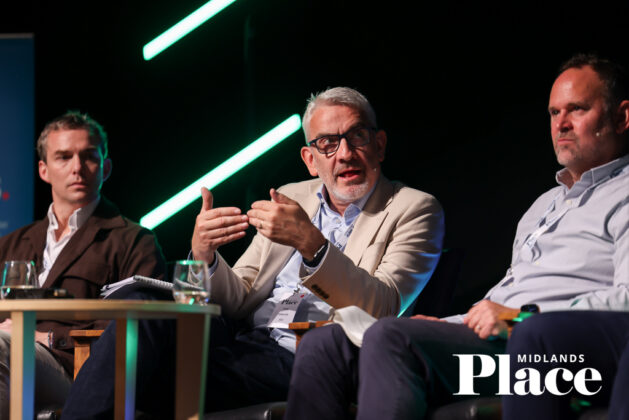
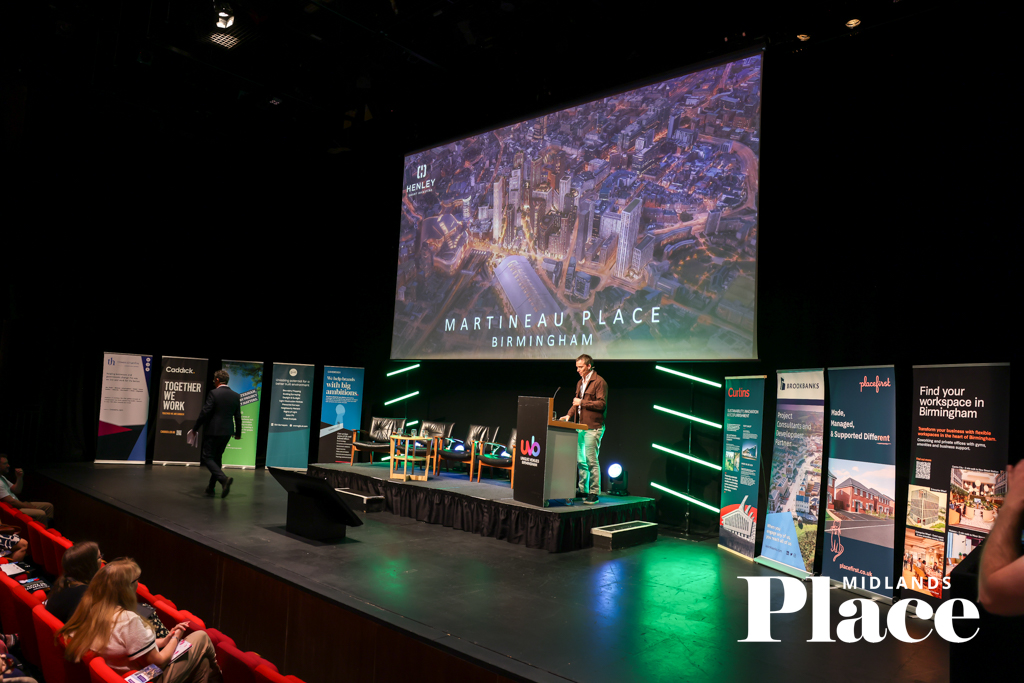
Henley’s Jay Squier kicked off a panel discussion on the major projects shaping the city by laying out an ambitious vision for what Central Heart could look like. Henley’s plans to redevelop Martineau Place shopping centre with what would become the city’s tallest building include up to 1,700 homes, office accommodation, and potential for a hotel or leisure facilities.
Bruntwood SciTech’s Moe Ali highlighted the importance of retaining talent in Birmingham and the positive changes in the city’s perception.
“There’s so much in the pipeline, and that makes me feel excited and proud to be from the city, and want to see it succeed, and I’m sure we’ll bring it forward collectively.” – Moe Ali, Bruntwood Scitech
Richard Lawrence, executive director of place at Birmingham City Council, discussed the connectivity challenges in the city and the need for infrastructure improvements, but said the incoming East Birmingham Mayoral Development Corporation would accelerate delivery of major schemes.
“It does unlock funding, but it also unlocks delivery and facilitates that delivery, and that’s one of the key reasons that we’re pulling it together, because you’ve got six major projects that all align geographically within the city core and to the east of the city, ” he said.
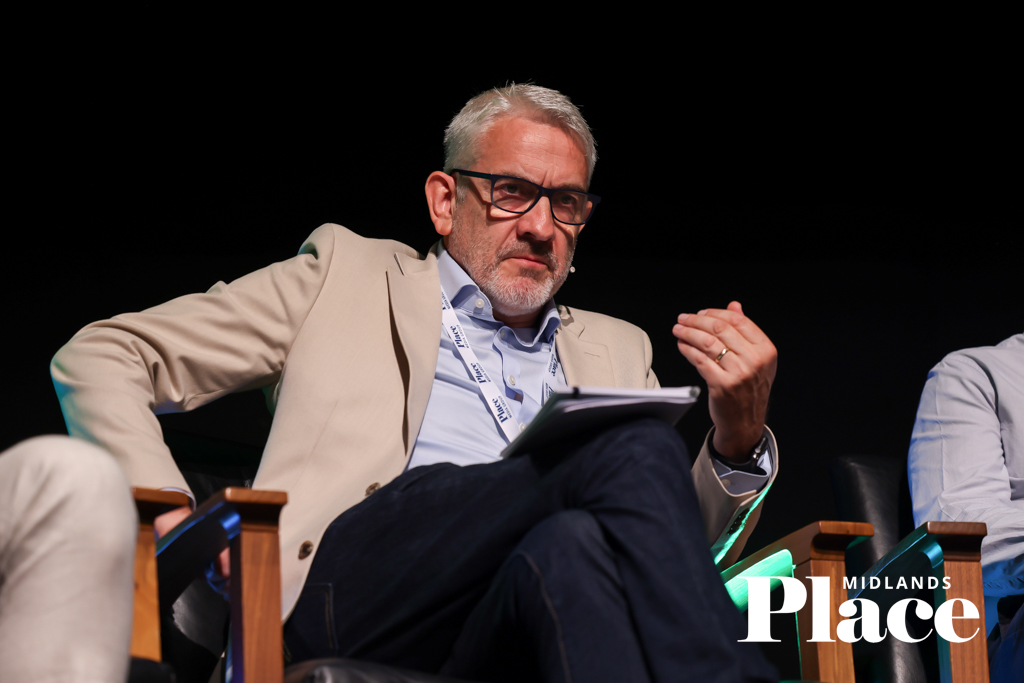
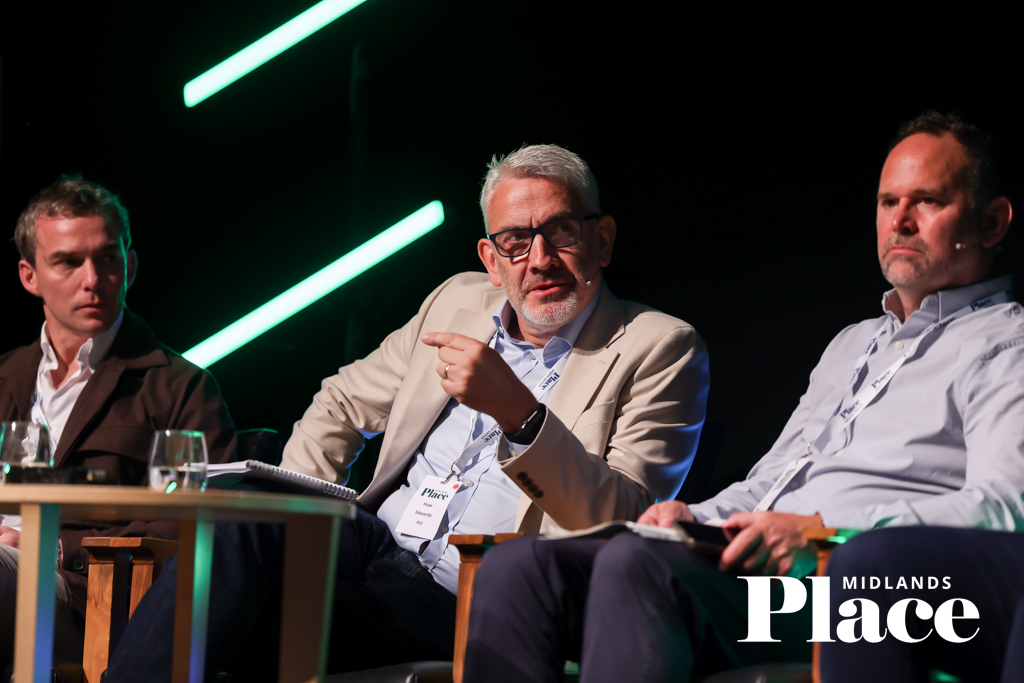
The golden thread linking many of those schemes is the arrival of high-speed rail, and HS2’s director of stations and placemaking, Huw Edwards emphasised the importance of creating a compelling story for investors and the role of transport infrastructure in driving development. He said he believed HS2’s impact on Birmingham would continue to weather the political turbulence which has been seen throughout the lifetime of the project.
Transforming brownfield sites in the Midlands
Panelists:
- Ian Romano, Prologis UK
- Simon Raiye, HBD
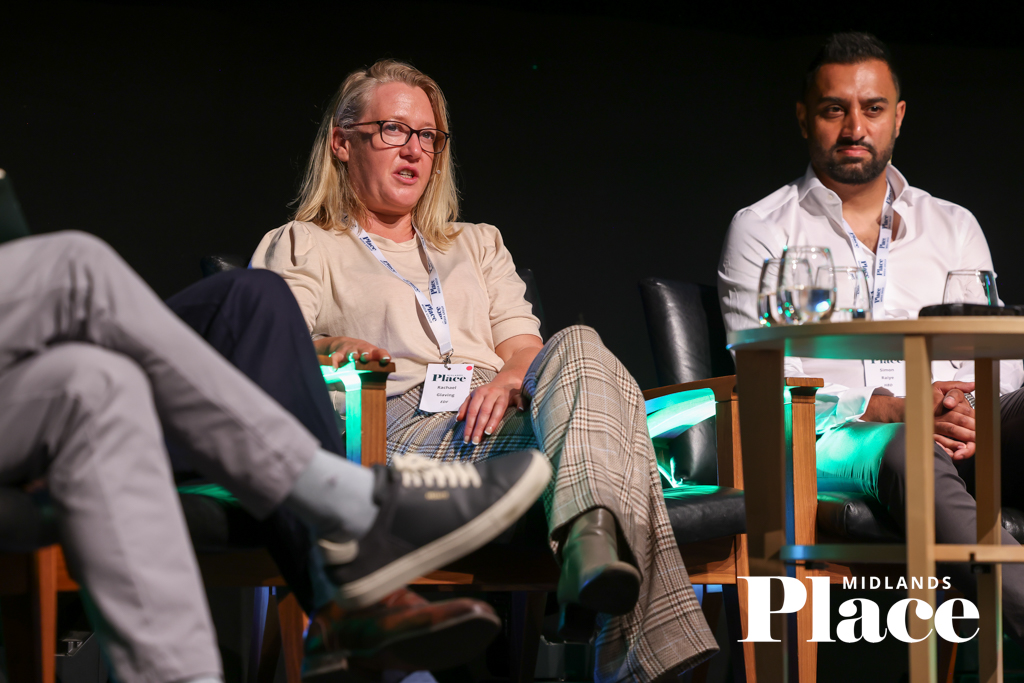
- Rachael Glaving, EDF
- Ray O’Sullivan, Caddick Construction
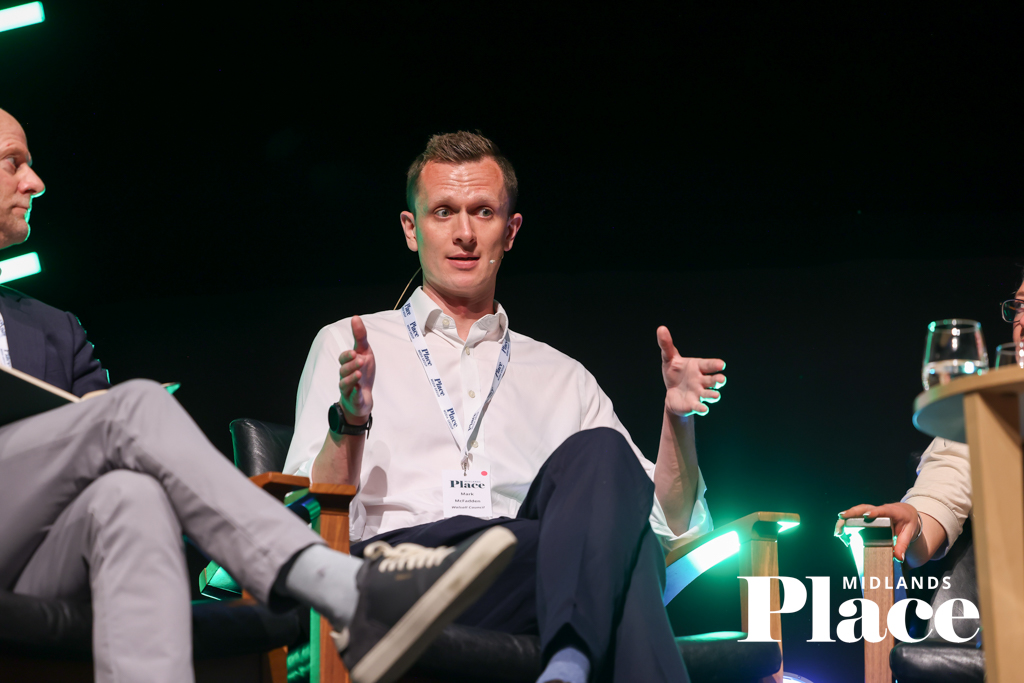
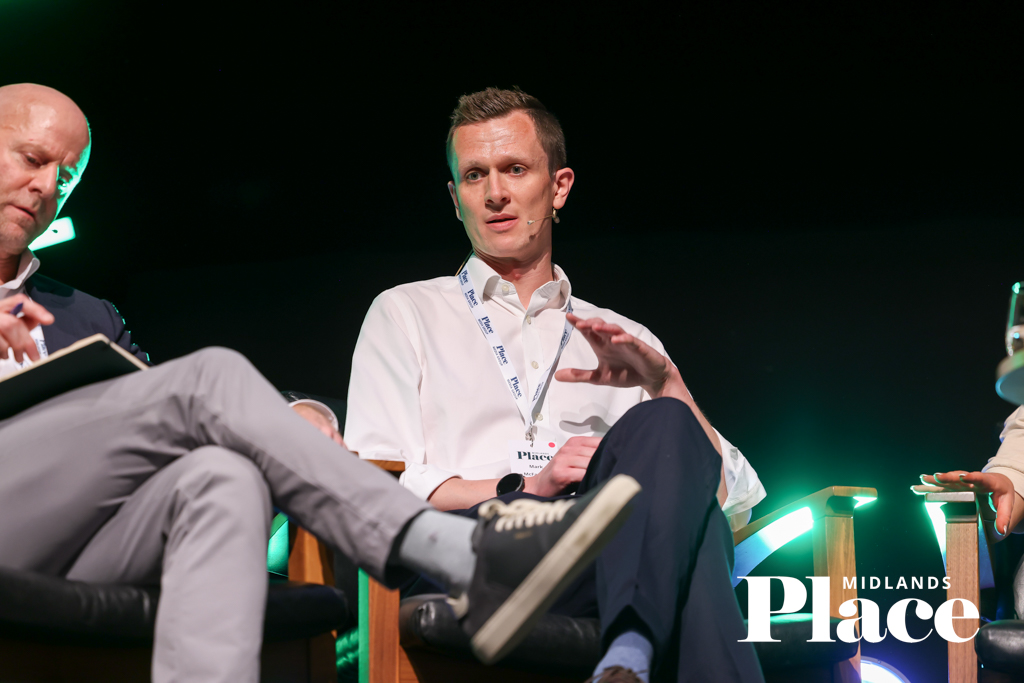
- Mark McFadden, Walsall Council
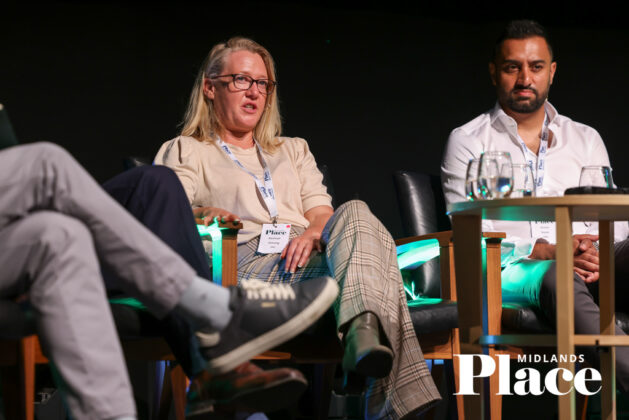
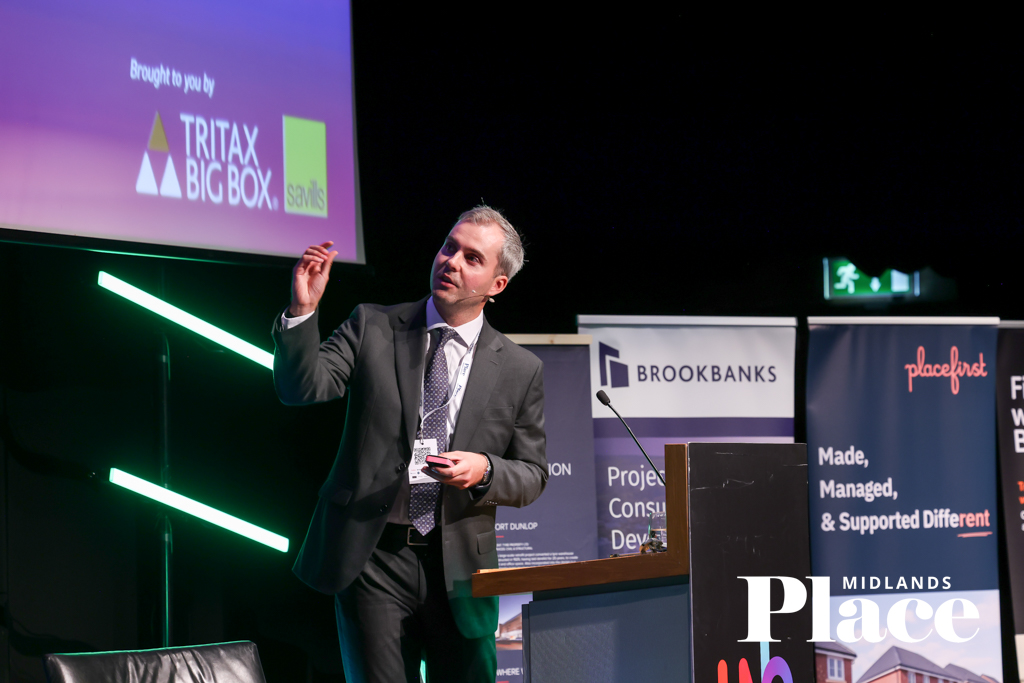
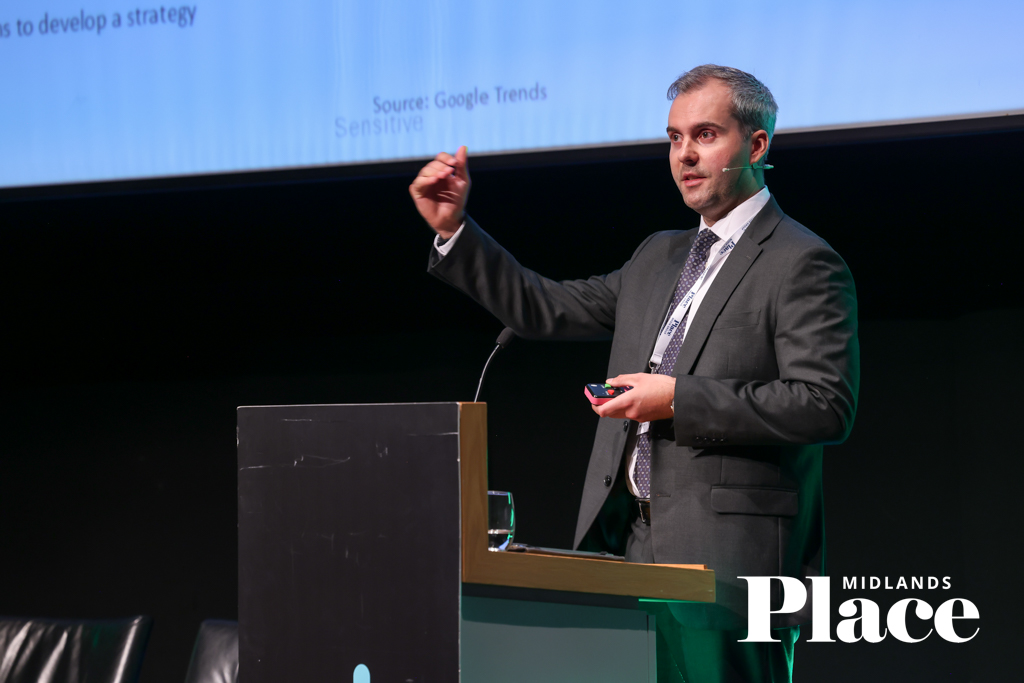
Savills industrial research associate, Lewis Rapley, presented an overview of the big box logistics market, highlighting robust demand across the Midlands despite ongoing market uncertainty.
He pointed to the impact of geopolitical tension on supply chains and inflation, while also stressing the importance of resilience in power and energy supply to the region’s industrial developments.
In the panel discussion that followed, Prologis’s Ian Romano discussed challenges over availability of land and the complexity of dealing with fragmented title ownerships, particularly in the West Midlands, a point which was backed up by Caddick’s Ray O’Sullivan.
Ten per cent of all brownfield in the UK is in the West Mids, and then you start to take East Mids, suddenly probably we’re approaching a fifth. That’s a huge land bank. The problem is the size and scale of some of it, and where it’s positioned – Ray O’Sullivan, Caddick Construction
On the larger schemes taking shape in the East Midlands, EDF’s Rachael Glaving said former coal plants at Cottam and West Burton were set to shape the region’s future industries, which were likely to revolve around data centres and AI-related industries.
She said the potential for job creation and economic growth was huge, but hurdles remained around public perception, stressing the need for a “holistic story” around data centres and their environmental impact.
Looking to the future of the West Midlands, Marc McFadden said local authorities would play an important role in addressing land ownership problems and providing financial investment, while HBD’s Simon Raiye added that developers also had a role to play in public-private partnerships which sometimes went under the radar, such as at the SPARK I&L in Walsall.
“It needed public sector intervention, but we were a big part, standing with them in order to make that business case, because we made a commitment to underwrite some of that future business rates income,” Raiye said.
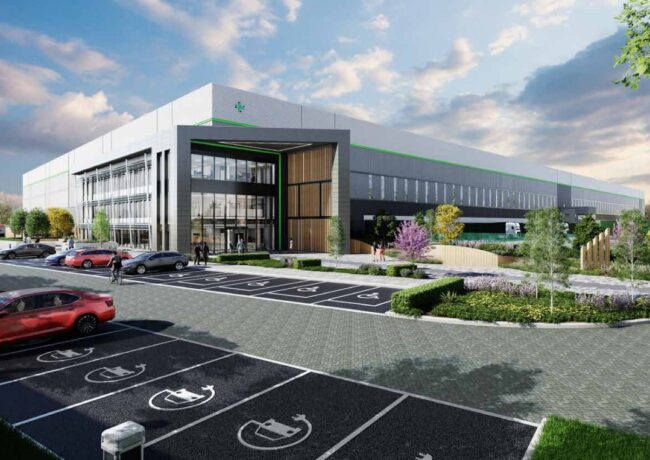
“It’s culminated now in a remediated site, and 620,000 sq ft of new sheds and hopefully 1,100 jobs on the way and look, there’s a patience piece to that, but also there’s a lot of lessons just about how we’ve worked with the public sector.”
The changing shape of Build to Rent
Panelists:
- Tim Heatley, Capital&Centric
- Maggie Grogan, Muse
- Andy Godber, Curtins
- Adam Farrell, Cavendish Consulting
- Sandeep Shambi, Howells
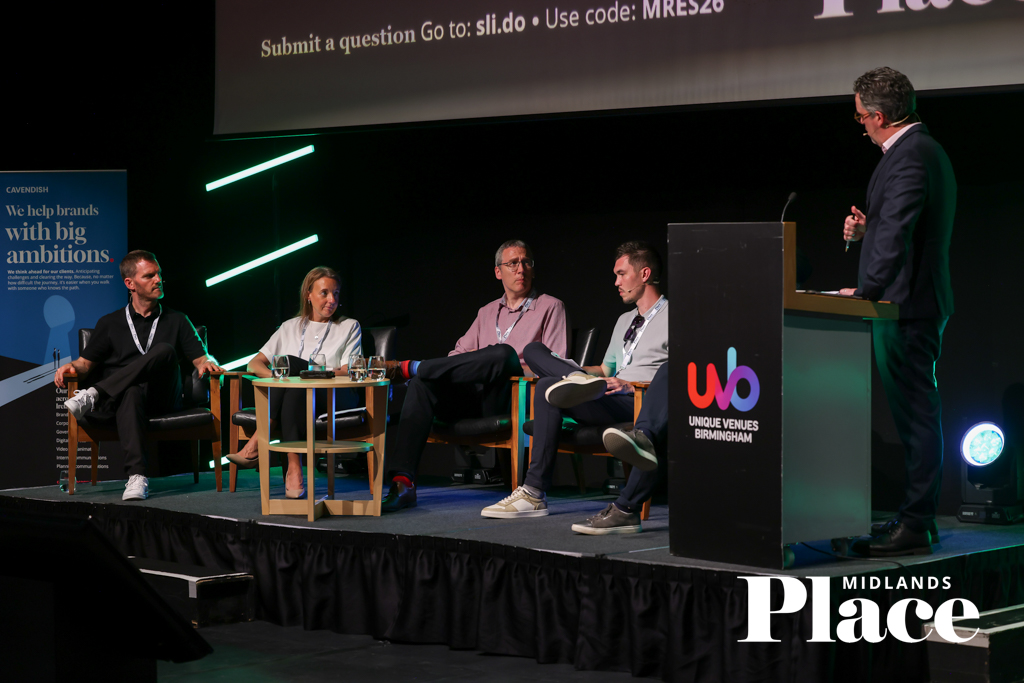
The panel explored how Build to Rent in the Midlands is evolving from a niche residential product into a core component of mixed-use regeneration, creating sustainable neighbourhoods, supporting city centre growth and bringing long-term institutional investment into regeneration projects.
Capital&Centric’s Tim Heatley said successful BTR developments were now defined by their ability to create distinctive places where people choose to live, with strong identities, active public space and long-term stewardship, while Maggie Grogan drew on Muse’s experience delivering complex mixed-use schemes – highlighting how BTR provides confidence to investors while helping unlock brownfield sites that combine homes, employment, leisure and public realm.
She emphasised the need to move past concerns over political instability and to focus on delivery.
The opportunity is there, the willingness is there. What we’ve got to do now is try to unlock those opportunities by coming up with different delivery models between the public and private sectors, and build on those partnerships for collaboration and delivery – Maggie Grogan, Muse
Meanwhile Andy Godber of Curtins emphasised the importance of reusing existing assets, remediating brownfield land and designing adaptable buildings capable of responding to changing market conditions, ensuring developments remain sustainable over the long term.
Howells’ Sandeep Shambi argued that architecture should reinforce community rather than simply maximise development capacity. Good BTR, he suggested, should repair the urban fabric through active streets, a mixture of uses and welcoming public spaces.
Adam Farrell added a planning and communications perspective, saying developers needed to clearly demonstrate how professionally managed rental communities contribute to local priorities through high-quality design, long-term management and meaningful engagement with residents.
Sport-powered regeneration in the Midlands
Panelists:
- James Faflik, Gleeds
- Nick Smith, Birmingham City FC
- Stuart Cain, Warwickshire County Cricket Club
- Eliot Postma, Heatherwick Studios
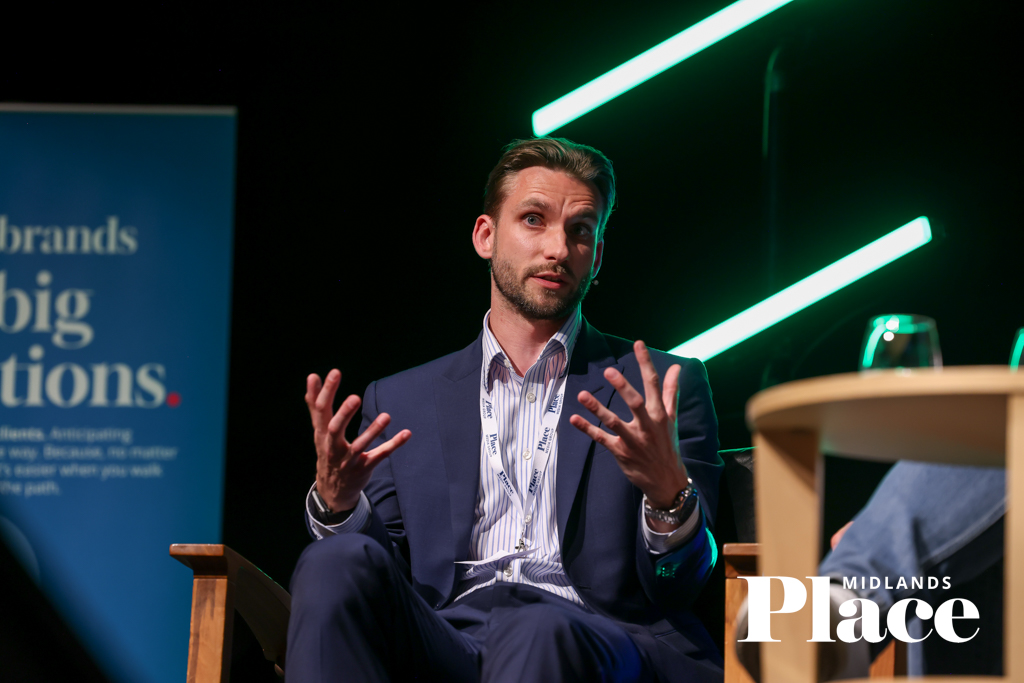
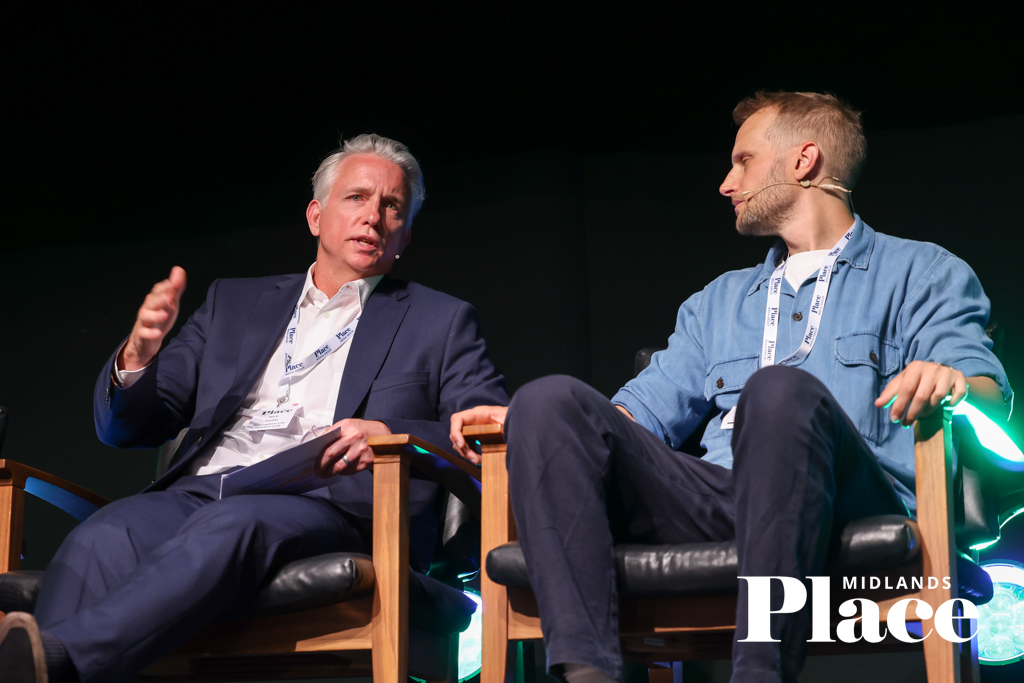
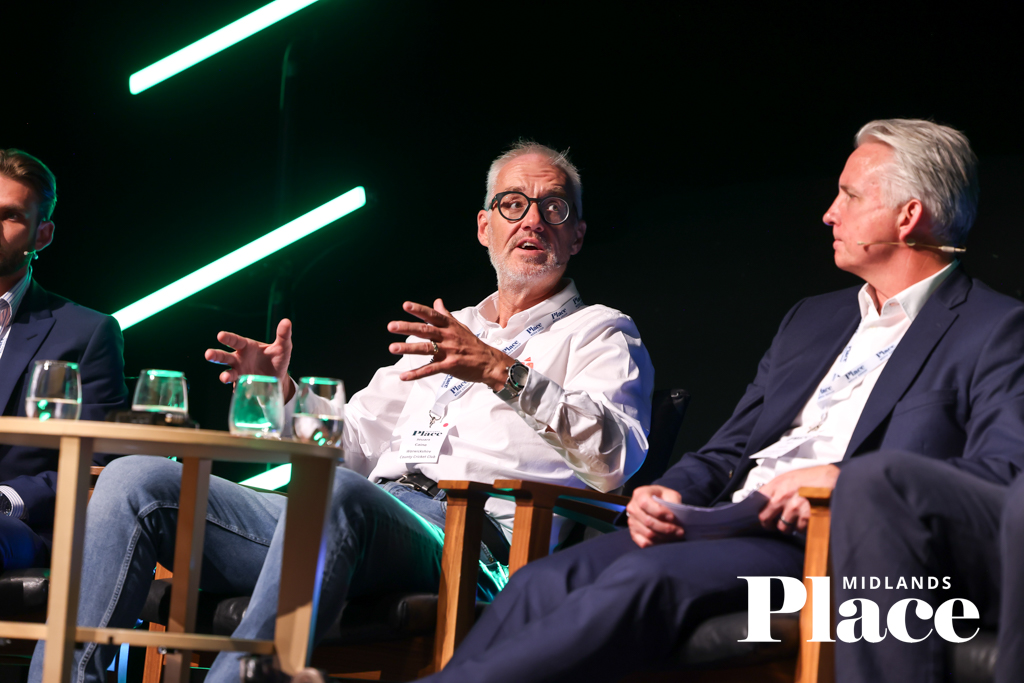
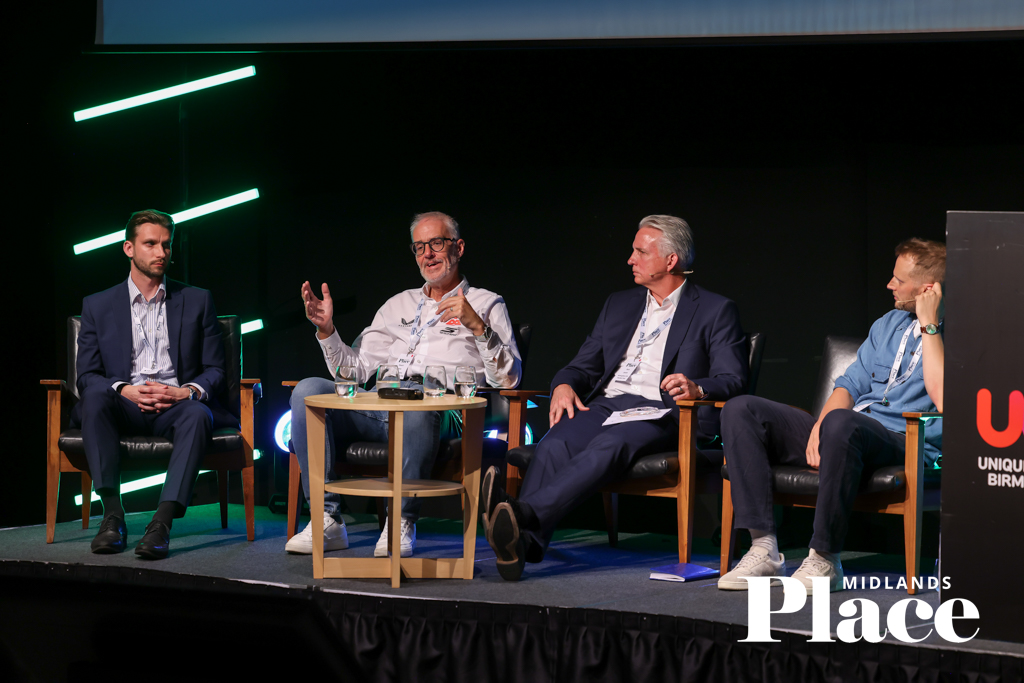
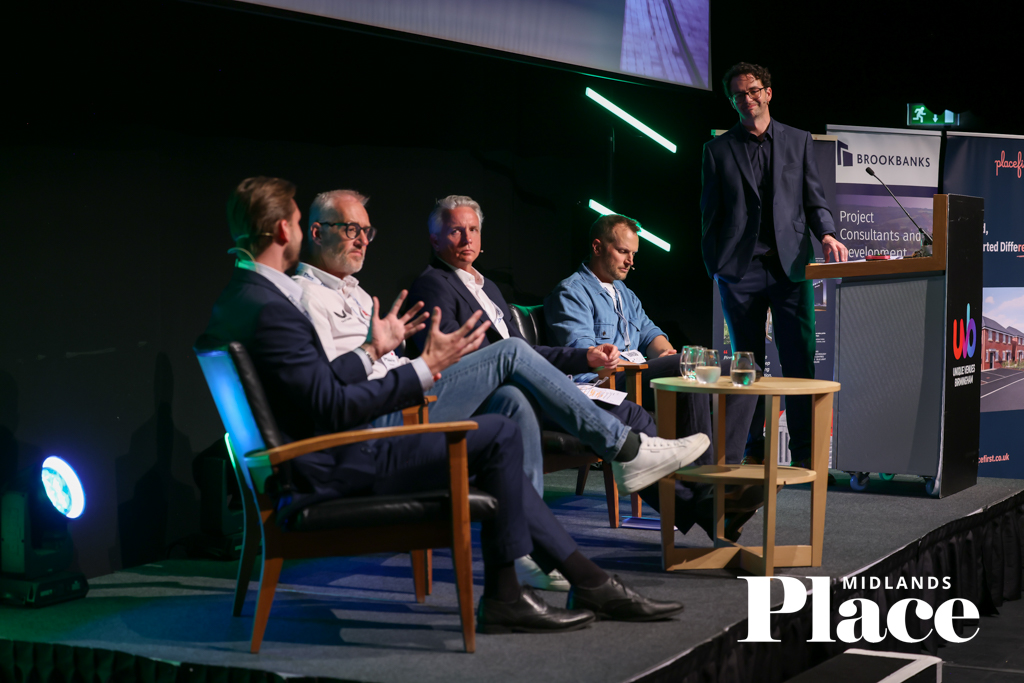
In our final panel of the day, the people behind three of the region’s leading sports regeneration schemes shone a spotlight on how entertainment and culture-backed projects could boost efforts to breathe new life into cities across the Midlands.
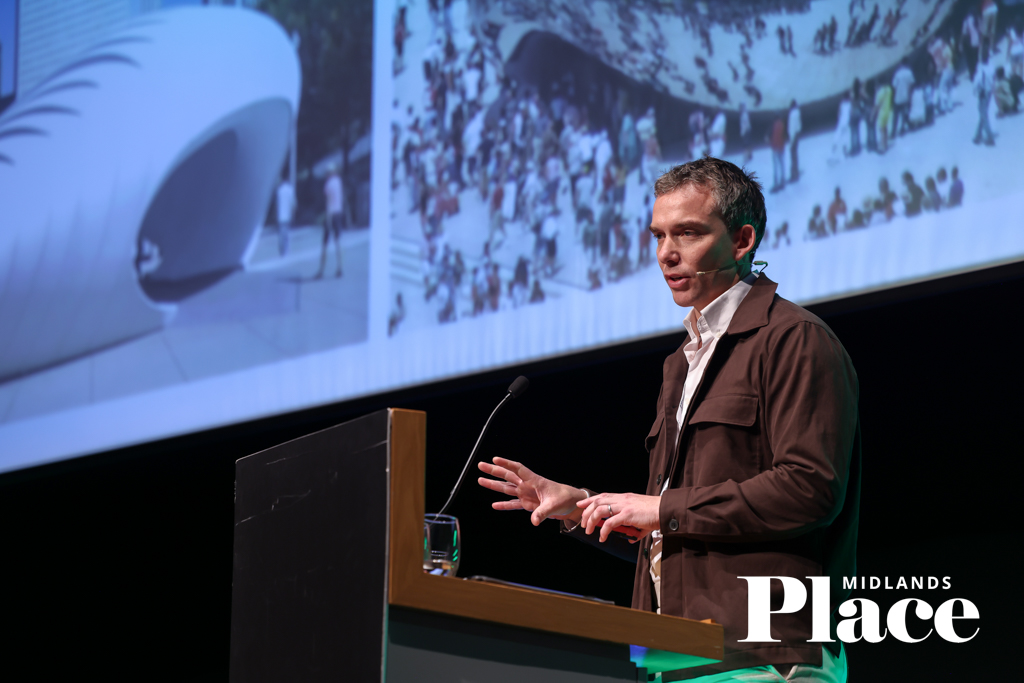
Birmingham City FC’s powerhouse stadium project captured national headlines earlier this year, and a presentation from Heatherwick Studio’s Eliot Postma outlined how the architecture firm had taken a different approach when designing a stadium intended to underpin not just a football and leisure venue, but an entire £2bn Sports Quarter project for the city.
When asked about the club’s ambition for the city, head of infrastructure Nick Smith said the club owed it to Birmingham to deliver the scheme, saying the club wanted to create a “beacon of excellence” that would inspire and support the city’s local communities as well as setting the club up for success on the pitch.
Warwickshire CCC chief executive Stuart Cain spoke about the challenges of turning the much-loved and internationally famous Edgbaston cricket ground into a destination fit for the modern age.
He said the stadium’s ongoing regeneration efforts would move it away from being a “spaceship” venue in the south of the city and towards becoming a “true, mixed-use community destination”.
Gleeds director James Faflik outlined ambitions behind Nottingham’s Trent Sports Village project, which Gleeds is currently masterplanning. He said the scheme, backed by East Midlands Combined County Authority, would be an example of how public-private partnership working could boost a city’s regeneration efforts by using sport as a lever for growth.
Click image to launch gallery