


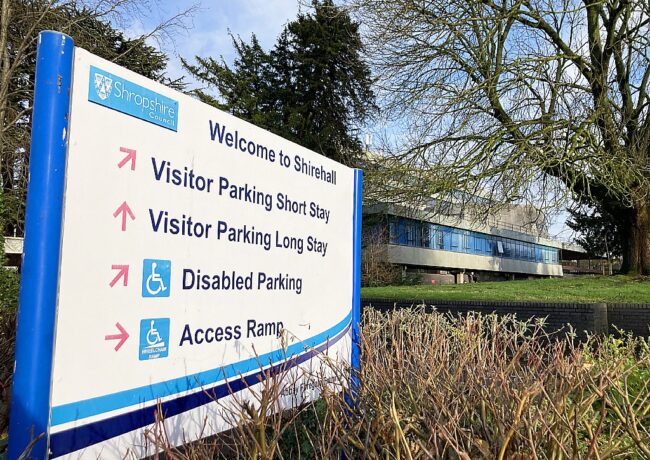
End of the road for ‘modernist icon’ Shrewsbury Shirehall
The vacant former home of Shropshire Council will be demolished to make way for residential redevelopment, after councillors all-but quashed campaigners lingering hopes that the building would be saved.
The authority emptied out the 1960’s-era Shirehall building in Shrewsbury last year after declaring it was too big, and too expensive, for the its post-pandemic requirements – decamping to smaller premises at the Guildhall in the town centre.
A vote held at a meeting of full council this week appears to have sealed its fate, following five years of wrangling over the future of the building.
In 2020, Shropshire Council’s previous Conservative administration said it planned on selling off the site for redevelopment after concluding that the building needed upwards of £25m to repair and modernise it, despite plans for its refurbishment having been put forward as recently as 2017.
Opened in 1967, the Shirehall was described by architecture historian Nikolaus Pevsner as the county’s “major monument to post-war modernism” when it was unveiled, having been designed by county architect Ralph Crowe and constructed at a cost of £1.8m.
The building was placed on the twentieth century society’s top 10 buildings at risk in 2021, around a year after English Heritage decided the building did not meet the criteria for listing.
Arguably the county’s only major modernist structure outside Telford, hopes that the building could be saved were raised briefly by the incoming Liberal Democrat administration after they took control in May and announced a full review of the future of Shirehall.
Among the options under consideration was a plan to save the striking Portland-stone clad council chamber which sits in front of the main administrative building.
But that review concluded this month with the current council also having decided it does not have the funds to retain the building in part or as a whole, with the authority staring down the barrel of a £50m overspend for the current year which threatens to dwarf its dwindling reserves.
According to a report submitted to full council this month, the empty building currently costs around £500,000 per year to maintain.
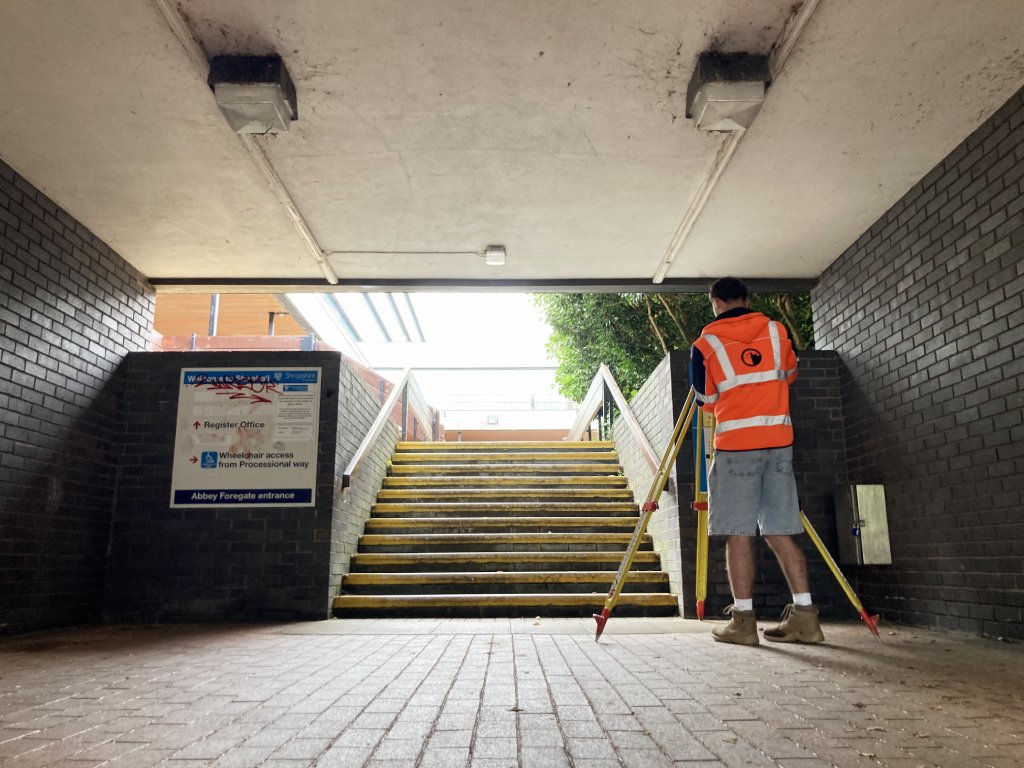
Shirehall in Shrewsbury is set to make way for a mixed-use redevelopment scheme. Credit: Place Midlands
The council now intends to seek outline planning consent for a mixed-use scheme for the 10-acre site, which could include extra care facilities, two new NHS-backed medical centres, residential accommodation, and commercial space.
Shropshire Council says it is working with architect Faulkner Browns to develop a masterplan for the site ahead of a planning application being submitted.
In its report, the council added that it intends to re-apply to English Heritage to ensure the building remains immune from listing while plans are being drawn up for the site.
The Shrewsbury Civic Society, who had mounted a campaign to save the building, described the decision as a “gross disservice to the county’s post war heritage”, and vowed to fight on despite the council vote.
“We were promised a full reassessment of the decision, but have been served the same dish, reheated, containing the same spurious arguments about the characteristics and glaring omissions like the huge cost of demolishing it,” fumed society spokesperson Martina Chamberlain.
“Meanwhile, the council admits it is being rushed through for fear that Shirehall may be listed. In other words, it is fully aware of the heritage value of the building it proposes sending to landfill.”
Cllr Roger Evans, Shropshire Council’s Cabinet member for finance, described the decision as a “difficult” but necessary measure, as the authority seeks to balance its books in order to avoid a dreaded section 114 notice from government, which would effectively declare the organisation bankrupt.
“We have looked at every option and are confident that this recommendation offers the greatest benefit to our residents and the council’s finances,” he said.
“Our priority is to secure the least-cost, highest-value outcome for taxpayers and we feel that this option does just that.”