


Viability a challenge, but Midlands ‘well placed’ to take on hurdles
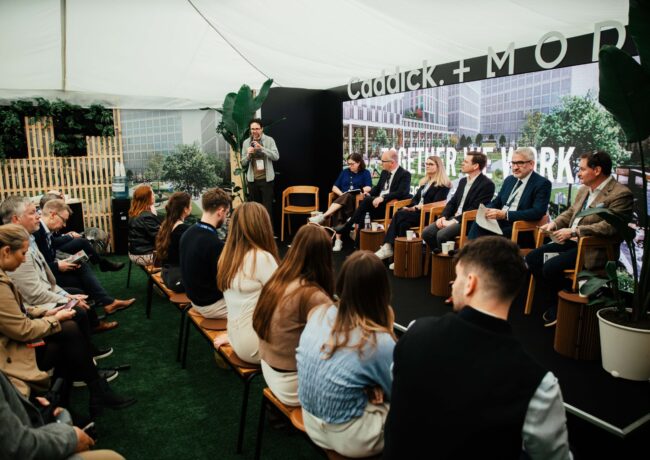
Strong public-private partnerships could provide the key to ensuring the Midlands remains well-placed for viability, according to industry experts who gathered for a discussion hosted by Caddick Construction and Moda Living at UKREiiF this week.
Infrastructure investment, economic uncertainty and public-private collaboration all dominated a lively panel on the future of regional regeneration in the Midlands.
Panelists
- Sarah Gregory, director in the development team at Savills
- Huw Edwards, director of stations and placemaking, HS2 Ltd
- Ray O’Sullivan, midlands regional managing director, Caddick Construction
- Lydia Rusling, director of place and prosperity, Melton Borough Council
- Guy Hurwood, chief operating officer, Moda Living
- Rob Lamond, head of strategy and analysis for housing, property and regeneration, West Midlands Combined Authority
Infrastructure is a game-changer for the region
Speaking less than 24 hours after transport secretary Heidi Alexander had announced an updated timetable for the project, HS2’s director of stations and placemaking, Huw Edwards described the arrival of HS2 at Curzon Street as a transformational moment for the West Midlands – rejecting suggestions the scheme was merely a “once in a generation” opportunity.
“It’s genuinely once in a lifetime. You will not see this type of investment in a transport project in the West Midlands again in your lifetime,” he said.
Edwards pointed to forecasts suggesting HS2 could generate more than £10bn in economic benefit for the region alongside more than 30,000 new homes and 40,000 jobs – adding that collaboration between the public and private sectors would be critical to unlocking growth around the high-speed rail corridor.
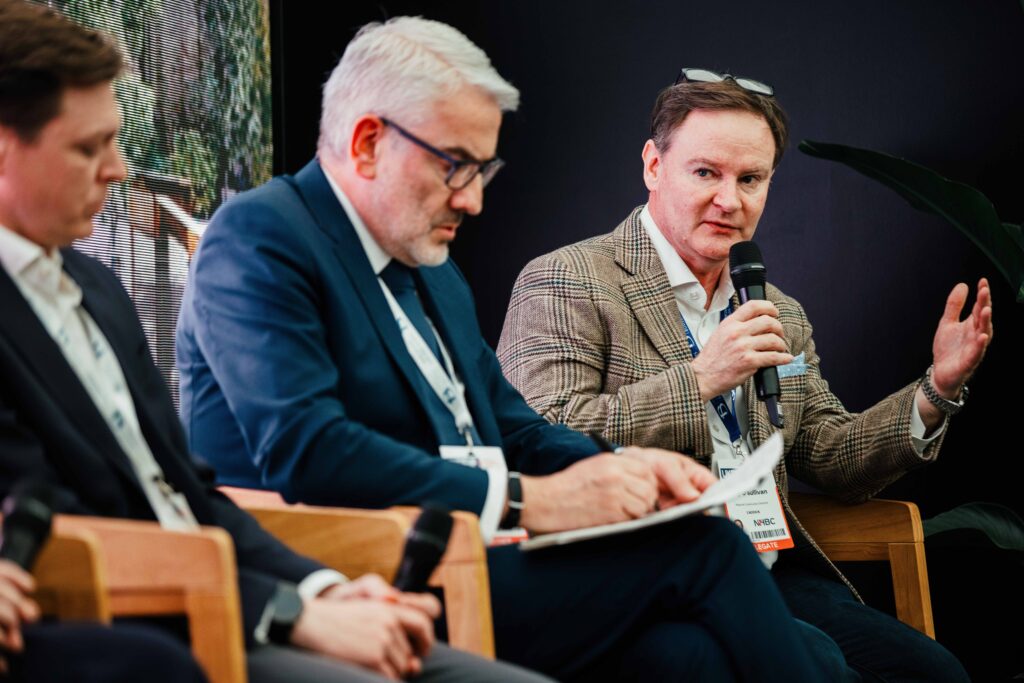
Ray O’Sullivan, midlands regional managing director at Caddick Construction. Credit: Caddick/Moda
Global uncertainty is weighing heavily on viability
However, speakers from private sector firms warned that macroeconomic and geopolitical instability continues to place significant pressure on delivery and investor confidence in the meantime.
Ray O’Sullivan, midlands regional managing director at Caddick Construction, said the industry had entered 2026 in a relatively optimistic position before a series of global and political shocks disrupted confidence. “When there’s instability, or there’s no plan, or when the plan changes – that leads to huge, huge uncertainty,” he said, pointing to inflation, political instability and global tensions as factors continuing to challenge viability across the private sector.
Despite this, Guy Hurwood, chief operating officer of Moda Living said developers could not afford to wait for ideal market conditions before moving ahead with schemes. While acknowledging ongoing geopolitical and economic turbulence, he said the business retained “absolute conviction” in the long-term fundamentals underpinning UK housing demand and the Midlands growth story, particularly around HS2.
“If you’re waiting for that window in that five-year cycle where everything’s going to get aligned… you’ll miss it,” he said, arguing that stronger partnerships between developers, investors and the public sector were now more important than ever in bringing projects forward.
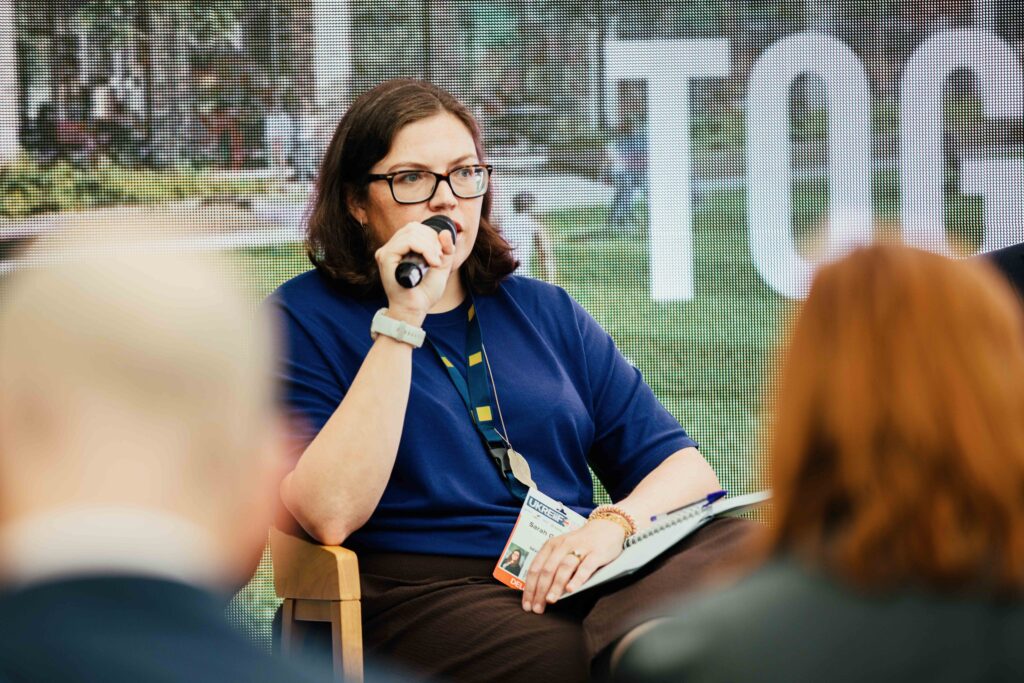
Sarah Gregory, director in the development team at Savills. Credit: Caddick/Moda
Long term partnerships and collaboration are key to solving viability challenges
Looking to the future, panellists argued the Midlands remained well placed to weather those challenges because of the strength of relationships between developers, councils and regional authorities.
Sarah Gregory, director in the development team at Savills, said proactive local authorities across the Midlands were increasingly engaging with developers early in the planning process, helping schemes evolve collaboratively rather than reactively. “The more you can do up front and have that dialogue and get them on board, the easier it is,” she said.
Meanwhile, Lydia Rusling, director of place and prosperity at Melton Borough Council, echoed a public-sector commitment to working with developers to solve viability challenges – adding that the Midlands’ connectivity and collaborative approach continued to make the region internationally competitive for investment.
“Everywhere in the UK faces these challenges, everywhere, we’re seeing rising costs, we’re seeing viability challenges. But we can really champion the Midlands… we’re centrally located, we’ve got that investment in the railways, and in the infrastructure, and we’re well connected on the roads network.”
That emphasis on long-term partnership was echoed by Rob Lamond, head of strategy and analysis for housing, property and regeneration at West Midlands Combined Authority, who said combined authorities had an important role in providing certainty and consistency for investors beyond short-term political cycles. “We’re not just thinking short term, we’re thinking long term and we want to provide reassurance around that,” he said.
The panel reinforced a clear message from UKREiiF. While the Midlands continues to offer some of the UK’s strongest long-term regeneration and investment fundamentals, delivery will increasingly be defined by how well public and private partners can work together to turn ambition into viable, fundable and buildable schemes on the ground.
Click any image to launch gallery
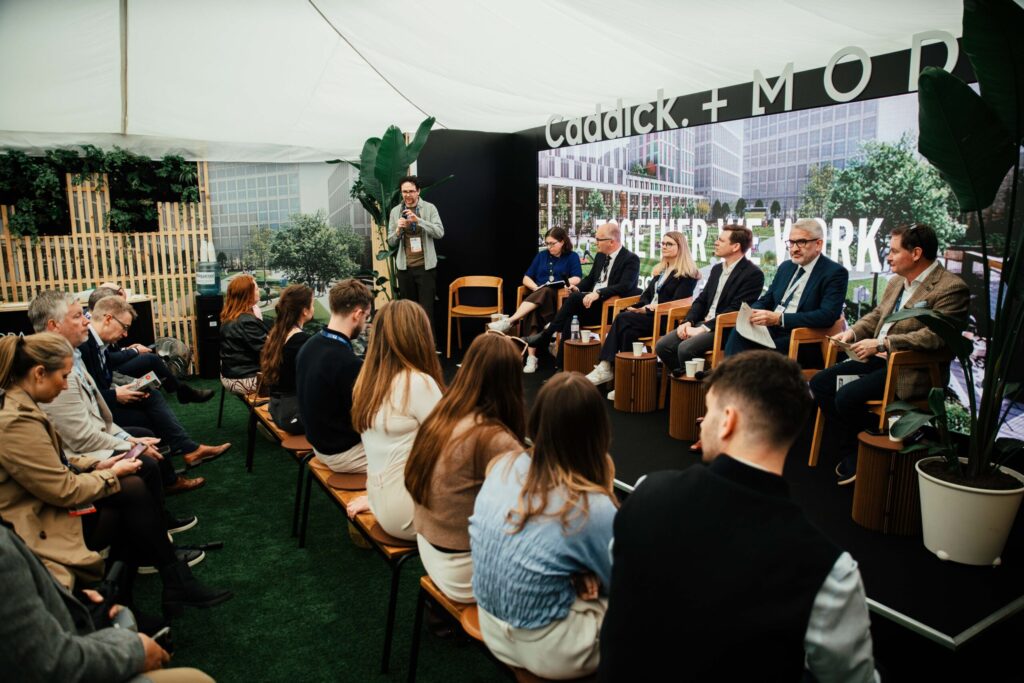
- The Midlands viability discussion panel at UKREiiF. Credit: Caddick/Moda
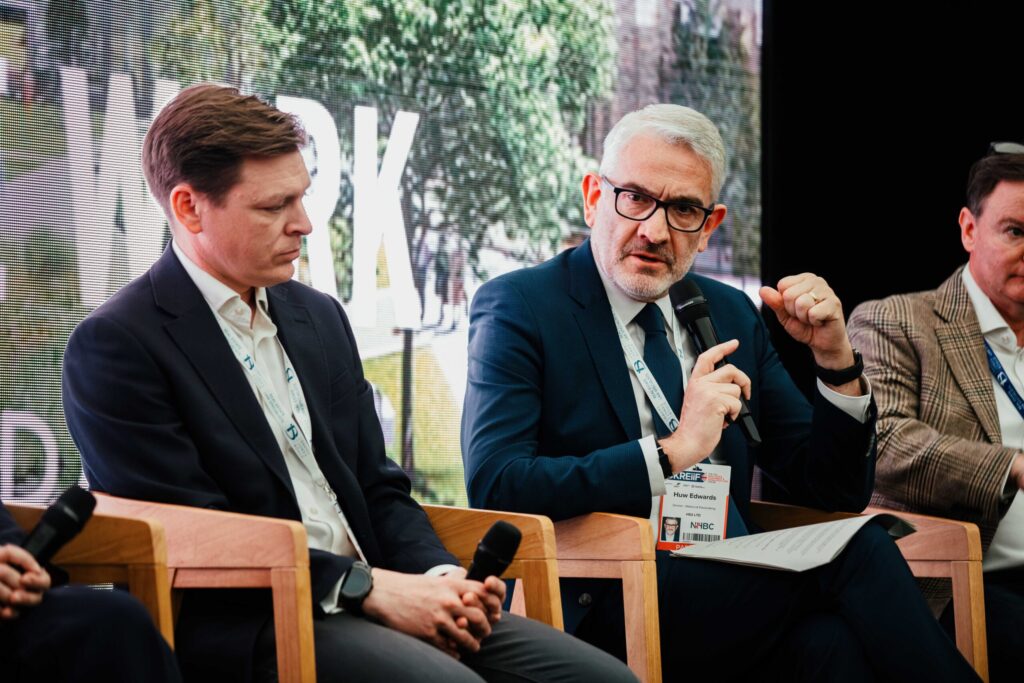
- Guy Hurwood and Huw Edwards. Credit: Caddick/Moda
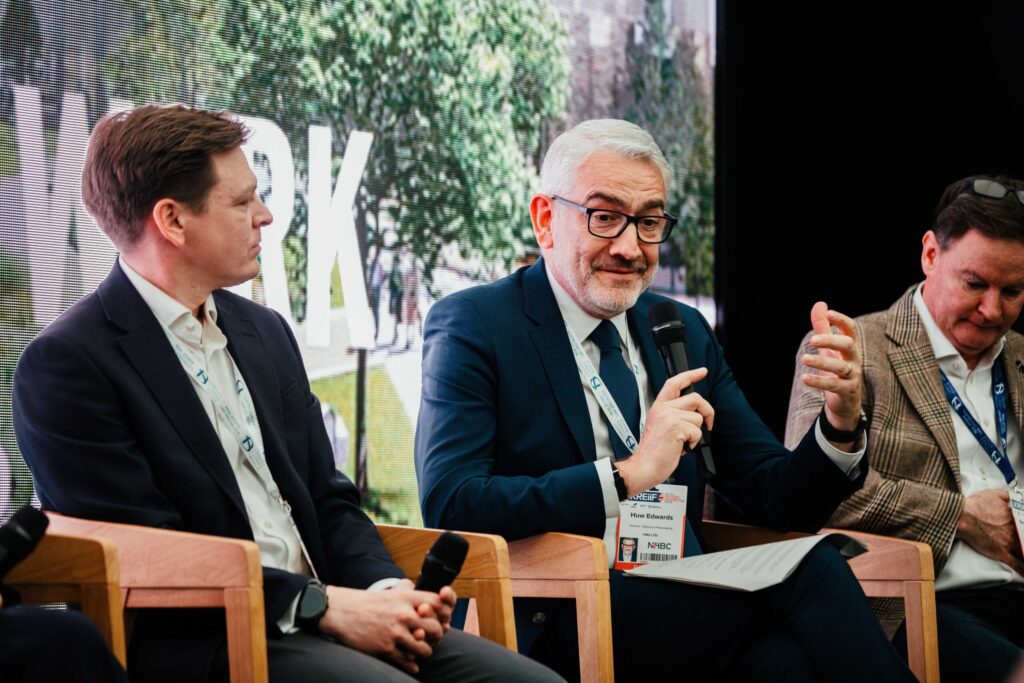
- Huw Edwards, director of stations and placemaking, HS2. Credit: Caddick/Moda
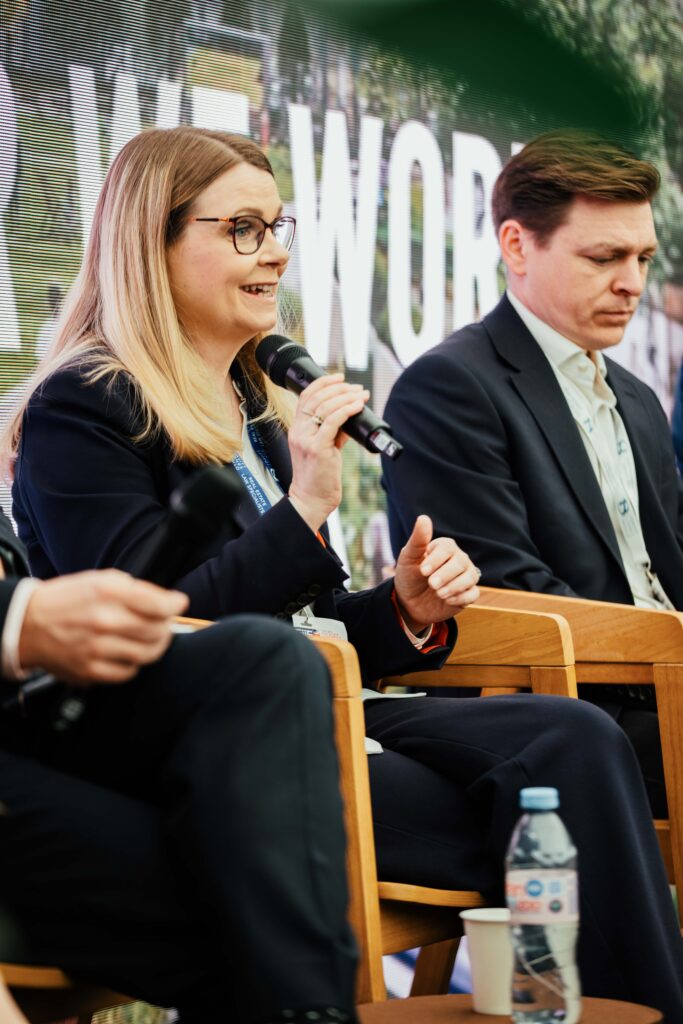
- Lydia Rusling, Melton Borough Council. Credit: Caddick/Moda
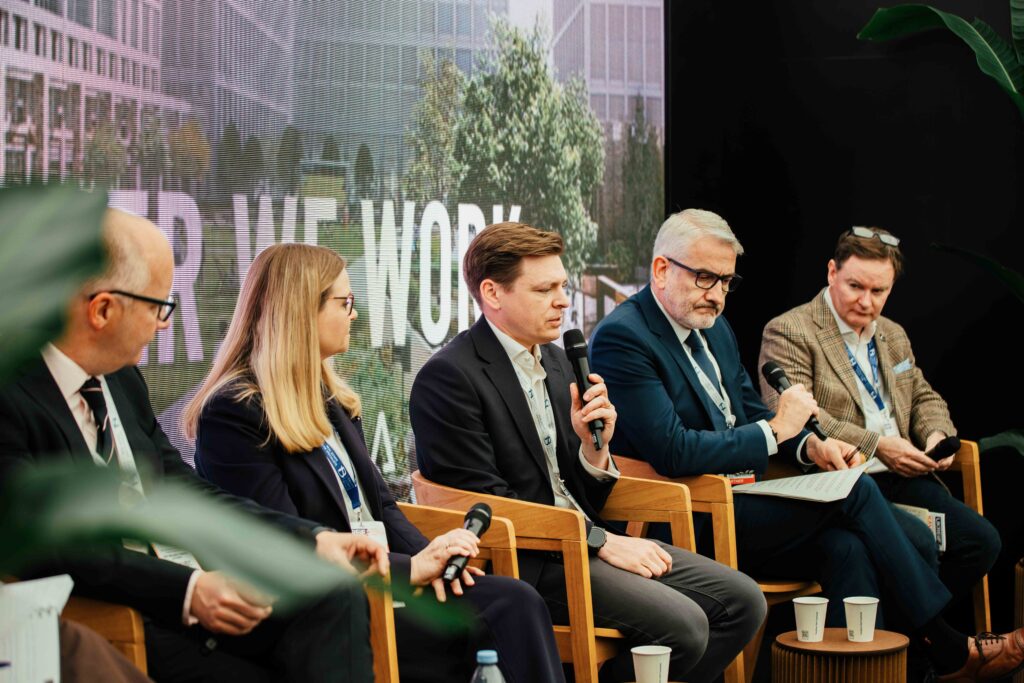
- Guy Hurwood, chief operating officer, Moda Living. Credit: Caddick/Moda
- Sarah Gregory, director in the development team at Savills. Credit: Caddick/Moda
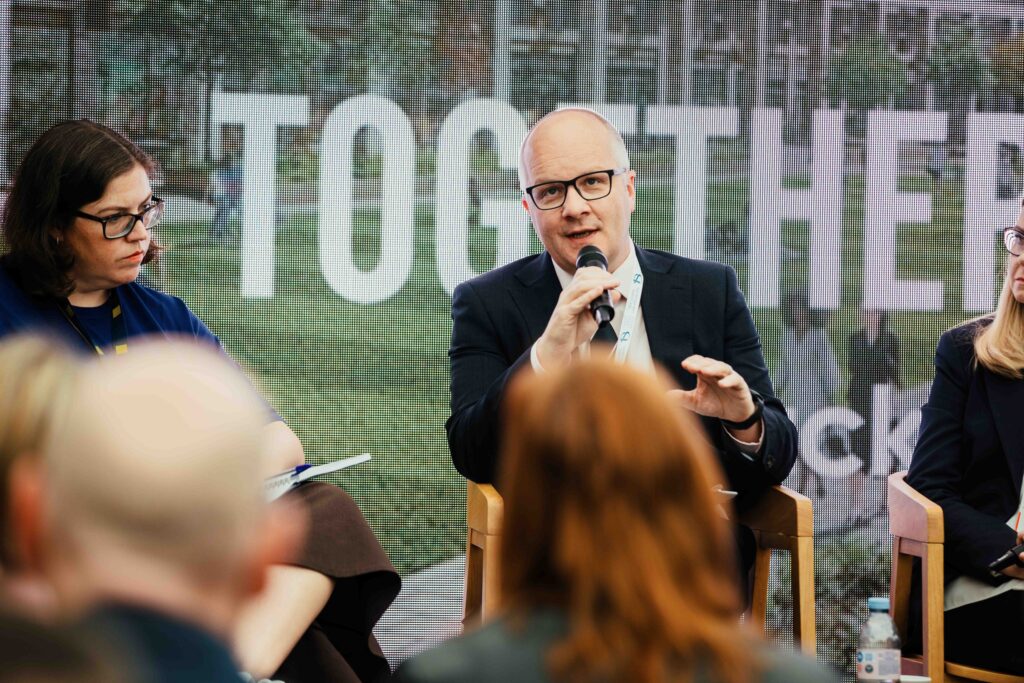
- Rob Lamond, West Midlands Combined Authority. Credit: Caddick/Moda
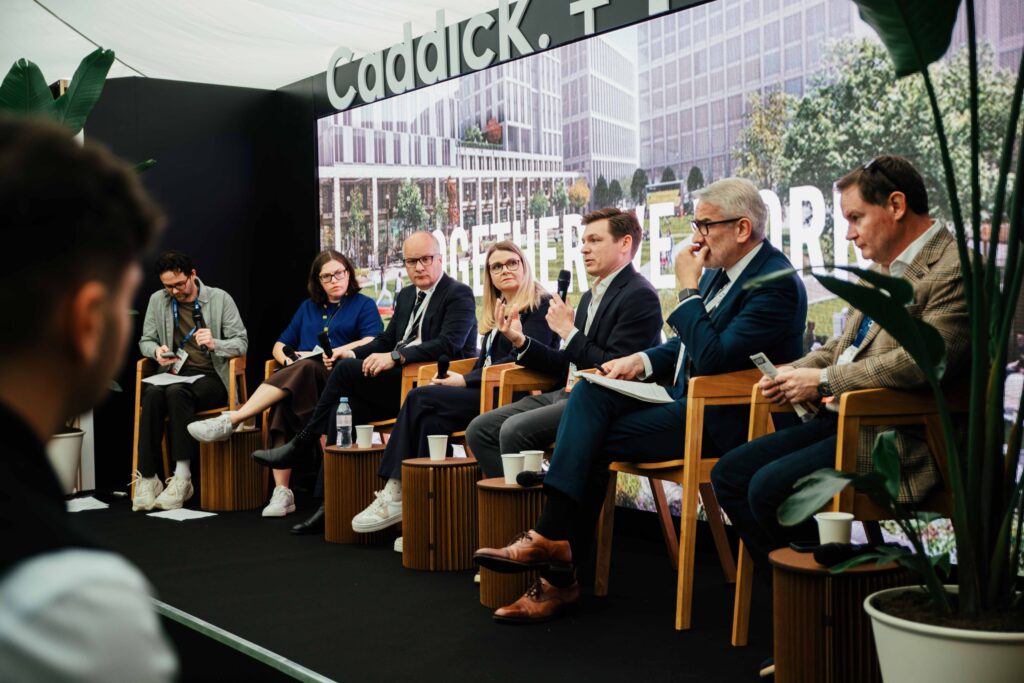
- The Midlands viability discussion panel mid-discussion at UKREiiF. Credit: Caddick/Moda
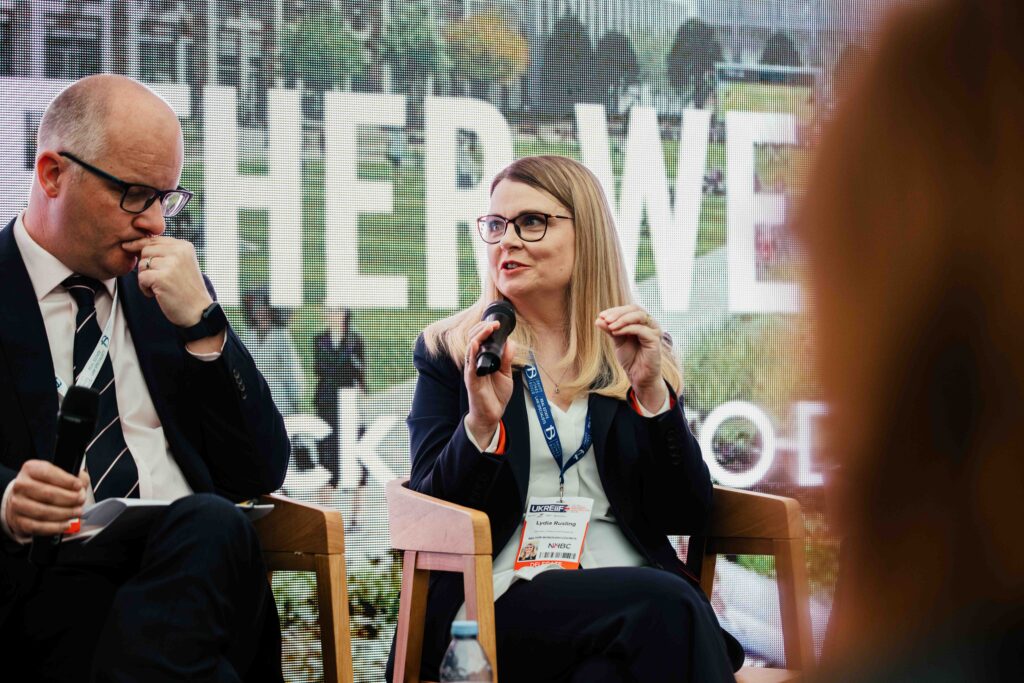
- Lydia Rusling, Melton Borough Council. Credit: Caddick/Moda
- Ray O’Sullivan, midlands regional managing director at Caddick Construction. Credit: Caddick/Moda
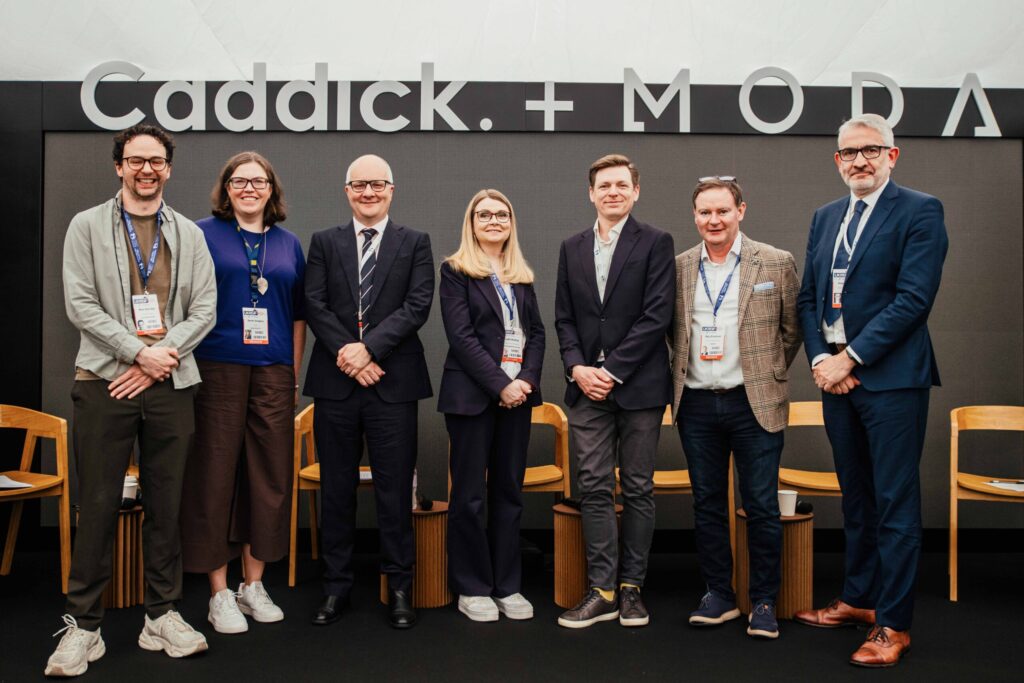
- The Midlands viability discussion panel at UKREiiF. Credit: Caddick/Moda